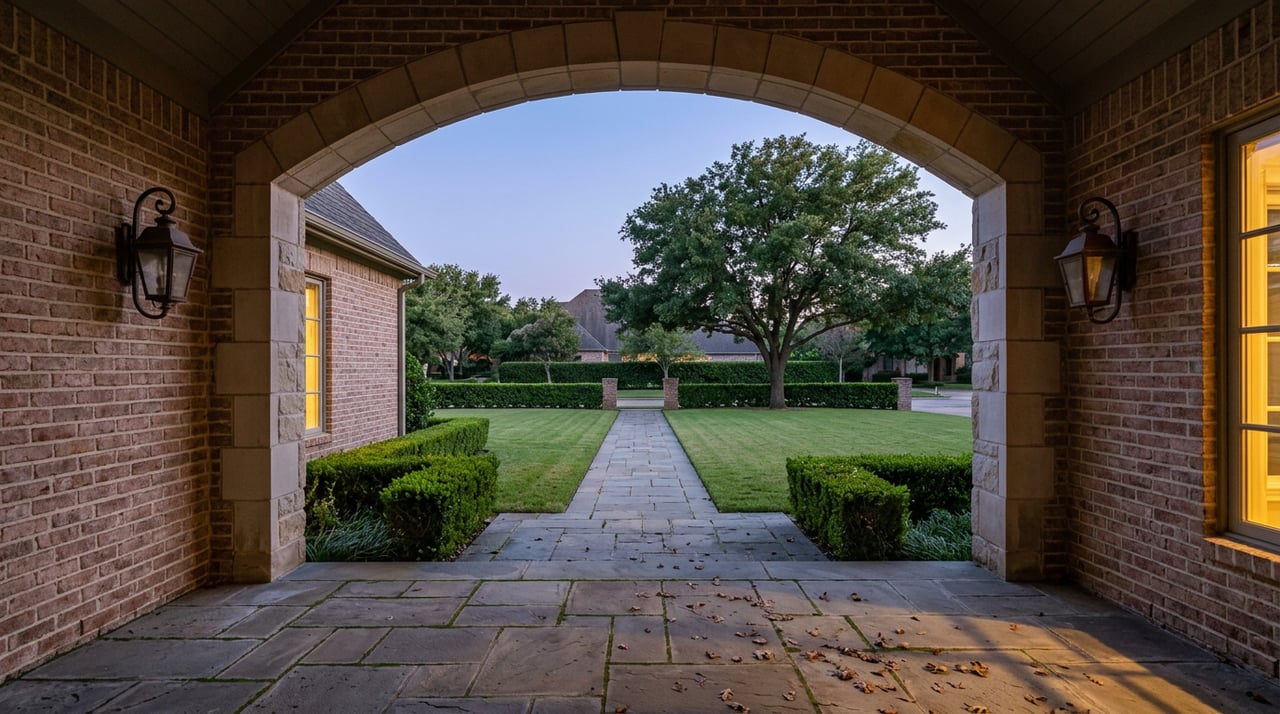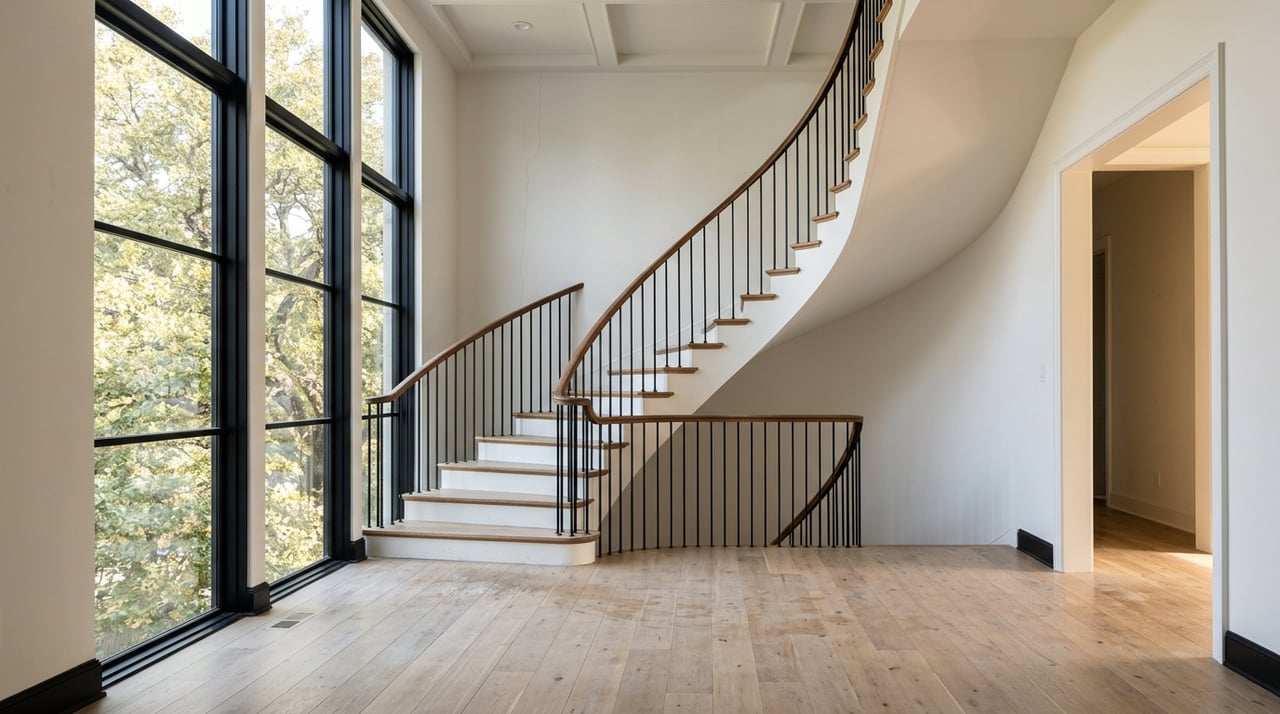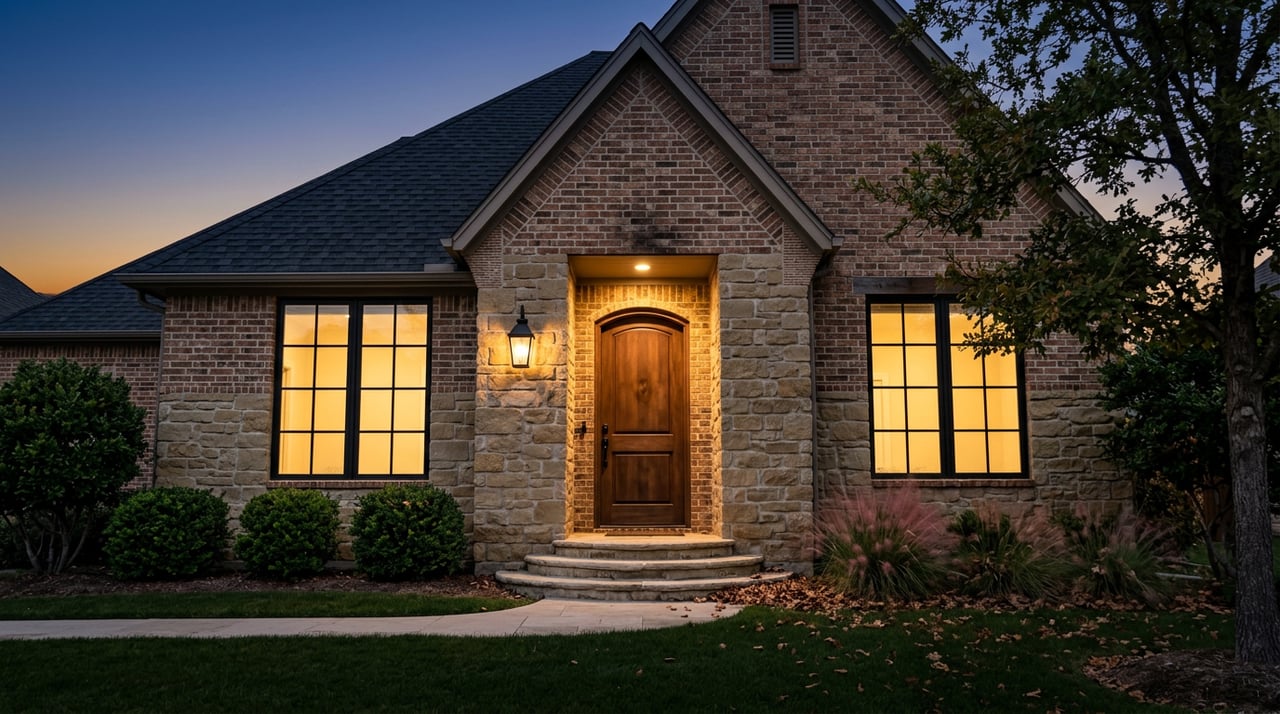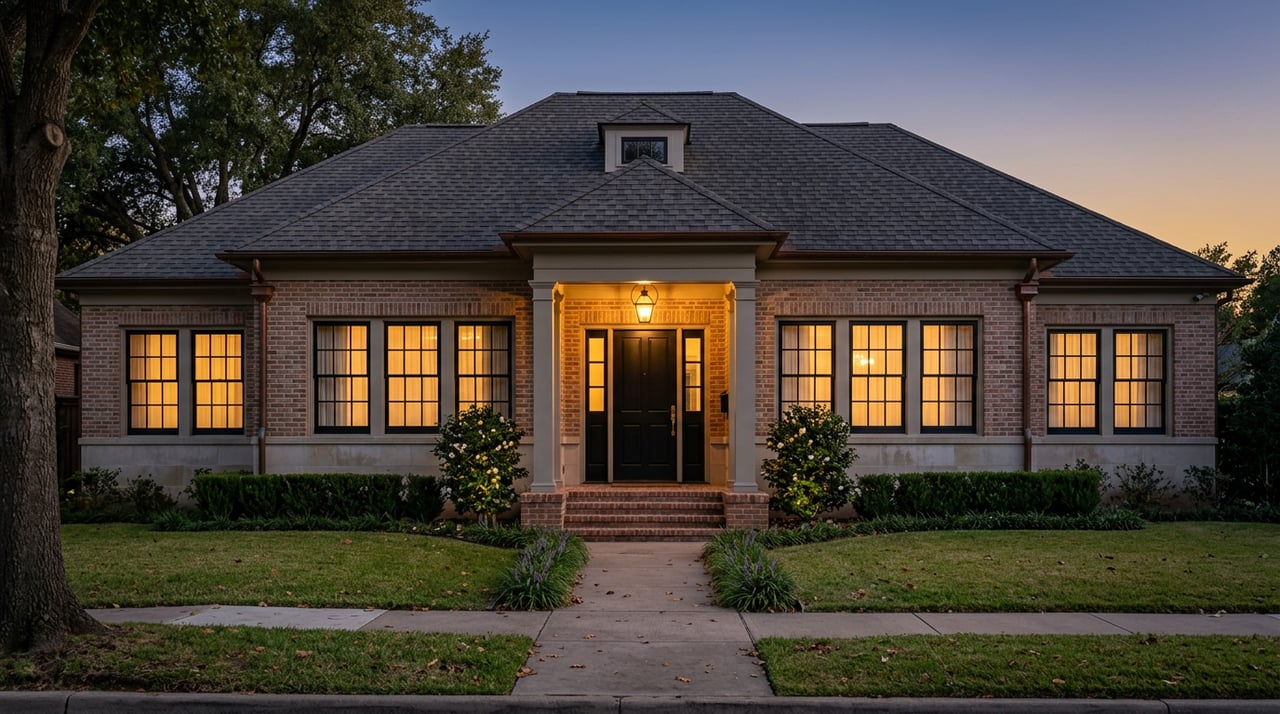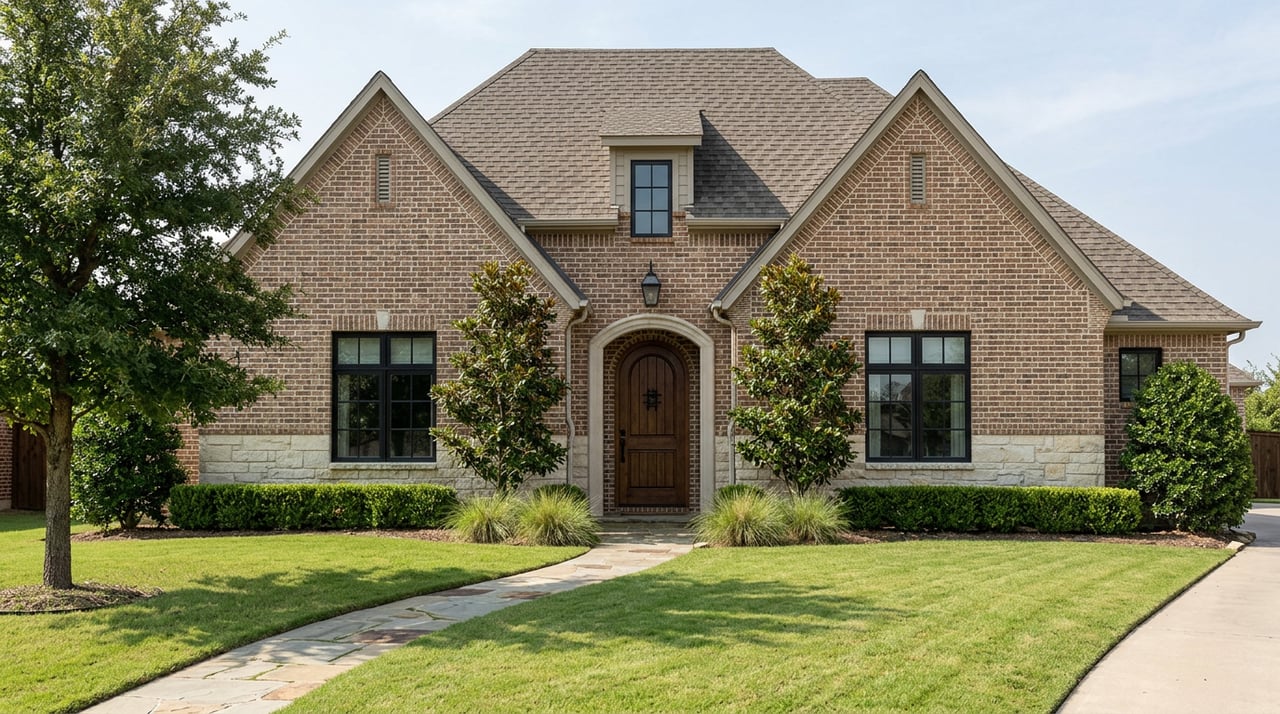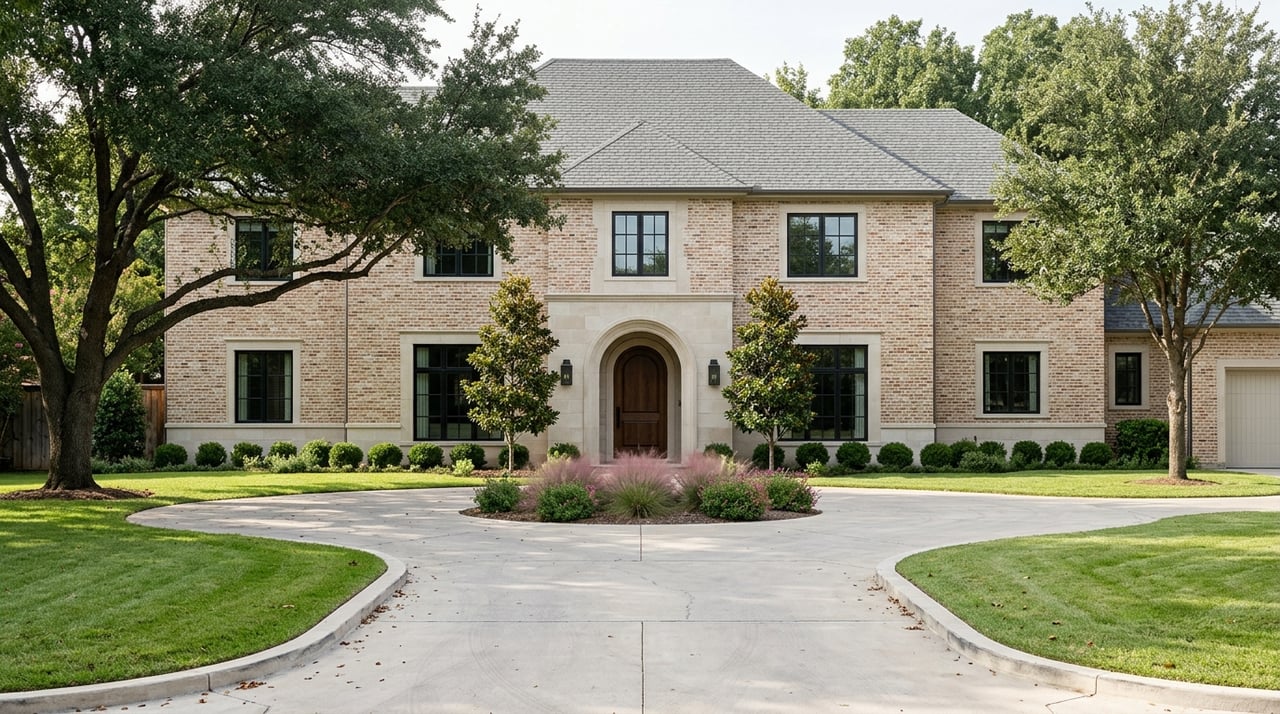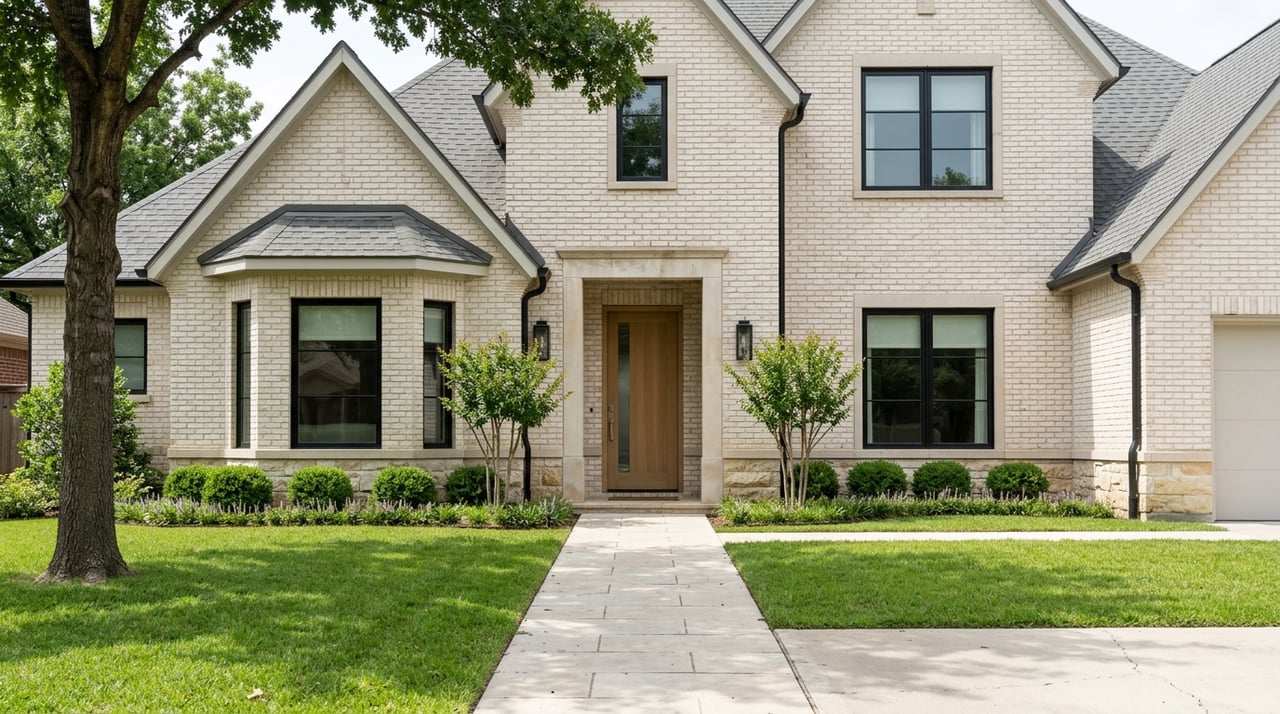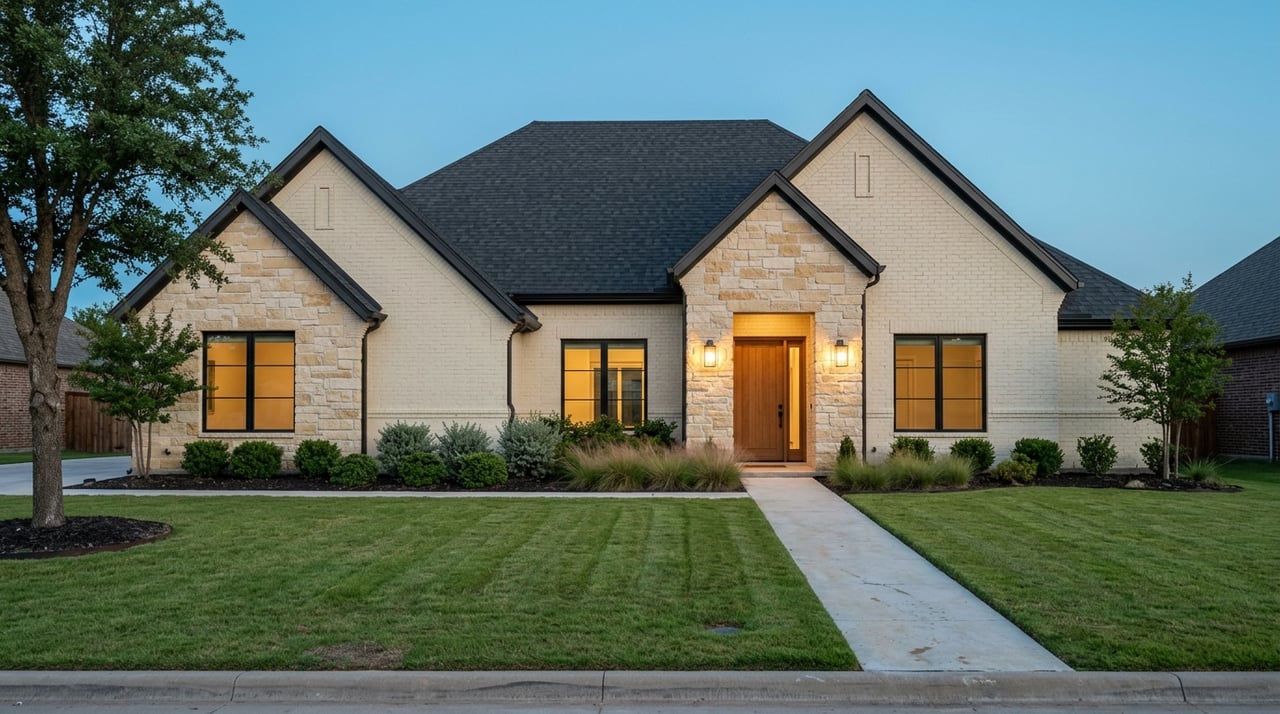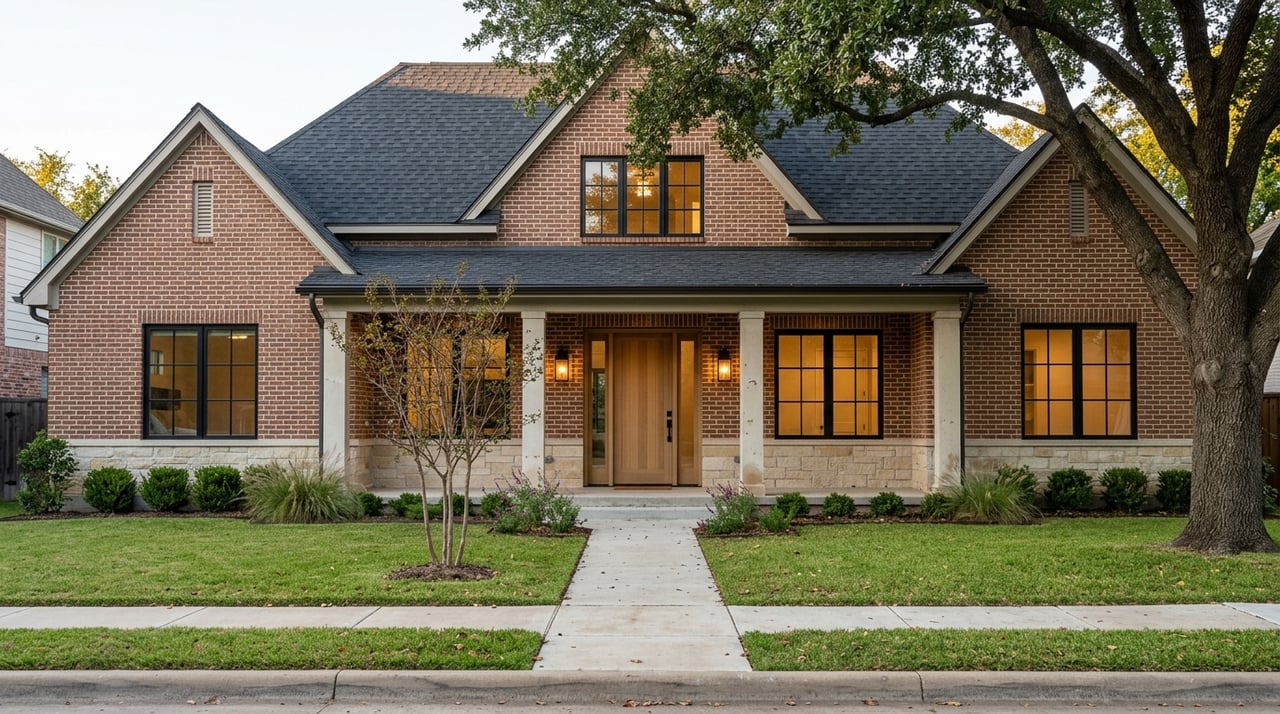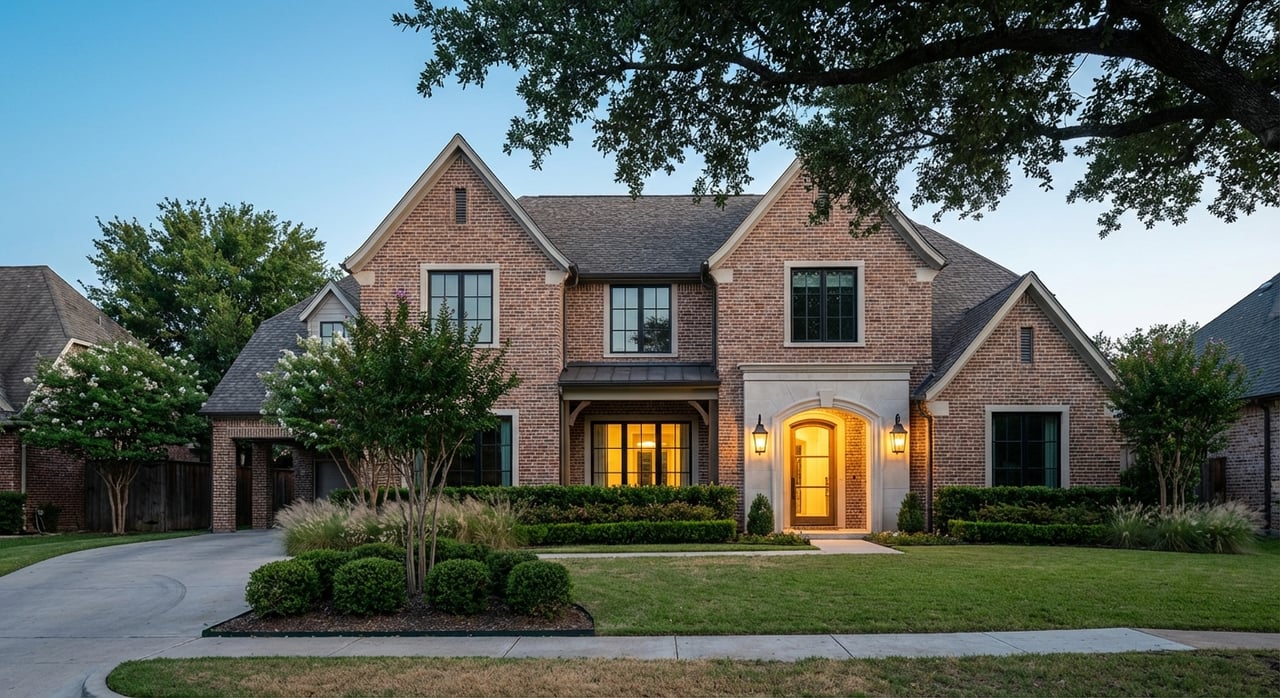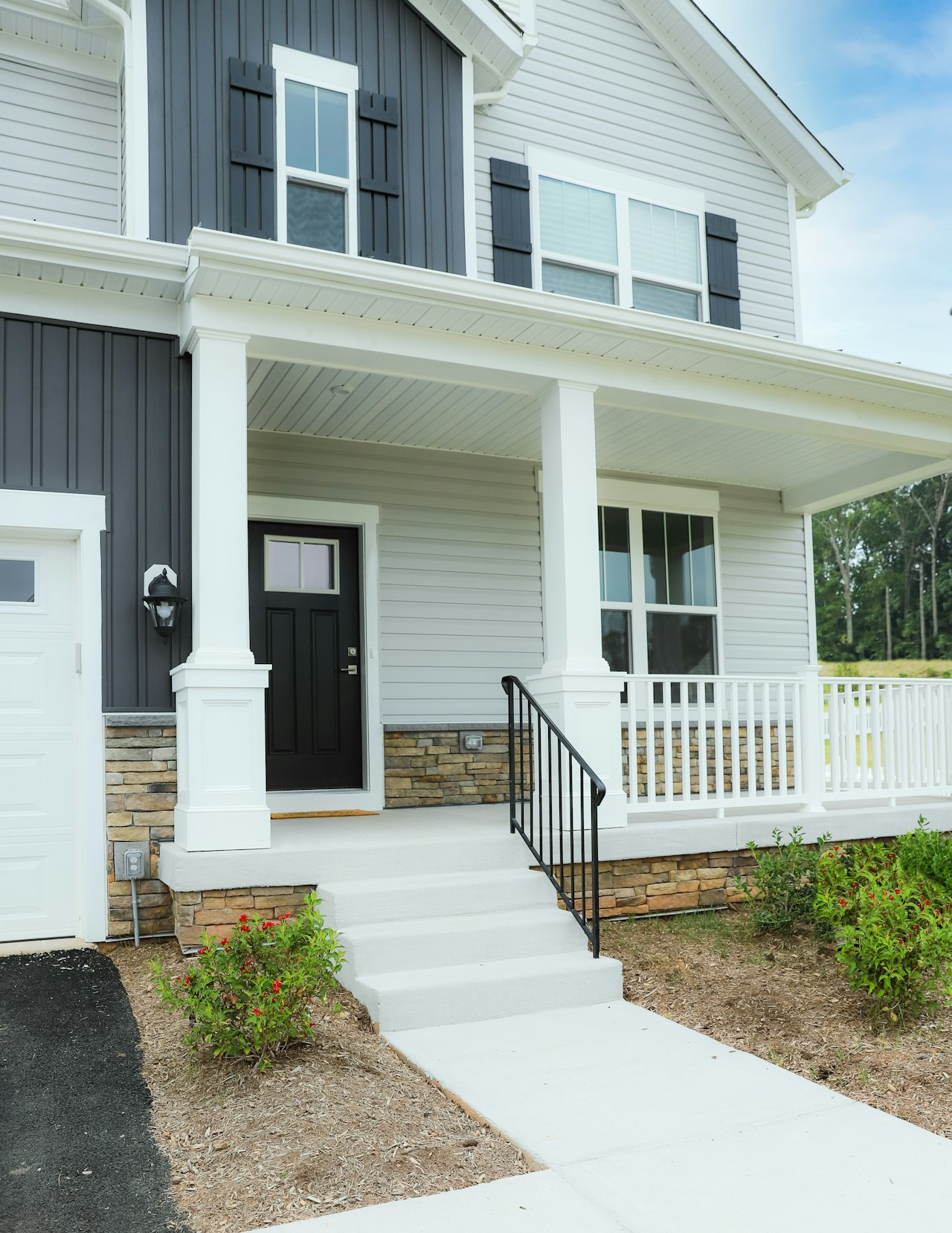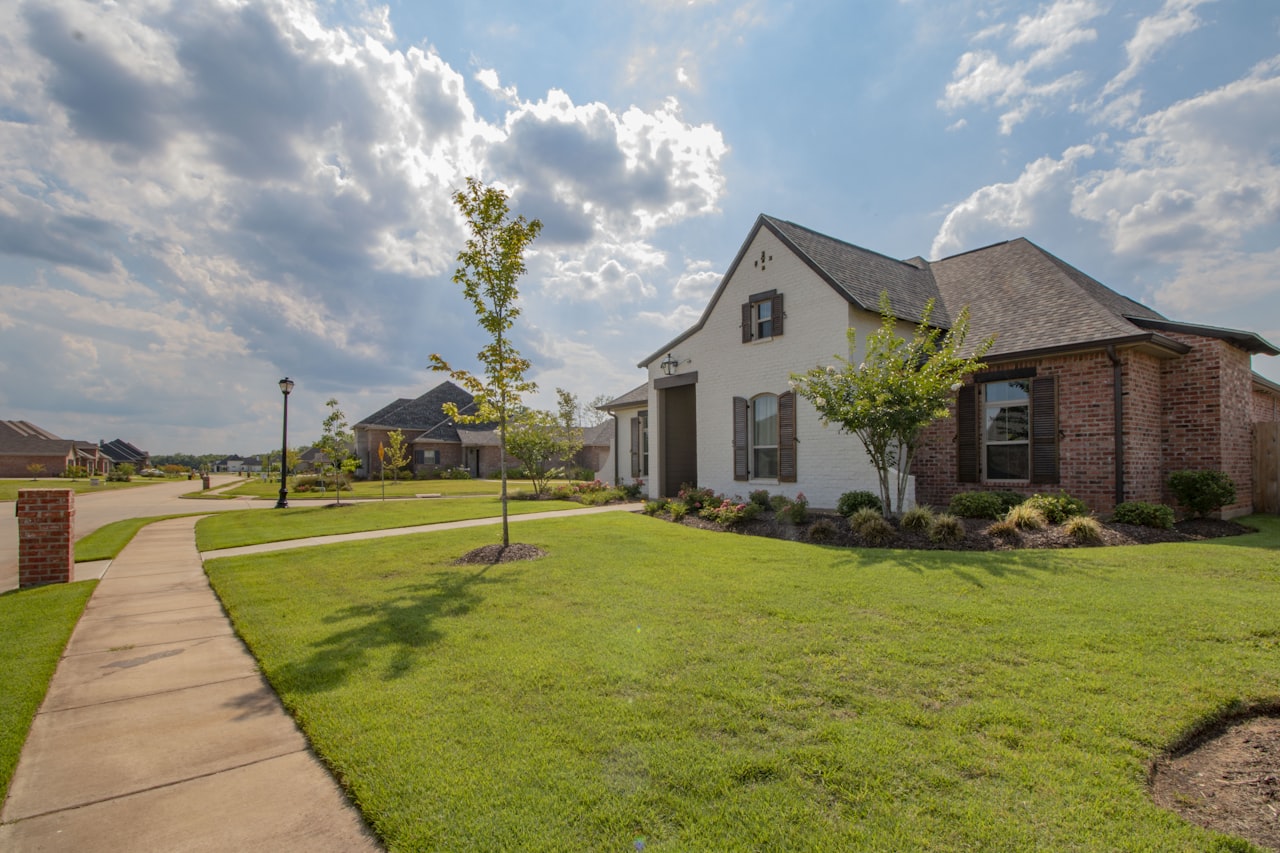
A seller in Timarron had the piers put in back in 2019. Six years, a fresh coat of paint, and a landscaping refresh later, the floors are level, the doors close the way they should, and the seller is getting ready to list. The question that comes up in nearly every listing consultation in this part of Tarrant County is some version of the same thing: since it's fixed, do I still have to say anything?
The answer is yes, and the reason matters more than the yes-or-no itself. In Southlake and Keller, where a large share of the resale inventory sits on expansive clay soil that swells and shrinks with the seasons, the real risk to a seller was never that the foundation moved. Almost every house of a certain age in this market has moved at some point. The risk is what happens when a seller treats a stable, already-repaired foundation as a closed chapter instead of a fact the form still asks about.
Every Neighborhood Here Sits on the Same Ground
Southlake and Keller share a geology that predates the subdivisions built on top of it. Most of North Tarrant County sits on the Fort Worth Prairie and Grand Prairie ecoregions, where Vertisol clay soils expand when they take on moisture and contract during dry stretches, a cycle that repeats every year regardless of how well a house was built or how recently. Established neighborhoods like Timarron, developed mostly between 1992 and 2007, and Timber Lake, built out in the late 1990s and early 2000s, went up before some of today's post-tension slab standards were in wide use. Local real estate guidance for the area points to foundation settling from clay soil movement as a common finding in Chapel Downs, Whispering Dell Estates, and Myers Meadow, along with foundation movement near Shady Oaks and drainage issues in South Ridge Lakes. Stair-step cracks in brick mortar are one of the most frequently cited visible warning signs across Southlake homes generally.
None of that makes these neighborhoods a bad bet. It makes foundation movement an ordinary condition of owning a home here, the same way needing a new roof eventually is ordinary. Even homes built to modern post-tension standards can exceed the slab's tolerance during a severe drought year, and larger custom homes on bigger footprints have more surface area where differential movement can show up. The practical result is that a buyer's inspector is very likely to find some evidence of past or present foundation activity, whether that's a hairline crack, a slightly out-of-level floor, or an old drainage fix. The seller's job is not to prevent that discovery. It's to make sure the paperwork already agrees with what the inspector is about to see.
What "Already Fixed" Does Not Mean on the Form
The Texas Seller's Disclosure Notice, required under Property Code Section 5.008 for most previously occupied single-family sales, asks a direct yes-no-unknown question about foundation repairs. There's no separate box for "yes, but it's resolved." A foundation that was repaired in 2019 and has been stable ever since still gets a yes, along with who did the work, when, what was done, and whether there's a transferable warranty.
Leaving the section blank is not the same as marking it unknown, and Texas courts have been consistent on this point: unknown is a legitimate answer when a seller genuinely doesn't know something, not a way to sidestep a fact they do know. A seller who lived in a house for years with a documented pier installation and checks "no" isn't making a paperwork error. That's the exact scenario the Deceptive Trade Practices Act was built to catch, and DTPA claims can carry damages up to three times the actual repair cost plus the buyer's attorney fees. The clock on those claims doesn't start at closing either. It starts whenever the buyer discovers the problem, which can be years down the road.
The Math Sellers Get Backwards
Here's the part that surprises most sellers once they see it laid out. Disclosing a known, already-repaired foundation issue typically costs very little at the negotiating table. Buyers in this price range expect some history in a fifteen or twenty-year-old house, and a documented repair with a transferable warranty often reads as reassurance rather than a red flag. It might shave a modest amount off an offer, or it might not move the number at all if the documentation is clean.
Concealing the same fact and having it surface later is a different order of cost. Foundation repair in North Tarrant County typically runs $7,000 to $30,000 or more depending on the type of piers and the scope of the work, and larger custom homes can push toward the higher end of that range or beyond given the size of the slab and the number of piers required. A treble-damages claim on a mid-size repair, plus legal fees on both sides, can turn a five-figure disclosure conversation into a genuine financial event. The seller in Timarron who discloses the 2019 repair is negotiating from a position of strength. The seller who doesn't is betting that nobody ever finds out, on a soil type specifically known for producing visible evidence over time.
| Scope | Typical cost range | What drives it up |
|---|---|---|
| Typical Southlake foundation project | $5,000 to $10,000 | Number of piers, access difficulty |
| North Tarrant County resale homes generally | $7,000 to $30,000+ | Pier type, extent of movement |
| Larger custom homes and estate lots | $8,000 to $30,000+ | Slab size, severity, number of piers |
Insurance Will Not Cover the Gap
Sellers sometimes assume a buyer's homeowner's insurance will absorb any foundation surprise that turns up after closing. It won't. Standard Texas homeowner's policies explicitly exclude foundation movement caused by normal soil expansion and contraction under an "earth movement" provision. The one narrow exception is a sudden, accidental event, like a plumbing leak under the slab that then causes structural damage, and even then the underlying plumbing repair usually isn't covered, only the resulting structural fix. That means a buyer who skips a careful review of the disclosure form because they assume insurance has their back is making a mistake that has nothing to do with the seller's honesty and everything to do with how these policies are written. It's also exactly why an accurate disclosure matters so much on the front end. There's no insurance safety net catching anyone if the paper trail is wrong.
It's also worth separating what a standard inspection can and can't tell a buyer. A TREC-licensed home inspector documents observable conditions, including foundation deficiencies, but is not qualified to diagnose the cause of movement or certify structural integrity. Only a licensed structural engineer, credentialed through the Texas Board of Professional Engineers and Land Surveyors, can make that call. When a disclosure discloses a repair, the smart next step for a buyer is requesting the original engineering report or repair documentation rather than relying on the general inspection alone.
The Form Itself Changed This Year
TREC proposed a set of updates to the Seller's Disclosure Notice in February 2026, with public comment closing in late March and an earliest possible adoption date of March 29, 2026. Sellers listing now, nearly five months past that date, should confirm with their agent that they are working from the current version of the form rather than an older copy sitting in a file somewhere. The most consequential proposed change addresses insurability, asking sellers to speak to whether the property can be insured at all given how many major carriers have pulled back or tightened terms in Texas, particularly for older roofs, prior claims, or hail-prone areas. For a Southlake or Keller seller with a documented foundation repair, this isn't a separate issue from the one above. Insurers pull claims history from the same seven-year record a buyer's carrier will check, so a foundation repair that was paid through an insurance claim shows up whether or not the seller mentions it.
Before You List
- Pull any old invoices, engineering reports, or warranty paperwork tied to past foundation, roof, or drainage repairs, even ones that feel long resolved.
- Confirm whether the repair company offered a transferable warranty, and get written confirmation if the paperwork is missing.
- If there's genuine uncertainty about whether something needs disclosure, get a pre-listing inspection so the disclosure form reflects current, confirmed conditions rather than a guess.
- Review the current version of the disclosure form with your agent line by line, since this year's updates touch more than just the foundation section.
A Few Common Questions
Does a "no repairs needed" note from an old inspection mean I'm in the clear? Only for what that inspection covered at that moment. If there's been any visible change since, a sticking door, a new crack, a re-graded flower bed, it needs its own answer on the current form.
Can I sell "as is" and skip the disclosure conversation entirely? No. An as-is clause tells the buyer you won't make repairs. It says nothing about whether you have to tell them what's wrong. The two are separate obligations under Texas law.
What if I genuinely never noticed anything? Then "unknown" is the honest and correct answer. The standard courts apply is what a reasonable homeowner living in the house would have noticed, not what a structural engineer would find with equipment.
Selling a home on this soil doesn't require a spotless foundation history. It requires a seller who treats the disclosure form as the most important document in the transaction rather than a formality to get through quickly. Pickard Real Estate Group works with sellers across Southlake and Keller on exactly this kind of preparation, from pulling old repair records to lining up the right pre-listing inspection before a house ever hits the market. If you're weighing a listing this fall, get your home's value and a conversation about what your specific disclosure should say.