If you have been watching the west side of DFW, you may have noticed something confusing: growth is still happening, but home values are not moving the same way in Fort Worth and Aledo. That can make it hard to know when to buy, how to price a home, or what today’s development activity really means for your equity. The good news is that the data tells a clearer story when you look beyond headlines. Let’s dive in.
Fort Worth and Aledo Are Moving Differently
Growth is shaping both markets, but not in the same way. In Fort Worth, Redfin reports a March 2026 median sale price of $337,500, which was down 0.74% year over year, with homes taking about 57 days to sell on average. In Aledo, Redfin reports a March 2026 median sale price of $513,000, up 6.0% year over year, with homes taking 116 days on average.
That gap matters. It suggests that Fort Worth is behaving more like a large, supply-sensitive market, while Aledo is acting more like a smaller, higher-priced market where individual sales can have a bigger impact on monthly numbers. If you own or plan to buy in either area, you need local context, not just one broad market headline.
Metro Growth Still Supports Demand
Even with more inventory, the broader Fort Worth-Arlington area still has strong demand drivers behind it. The Texas Real Estate Research Center reported a $353,000 median price for the Fort Worth-Arlington-Grapevine metro division in the first quarter of 2025, along with 3.7 months of inventory and a 23.1% year-over-year increase in active listings. In the wider Dallas-Fort Worth-Arlington market, March 2025 inventory reached 3.9 months, active listings totaled 29,780, and the region added 52,200 jobs year over year.
That is an important mix. More listings give buyers more options and can slow price growth, but job growth still helps support housing demand. In other words, this does not look like a market in freefall. It looks more like a market that has shifted from fast appreciation to more balanced conditions.
Population Growth Is Pushing West
Population growth remains one of the biggest forces behind long-term housing demand in this part of North Texas. The City of Fort Worth says its population reached 1,008,106 on July 1, 2024, which is a 9.7% increase since 2020. Aledo is much smaller, but it grew even faster on a percentage basis, reaching 6,655 residents as of July 1, 2024, up 37.0% since 2020.
That size difference helps explain why Aledo can feel more dramatic month to month. In a city as large as Fort Worth, one neighborhood or price bracket rarely moves the entire market by itself. In a smaller place like Aledo, even a modest wave of buyer interest or a few high-end closings can influence pricing data more quickly.
Business Expansion Helps Keep Housing Relevant
Home values do not rise just because more people want a house. They also respond to where jobs, investment, and business activity are going. Fort Worth says it is monitoring 10 active tax abatements and 36 active Chapter 380 agreements with executed contracts, and those agreements have created or retained about 24,259 local jobs over time.
The specific projects matter less than the broader takeaway. Fort Worth continues to support job-producing development, and that helps sustain long-term housing demand. When buyers feel confident about employment and the region keeps attracting investment, housing markets usually have a stronger foundation.
West Fort Worth Is a Key Growth Corridor
Fort Worth’s own economic development strategy identifies West Fort Worth along the IH-20 and IH-30 corridors as a priority area for additional industrial and residential development. The city’s goals included 10 million square feet of new industrial space and 5,000 new housing units by 2026.
That does not guarantee a straight line up in values. It does show where city leaders expect growth pressure to concentrate. For homeowners and buyers looking at west Fort Worth and the Aledo edge, that planning direction matters because it shapes where future supply, infrastructure, and buyer attention are likely to go.
New Construction Is Expanding Supply
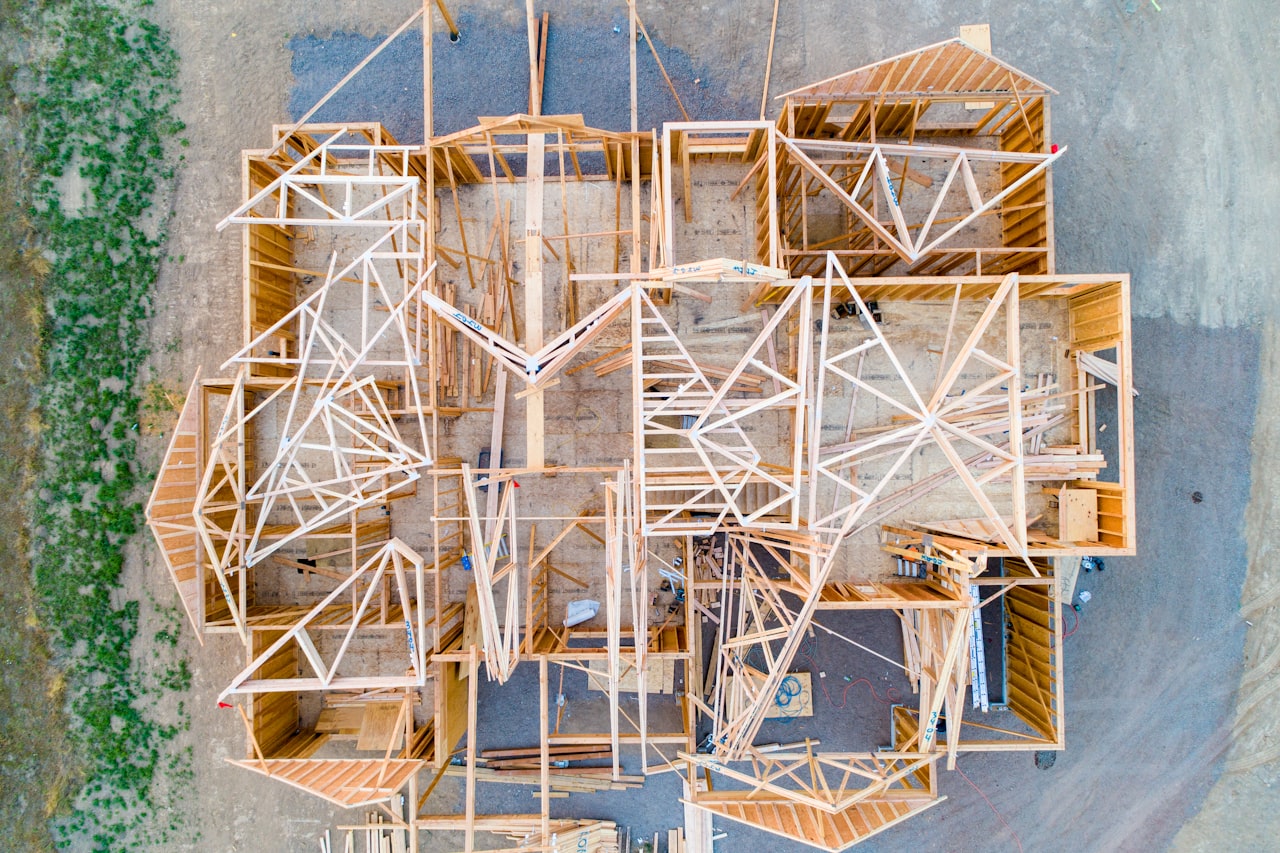
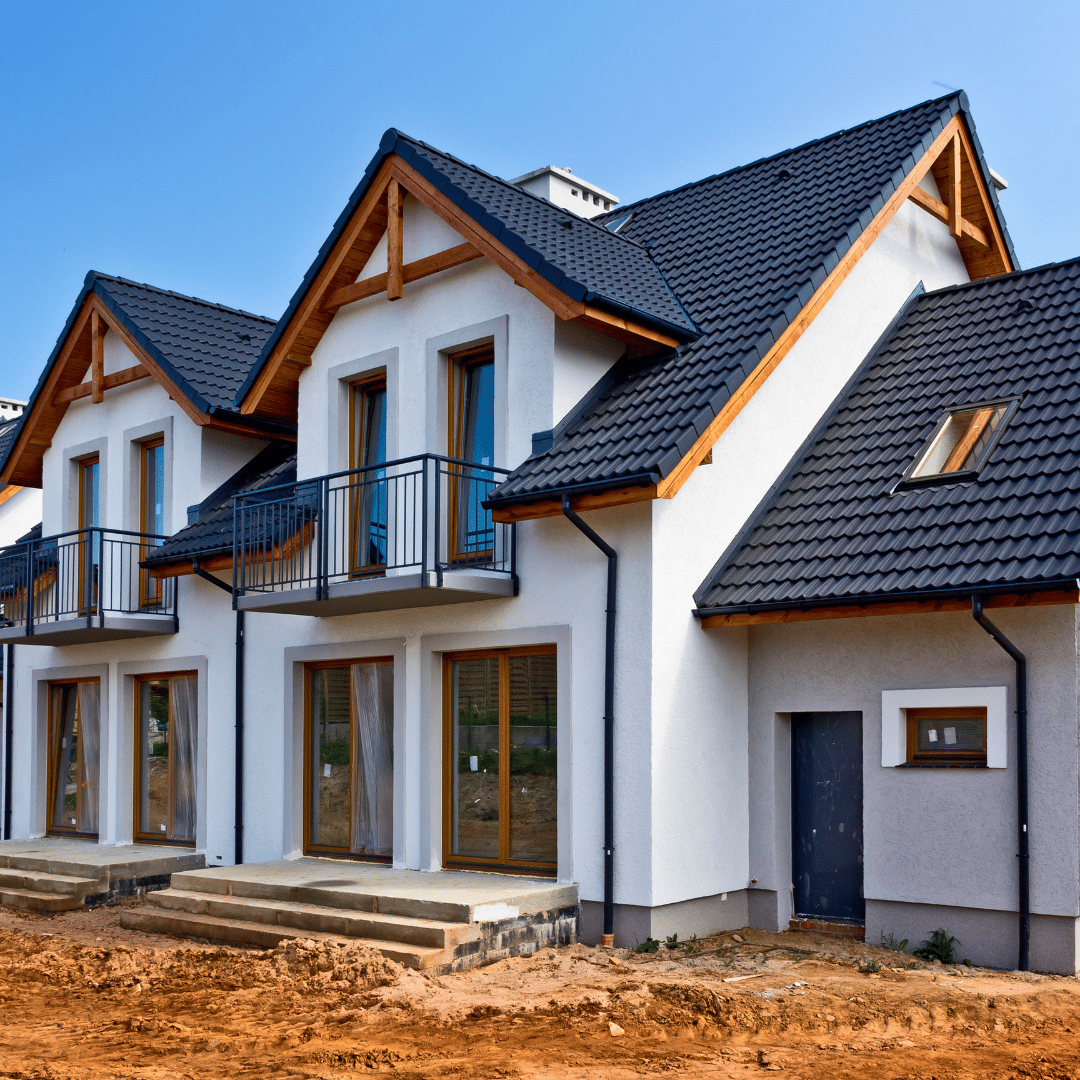
One of the biggest reasons Fort Worth is not seeing runaway appreciation is simple: more homes are coming to market. Fort Worth’s 2025 Development Activity Report shows 5,732 new single-family permits, slightly up from 5,711 in 2024. It also shows 8,011 platted lots, up from 7,682 in 2024.
That growing pipeline usually gives buyers more choice. More supply does not automatically push values down, but it often slows how quickly prices can rise, especially in areas with significant new construction. If you are selling, that means pricing and presentation matter more than they did when inventory was tighter.
Infrastructure Is Shaping Where Value May Hold
Growth is not just showing up in permits. It is also showing up in public investment. Fort Worth created TIF 16: Veale Ranch in 2023 and TIF 18: Walsh Ranch in 2025, covering large areas in the west corridor near Aledo Road, FM 1187, and Highway 377.
The Walsh Ranch TIF says proposed projects are intended to support major regional road, water, sewer, and drainage improvements. That is a meaningful signal. When a city invests in the systems that support development, it often influences where future neighborhoods expand and where buyer interest may strengthen over time.
Walsh Ranch Shows the Pipeline Is Real
This is not just a long-range idea on paper. At its April 30, 2025 meeting, the Fort Worth City Plan Commission considered Walsh Ranch Quail Valley PA6, a preliminary plat revision for 485 residential lots in Parker County within the City of Fort Worth.
That kind of activity matters because plats are one of the clearest signs that future inventory is moving forward. If you are trying to read where competition may increase over the next few years, this is the sort of early indicator worth watching.
Utilities and Roads Matter More Than You Think
Fort Worth Water says its capital plan is a $2 billion, multi-year program through 2029, and it spent $726 million on capital projects in FY2025. The Walnut Creek Sewer Extension project is extending sanitary sewer service from the Aledo Road/FM 2871 intersection westward to the east boundary of the Walsh Ranch property, allowing future development north and south of Aledo Road and west of FM 2871.
TxDOT is also implementing the Keep 20-30 Moving program, with three projects designed to improve mobility on the I-20 and I-30 corridors between Aledo and west Fort Worth. For buyers and sellers, these projects matter because accessibility and development readiness often influence where demand grows fastest.
Why Aledo Can Look Stronger and Slower
At first glance, Aledo’s numbers may look stronger than Fort Worth’s because the median sale price is higher and year-over-year pricing is up. But the market is also thinner and slower. Redfin shows only 7 homes sold in Aledo in March 2026, and homes took 116 days on average to sell.
That means the median can move sharply from month to month. In a small market, a few custom or higher-end sales can shift pricing data more than they would in a large city. So while Aledo may still benefit from westward demand and a more premium price profile, it is also a market where buyers can be highly selective.
What This Means for Fort Worth Homeowners
If you own a home in Fort Worth, the current market looks more measured than explosive. Growth in jobs, population, and infrastructure still supports long-term demand, but higher inventory and new construction are helping moderate broad-based price gains.
That usually means pricing power is local. Homes that are well prepared, well marketed, and positioned in areas tied to major growth corridors may still perform well. Homes that feel less updated or less differentiated may need sharper pricing and a stronger launch plan to stand out.
For sellers in this kind of market, strategy matters. A thoughtful pricing approach, strong visuals, and polished presentation can make a real difference when buyers have more choices.
What This Means for Aledo Homeowners
If you own in Aledo, there is still a strong value story, but it comes with more nuance. The market’s higher median price points to continued demand, yet the small sales count and longer days on market suggest you cannot rely on broad market momentum alone.
In practical terms, buyers may pay a premium when the home, lot, and presentation match what they want. But because the buyer pool is smaller, overpricing can be harder to recover from. In Aledo, precision often matters just as much as scarcity.
What Buyers Should Watch Next
If you are buying in Fort Worth or near Aledo, do not focus on price alone. Some of the best clues about future competition show up before the price charts fully reflect them.
Pay attention to:
- Inventory levels
- Days on market
- New plat activity
- Sewer and water expansion
- Road improvement projects
- Job-producing development in west Fort Worth
These signals can help you understand where more supply may arrive and where demand may stay durable. They also give you a better sense of whether a home’s value is being shaped by short-term noise or by longer-term growth patterns.
Growth Is Still Shaping Values, Just Unevenly
The big takeaway is simple: growth is still shaping home values in Fort Worth and Aledo, but it is not lifting every area in the same way. Fort Worth looks more balanced today, with solid long-term fundamentals and more supply keeping appreciation in check. Aledo still shows signs of premium demand, but its smaller size makes pricing more sensitive and less predictable month to month.
If you are thinking about selling, buying, or timing a move in west DFW, the smartest next step is to look at your specific area through the lens of supply, infrastructure, and buyer behavior, not just citywide averages. For tailored guidance on your home’s value or your next move, connect with Pickard Real Estate Group.
FAQs
How are home values changing in Fort Worth right now?
- Redfin reports a March 2026 median sale price of $337,500 in Fort Worth, down 0.74% year over year, with homes taking about 57 days to sell on average.
Why does Aledo’s housing market behave differently from Fort Worth?
- Aledo is a much smaller market, and Redfin shows only 7 homes sold there in March 2026, which means a few higher-priced sales can move the median more noticeably than in a larger city.
Does new construction in Fort Worth hurt existing home values?
- The data suggests new construction is more likely to moderate appreciation than broadly reduce values, since Fort Worth still has population growth, job growth, and ongoing infrastructure investment alongside rising housing supply.
What growth projects are shaping west Fort Worth and Aledo?
- Key examples include TIF 16: Veale Ranch, TIF 18: Walsh Ranch, the Walnut Creek Sewer Extension, the Keep 20-30 Moving corridor projects, and the 485-lot Walsh Ranch Quail Valley PA6 plat activity.
What should Fort Worth and Aledo sellers watch before listing?
- Sellers should pay close attention to inventory, days on market, new plat activity, infrastructure expansion, and job-producing developments because those factors often shape buyer demand before price trends fully show up.
Is Aledo still growing, or has that slowed down?
- Aledo is still growing, but Aledo ISD said in April 2026 that growth has slowed compared with the earlier surge, suggesting a shift toward more managed, long-horizon growth rather than emergency-capacity growth.