Trying to decide between Fort Worth and Aledo? You are not alone. Both offer access to west DFW, but your day-to-day life can feel very different depending on which place you choose. If you want a clearer way to compare housing, lifestyle, commute patterns, schools, and overall pace, this guide will help you sort through the tradeoffs and focus on what fits you best. Let’s dive in.
Fort Worth vs. Aledo at a glance
Fort Worth and Aledo differ first in scale. Fort Worth has 918,915 residents across 347.27 square miles, while Aledo has 6,655 residents across 2.62 square miles. That size difference shapes almost everything from housing options to traffic patterns to what your weekends look like.
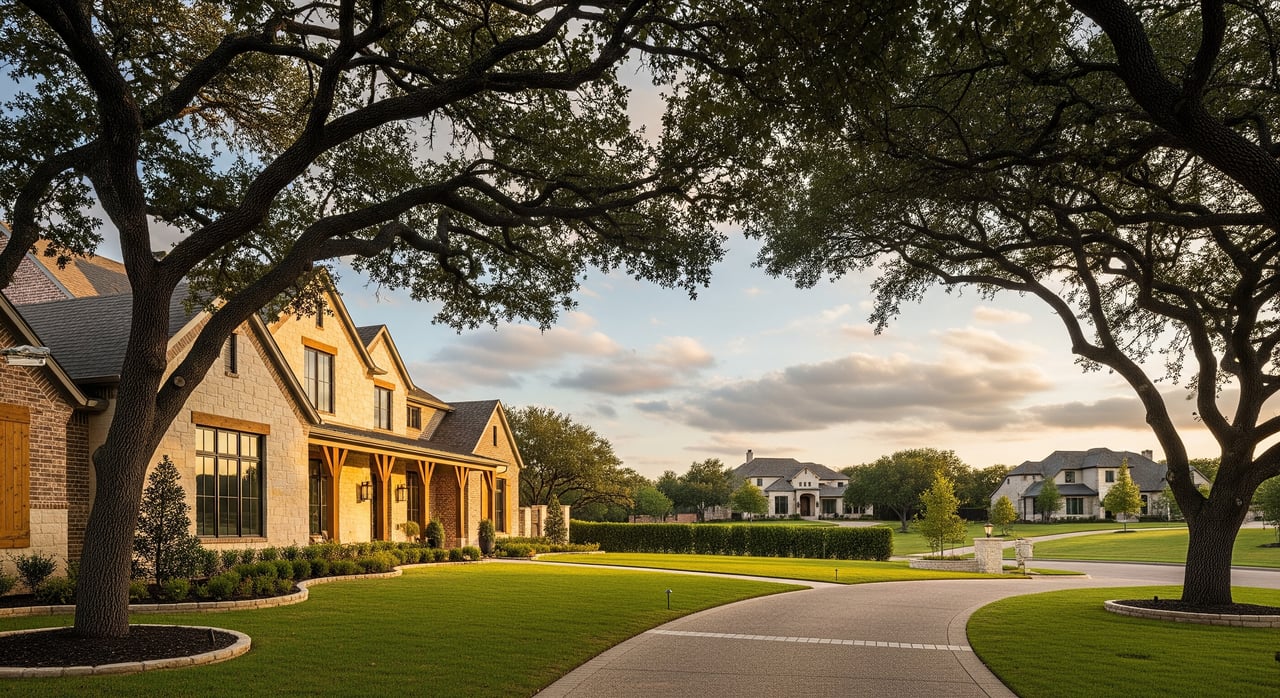
Fort Worth tends to offer a more urban and mixed-use rhythm. Aledo, which the city describes as 20 miles west of Fort Worth with small-town charm and rural roots, feels more compact and community-centered. If you are choosing between the two, you are really choosing between two different daily experiences.
Housing style and price
Fort Worth offers more variety
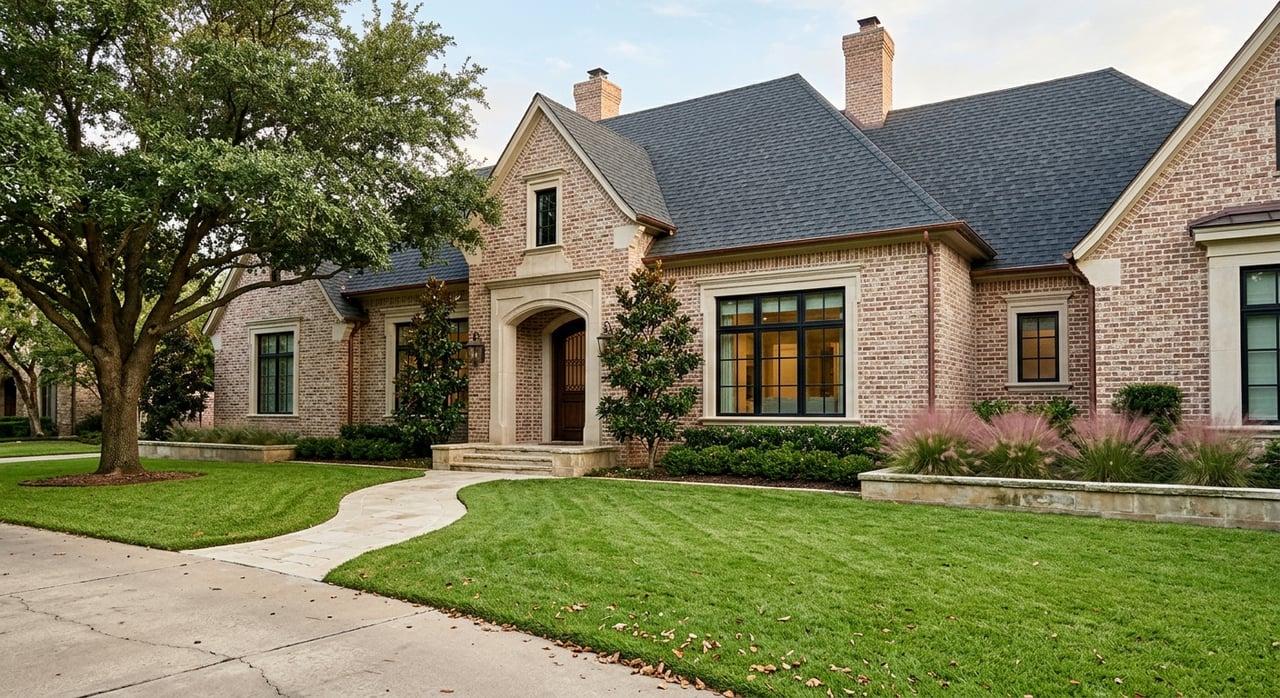
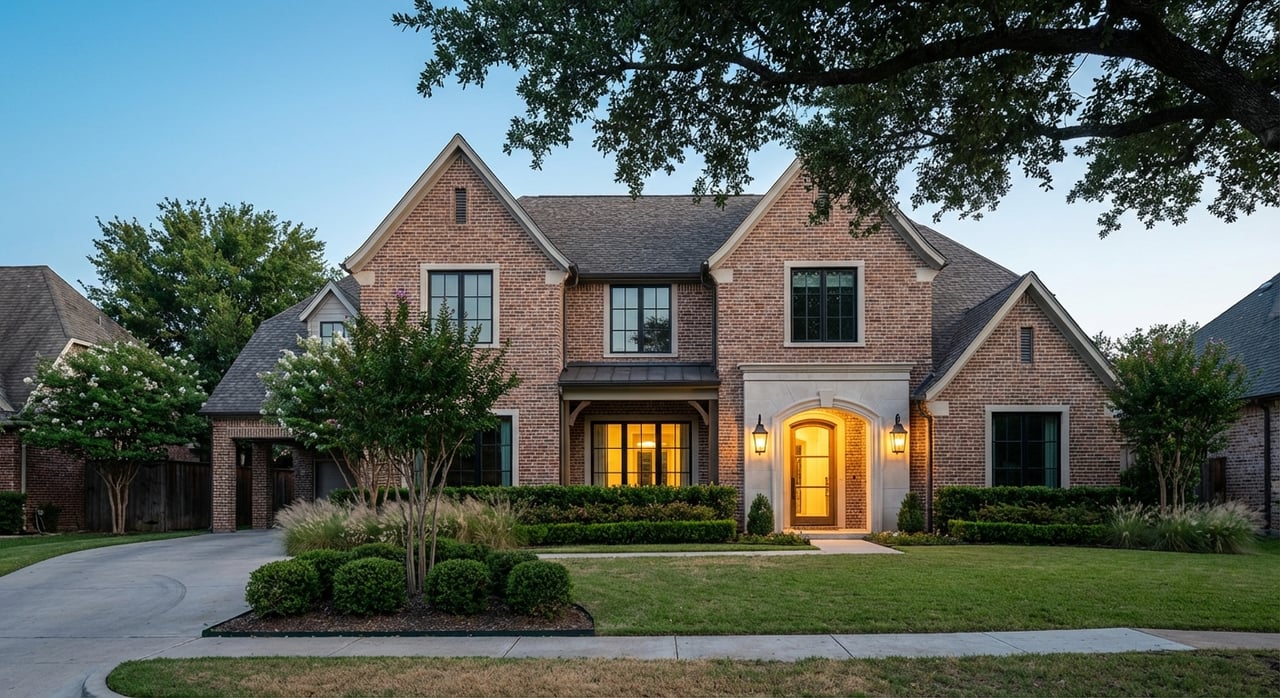
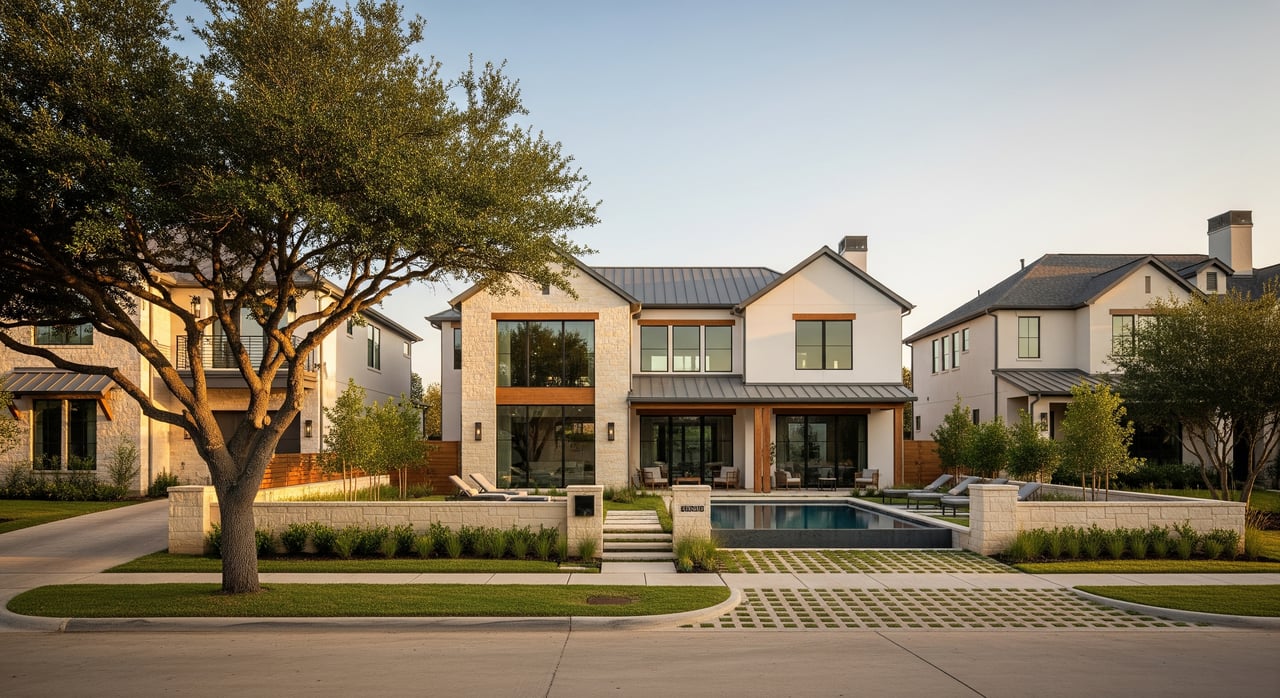
If you want options, Fort Worth has the broader housing mix. The city’s historic preservation plan notes that residential neighborhoods often include a wide variety of home styles rather than just one consistent architectural type. That aligns with a market where historic areas, infill development, multifamily housing, and newer neighborhoods all exist side by side.
Affordability is another reason many buyers start with Fort Worth. According to the U.S. Census QuickFacts for Fort Worth, the median owner-occupied home value is $303,000. The owner-occupied housing rate is 57.0%, which points to a more mixed housing landscape.
Aledo is more owner-occupied
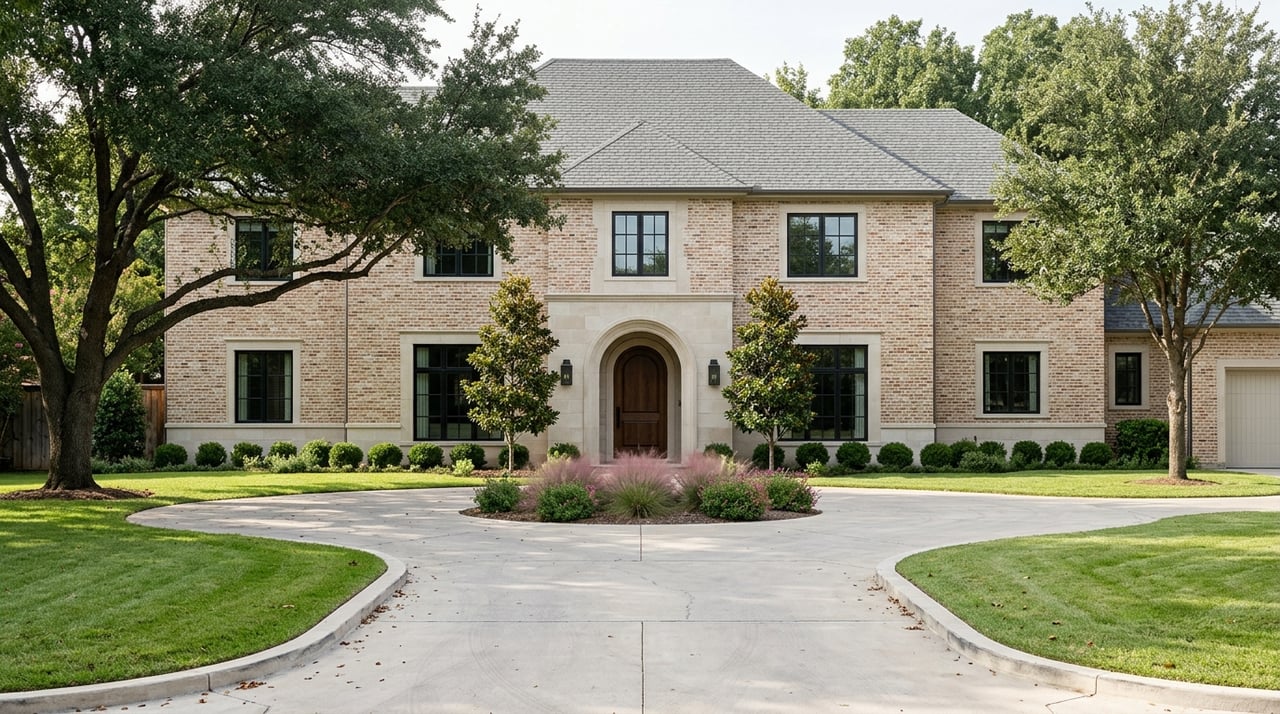
Aledo’s housing profile is different. Census data shows an 88.3% owner-occupied housing rate and a median owner-occupied home value of $465,100. In practical terms, that suggests a market that is more heavily shaped by single-family homeownership and higher price points on average than Fort Worth citywide.
Aledo is also growing fast. Census estimates show the city grew from 4,858 residents in 2020 to 6,655 in 2024, a 37.0% increase. That growth helps explain why some parts of Aledo can feel newer and still in transition as demand continues to shape the local market.
Schools and district size
Aledo has a simpler district story
For many buyers, school district data is part of the decision. Aledo ISD serves parts of Parker and Tarrant counties across 130 square miles, and the Texas Education Agency’s 2023 accountability summary gave the district an overall A with a scaled score of 90. Student Achievement also earned an A.
Because Aledo ISD is smaller, it can be easier to understand at the district level. Its website presents a PK-12 structure with elementary, middle, and high school options in a more compact footprint. If you prefer a smaller district profile, Aledo may feel more straightforward.
Fort Worth offers more breadth
Fort Worth ISD is much larger, with nearly 70,000 students and 140 schools. The Texas Education Agency accountability summary for 2023 gave the district an overall D with a scaled score of 65.
That district-wide score is one part of the picture, but district size matters too. A larger district often means more campuses and more specialized programming, while campus experiences can vary more from one area to another. If you want more school-choice possibilities, Fort Worth may offer more breadth.
Commute and mobility
Fort Worth has stronger transit access
If your lifestyle depends on getting around in more than one way, Fort Worth has the advantage. A city transportation report says Fort Worth is served by 48 bus and rail routes, including Trinity Metro fixed-route buses, paratransit, TEXRail, and the Trinity Railway Express.
Fort Worth’s mean travel time to work is 27.1 minutes, according to Census data. In a large city, that still means commute times vary, but the mobility network is more developed. If you value transit access or more in-city connectivity, Fort Worth stands out.
Aledo is more driving-oriented
Aledo’s mean travel time to work is 29.1 minutes, based on Census data. Given its smaller size and location west of Fort Worth, the day-to-day pattern is more car-dependent for most residents. That setup works well for many buyers who want a quieter home base and do not mind driving for work, shopping, or entertainment.
The city itself frames Aledo as a place that combines local identity with access to Fort Worth’s employment, healthcare, and cultural resources. For many households, that tradeoff is part of the appeal. You can enjoy a smaller setting while staying connected to a major job center.
Dining, culture, and weekends
Fort Worth brings more variety
If you want more places to go on a Friday night, Fort Worth offers a deeper bench. The city’s arts and culture plan identifies the Cultural District, Downtown, and the Historic Stockyards as three unique arts and entertainment districts that draw seven million visitors each year. That gives you a stronger mix of museums, events, restaurants, and entertainment zones in one market.
Fort Worth also promotes a district-by-district dining scene with food festivals, breweries, patios, and chef-driven restaurants. If your ideal lifestyle includes trying new places, attending cultural events, or staying active in a larger city environment, Fort Worth likely checks more boxes.
Aledo keeps it local
Aledo leans into a smaller, community-based experience. The city highlights local boutiques, restaurants, and events such as Summer Blast and Christmas Tyme in Aledo. That points to a town where the social scene is more local and less destination-driven.
For some buyers, that is exactly the point. If you value familiar routines, local events, and a quieter pace over a bigger entertainment map, Aledo may feel like a better fit.
Parks and outdoor space
Aledo feels neighborhood-centered
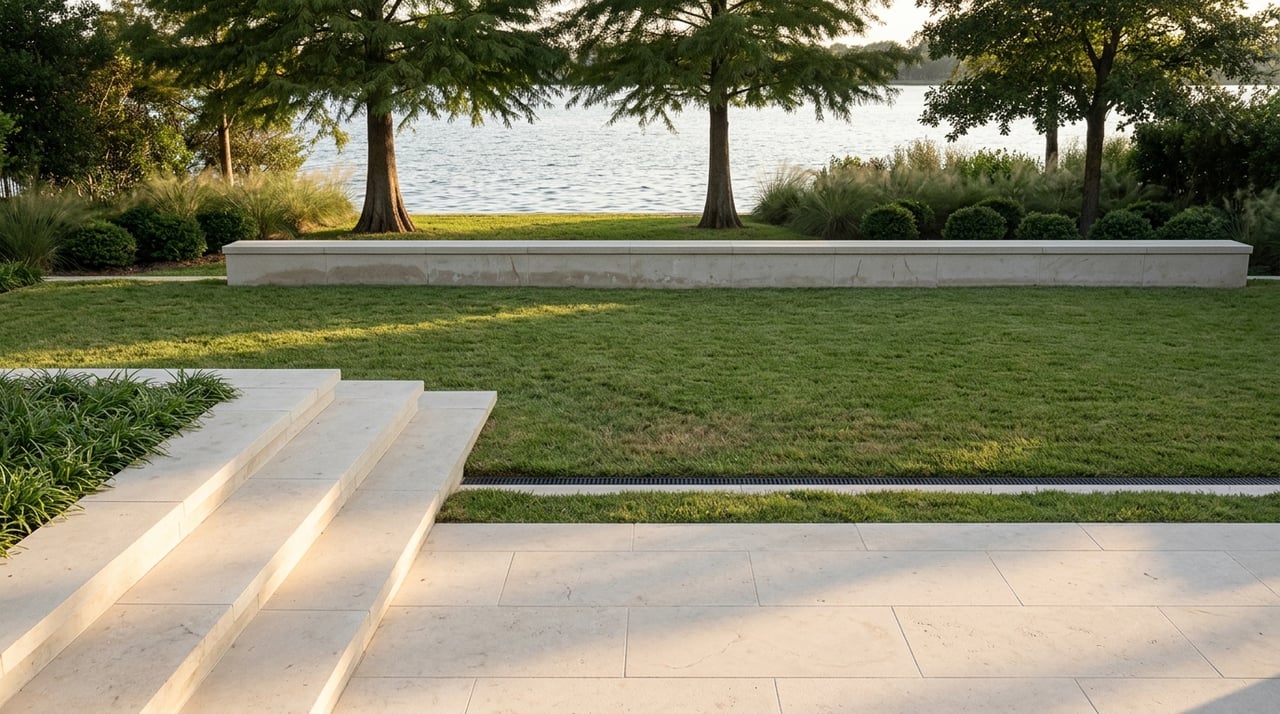
Aledo says it has six free public park areas and the Parks of Aledo Trails, which include a 12-plus-mile stacked-loop trail system through more than 135 acres of green space. That creates an outdoor routine that feels accessible and woven into daily life.
The city also emphasizes rolling hills and open skies in its community identity. If you want outdoor amenities that support a smaller-town feel, Aledo offers a strong case.
Fort Worth offers regional scale
Fort Worth’s outdoor system is broader. Trinity Park covers about 252 acres and connects into the Trinity River Trails network of more than 100 miles of paved trail. That gives you a much larger menu of recreation options across the city.
If you like the idea of moving between different parks, trails, and activity hubs, Fort Worth has more scale and variety. If you prefer a simpler, closer-to-home outdoor routine, Aledo may feel easier to live in.
Which one fits your lifestyle?
The better choice depends less on which place is “best” and more on how you want your week to feel. Fort Worth generally fits buyers who want more housing variety, broader transit access, more dining and culture, and the feel of a true city. Aledo often fits buyers who want a smaller community, a higher owner-occupied profile, strong district-level school performance, and a quieter base west of DFW.
A simple way to think about it is this: Fort Worth gives you more range, while Aledo gives you more consistency. One is not automatically better than the other. The right fit depends on your budget, commute needs, housing goals, and the pace of life you want at home.
If you are weighing a move in west DFW, working with a local team can help you compare tradeoffs neighborhood by neighborhood and home by home. Whether you are selling first, relocating, or trying to time a move with less stress, Pickard Real Estate Group can help you build a plan that fits your goals.
FAQs
Is Fort Worth or Aledo more affordable for homebuyers?
- Based on Census data, Fort Worth has the lower median owner-occupied home value at $303,000, while Aledo’s median owner-occupied home value is $465,100.
Does Aledo or Fort Worth have stronger district-level school ratings?
- Based on the latest released TEA accountability summaries in the research, Aledo ISD has the stronger district-level rating, while Fort Worth ISD offers more campuses and program variety.
Is Fort Worth or Aledo better for a small-town lifestyle?
- Aledo is the better fit if you want a smaller population, community events, local parks, and a quieter day-to-day setting.
Is Fort Worth or Aledo better for dining and entertainment?
- Fort Worth offers a much larger dining and cultural scene, including major arts and entertainment districts, broader restaurant options, and city-scale events.
Is commuting easier from Fort Worth or Aledo?
- Fort Worth has a stronger transit and mobility network, while Aledo is more driving-oriented for most residents.