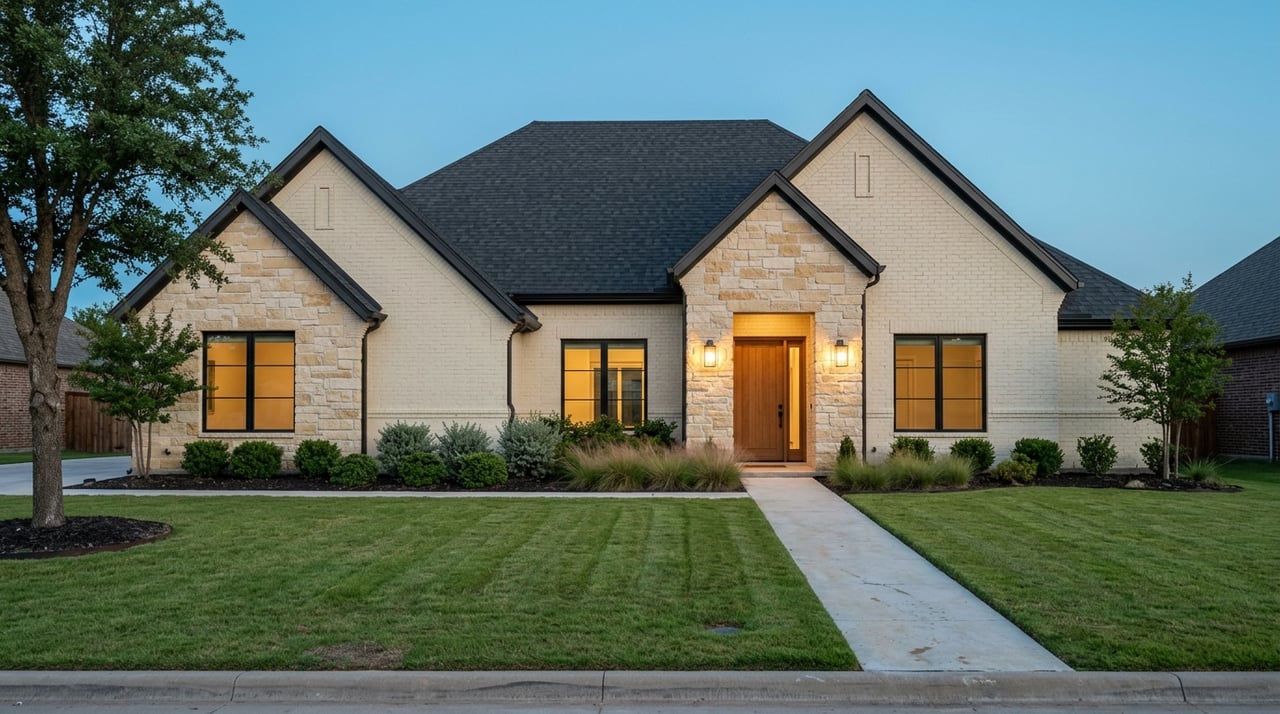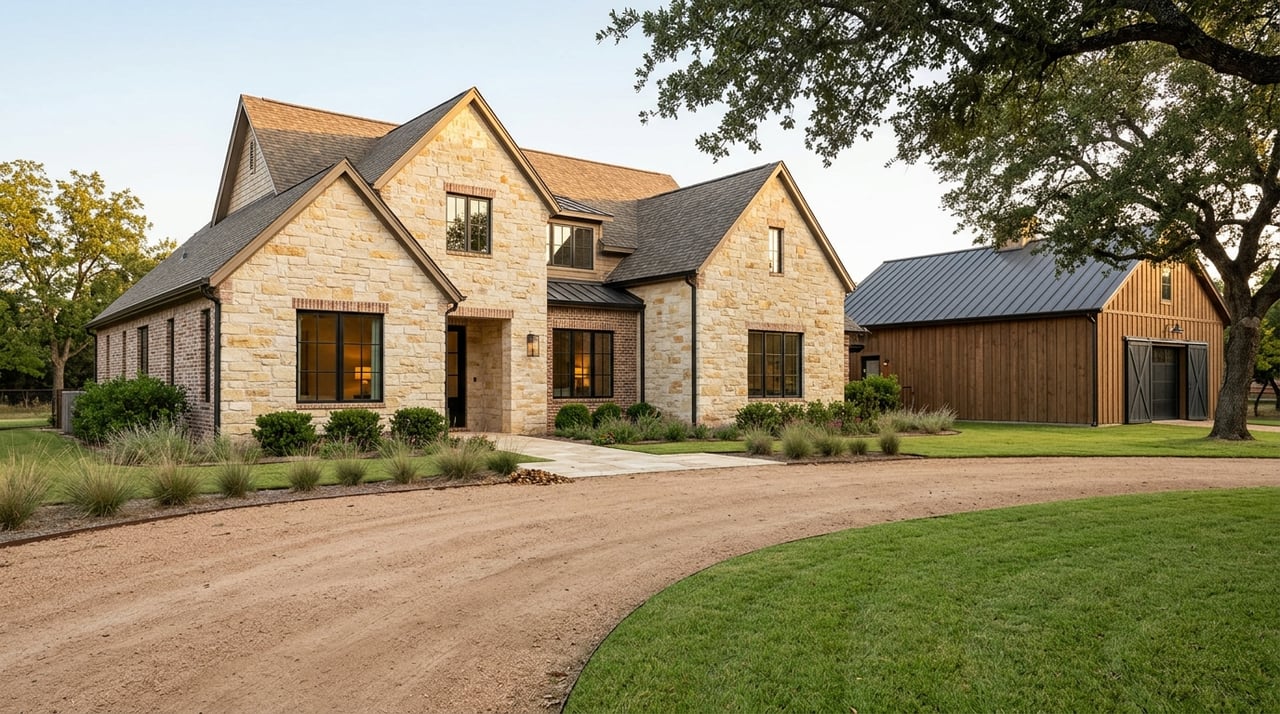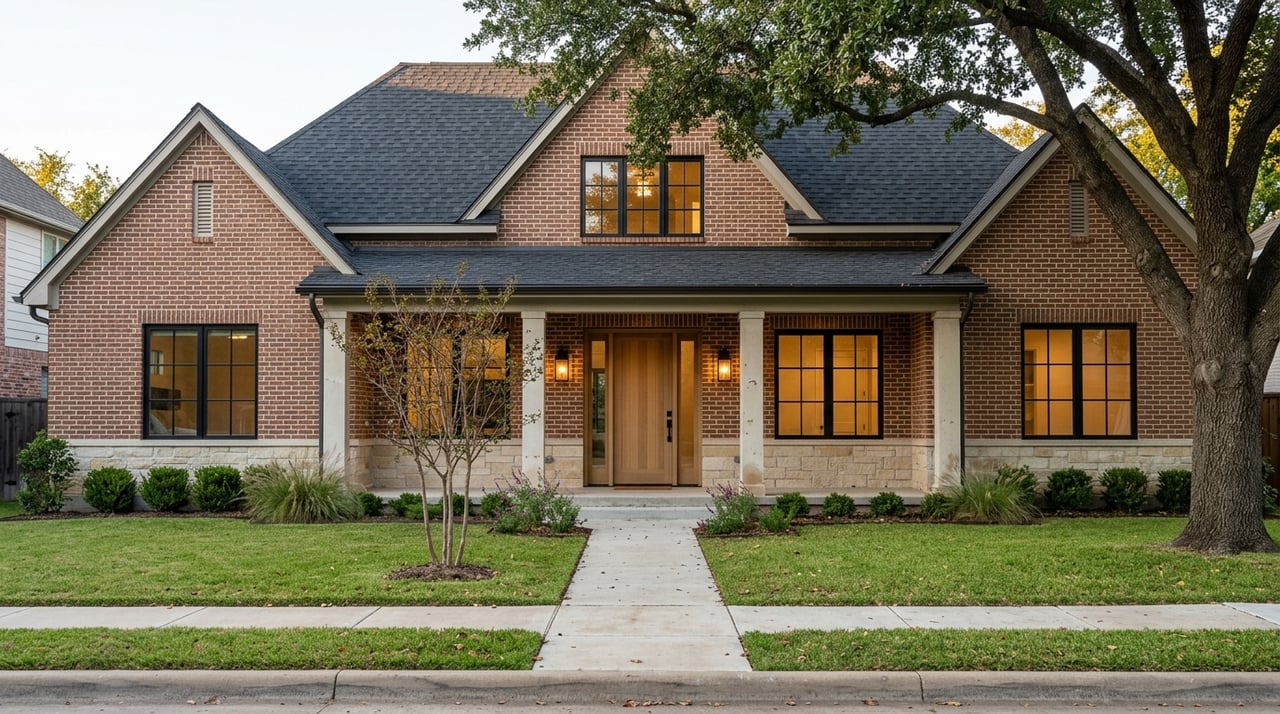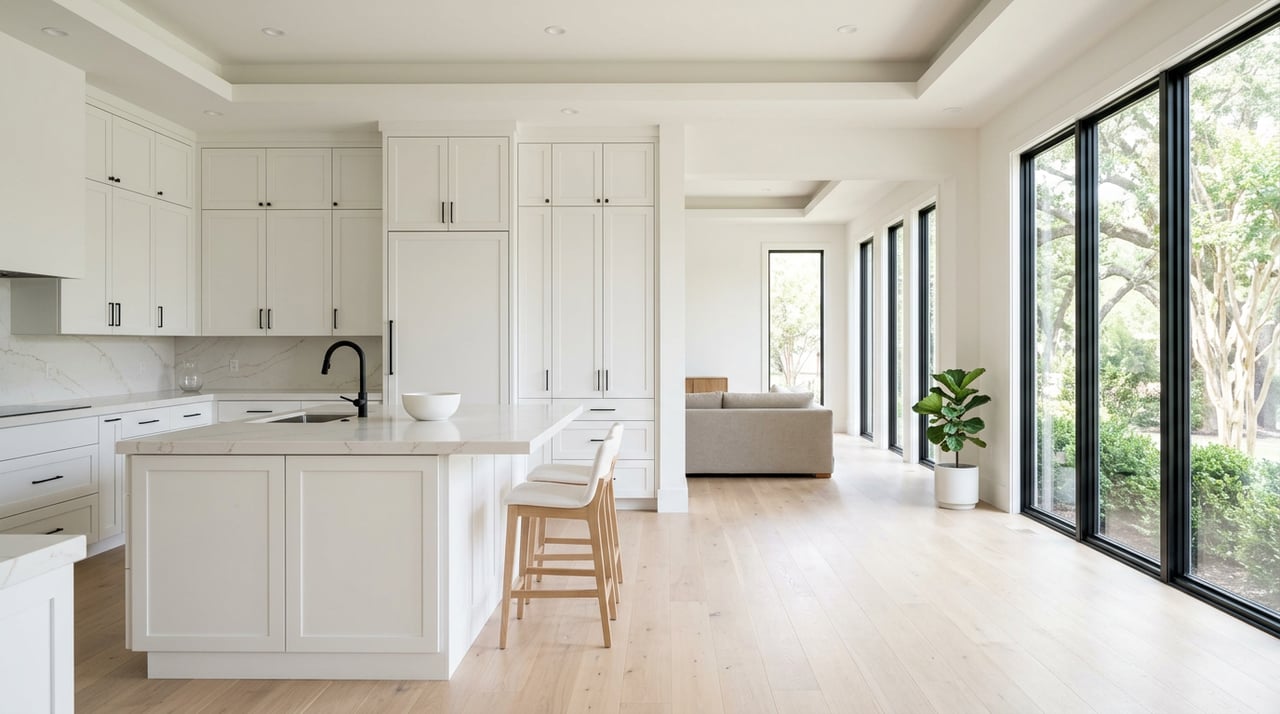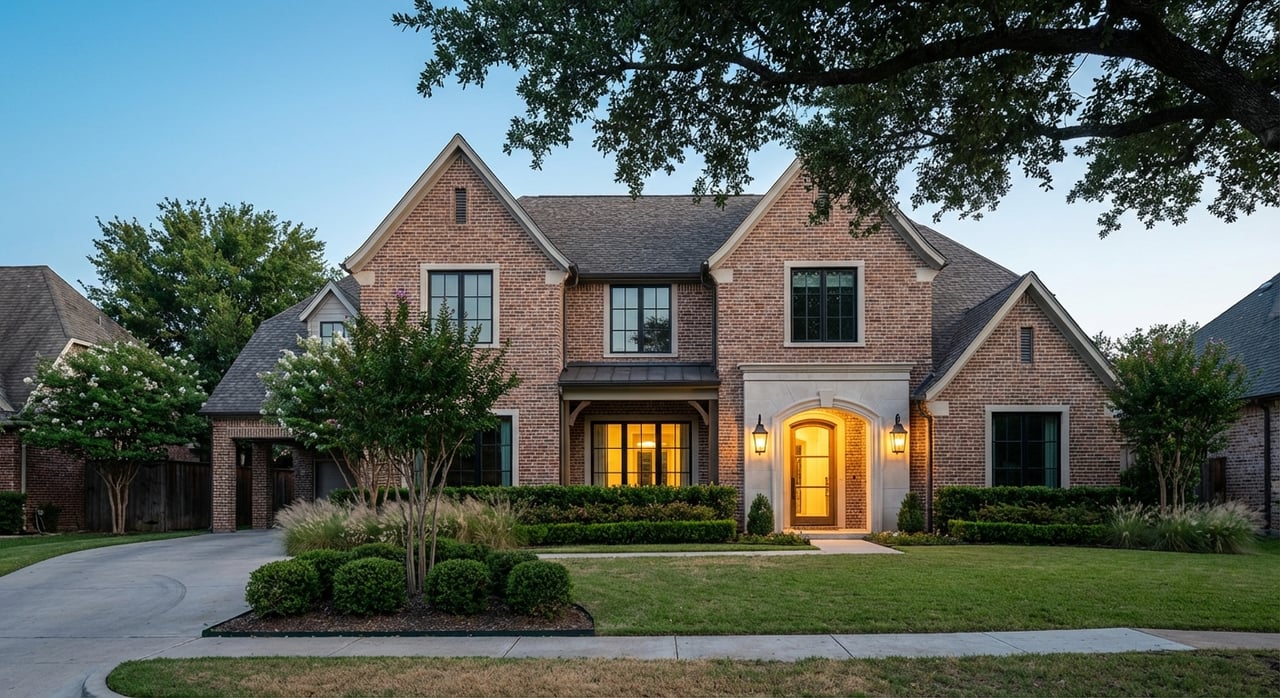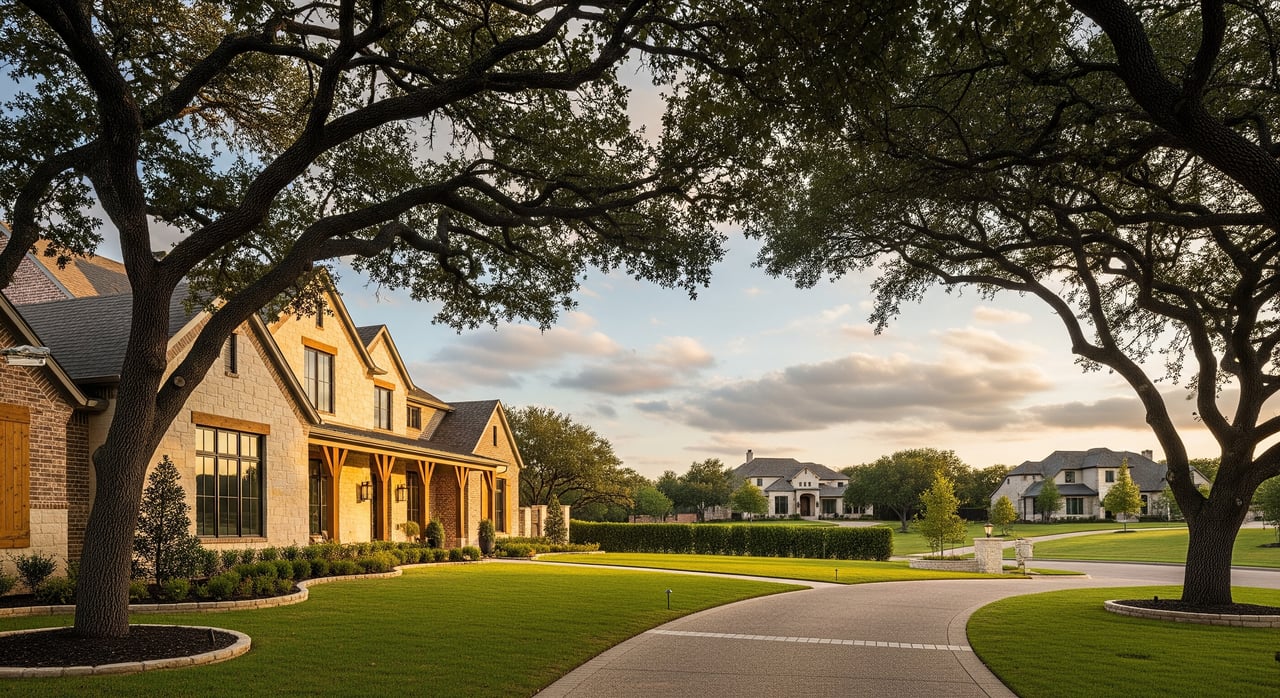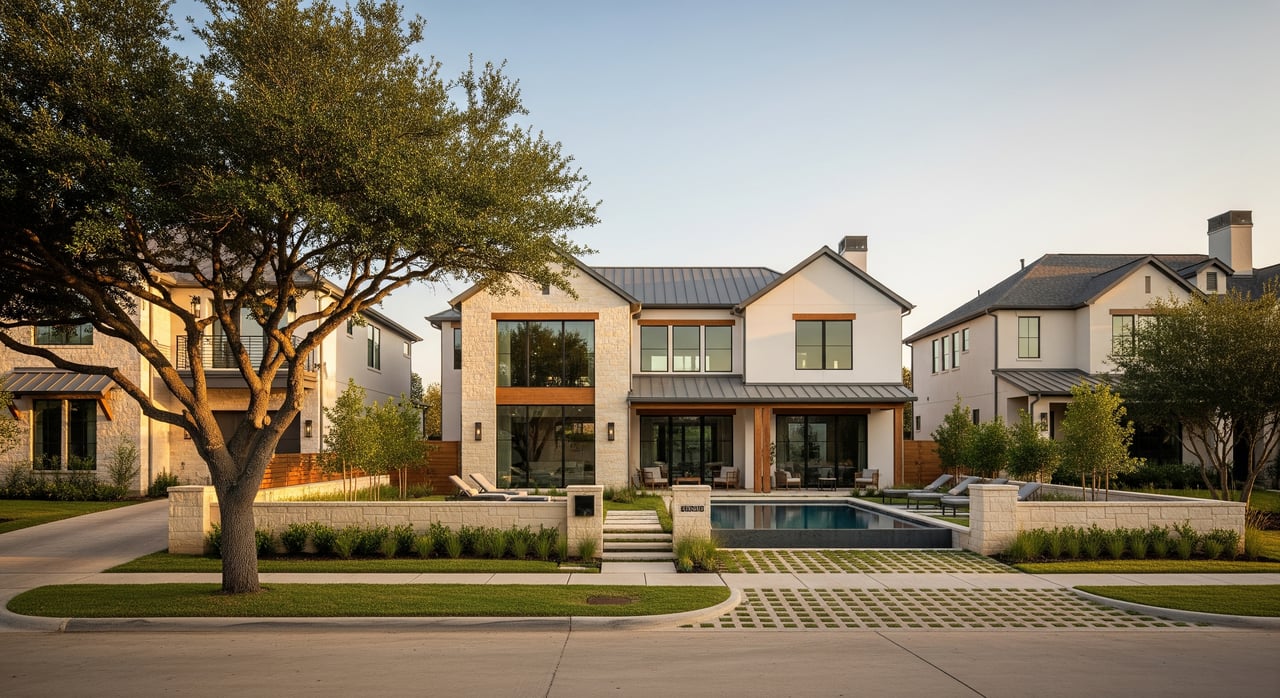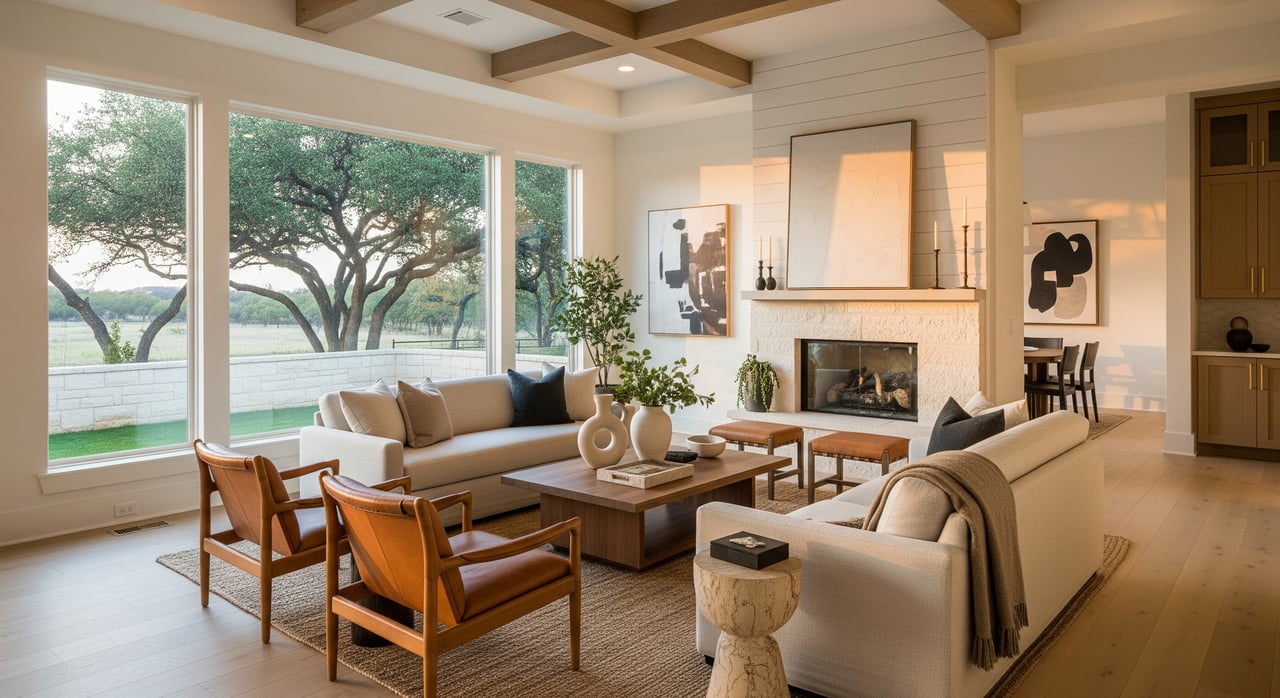
Thinking about living with less upkeep while staying close to your favorite Dallas spots? If you love the Park Cities or Lakewood lifestyle, you have real options to downsize without giving up convenience or community. In this guide, you will see how condos, townhomes, and lock-and-leave single-family homes compare, what HOA and financing details matter most, and how to plan a smooth move. Let’s dive in.
Market snapshot
If you want to stay in the Park Cities, expect luxury pricing with limited inventory. Recent neighborhood snapshots show median sale prices around $2.7M in Highland Park and $2.9M in University Park. You can view the latest local data here for Highland Park and University Park.
Lakewood offers a lower entry point than the Park Cities while keeping you near White Rock Lake and established retail areas. A recent snapshot shows a Lakewood median near $1.6M for all home types, with attached units often trading below single-family prices. Check current Lakewood trends on Redfin’s neighborhood page.
Prices change with the mix of homes listed and sold each month, so confirm medians on your search date.
Your main options
Condos
Condos give you ownership of the unit interior while the association manages common elements and exterior systems. If you want single-level living, building amenities, and a true lock-and-leave setup, a condo can fit well. For a quick primer on how condo ownership works compared with other options, see this condo vs townhouse overview from Chase.
What to know in Park Cities and Lakewood:
- Low maintenance and amenities. Many buyers choose condos for convenience, elevators, and proximity to retail and dining.
- Higher HOA dues. Condos often have higher dues because they cover building systems, elevators, master insurance, staff, and amenities. National reporting shows HOA dues have been rising, which affects affordability. See Realtor.com’s summary on rising HOA dues and owner costs.
- Financing matters. Lenders review the building itself for warrantability. If a project does not meet Fannie or Freddie guidelines, you may need a different loan type. Learn what “warrantable” means in this condo financing guide. Confirm building eligibility early.
- Local reality. Attached homes are scarce in the Park Cities and often command a premium for the address and walkability. Expect fewer entry-level one-bedroom bargains than you might find in other Dallas areas.
Townhomes
Townhomes are attached residences that can be titled fee-simple or as a condo, depending on the community. Many live like small single-family homes with private entrances and garages. If you want more interior space and storage than a condo, this option is worth a look.
What to know locally:
- Park Cities pricing. Three-bedroom townhomes in well-regarded enclaves, such as The Mews of Highland Park, have recently fallen roughly in the $800k to $1.1M range or higher depending on finish and location. Other Park Cities townhomes list in the high $500k to $900k band. (Representative examples sourced from broker pages — [competitor site — do not link].)
- Lakewood pricing. You will find many townhomes in the sub-$400k to $600k band, with newer or closer-in options often higher. An illustrative Lakewood gated townhome showed HOA dues around $446 per month with a list price in the high $300s. (Listing example for reference — [competitor site — do not link].)
- Maintenance tradeoff. Some HOAs cover exterior care and landscaping, which reduces chores compared with a stand-alone home.
Lock-and-leave single-family
Smaller-footprint or zero-lot single-family homes can deliver privacy with lower exterior obligations, especially in gated enclaves where the HOA maintains the grounds. Inventory inside the Park Cities is limited, and pricing often aligns with or exceeds townhome levels because of location scarcity. Review current Park Cities market context on Highland Park’s Redfin page as you assess options.
What HOA dues really cover
Dues vary widely by building and amenities. Condos usually carry higher dues because they fund shared systems and services. National reporting confirms that HOA fees have trended higher in recent years, which can affect your monthly budget and debt-to-income ratio. Get context from Realtor.com’s brief on rising HOA dues.
Typical items funded by HOA dues include:
- Exterior maintenance and roof reserves
- Landscaping, gates, and common-area utilities
- Building systems like elevators and fire safety
- Amenities such as pools, fitness rooms, and concierge services
- Master insurance, with the owner carrying an HO-6 for interiors where applicable
HOA due diligence checklist
Before you commit, request and review these items. They directly affect affordability, financing, and resale.
- Declaration, bylaws, and CC&Rs. Understand what the association maintains and what you must cover. Texas procedures for residential associations are in Chapter 209 of the Property Code.
- Current budget and reserve study. Look for healthy reserves and a regular reserve contribution. Lenders often check reserve funding during condo project reviews. See a lender overview of reserve expectations in this warrantable condo guide.
- Recent board meeting minutes. Scan the past 12 to 24 months for deferred maintenance, major projects, or talk of special assessments. Here is a practical list of special considerations in condo financing that often arise in reviews.
- Insurance declarations. Confirm what the master policy covers, deductibles, and what you must insure in your HO-6. Rising insurance and repair costs have contributed to higher dues and assessments, per Realtor.com’s reporting.
- Owner occupancy and delinquencies. A high investor share or elevated dues delinquencies can be a red flag for lenders. Learn why in this condo warrantability explainer.
- Litigation disclosures. Ongoing construction or structural litigation can restrict financing and impact resale. Review guidance on condo financing considerations.
Financing and resale planning
- Project approvals. If you plan to use a conventional loan, verify the building’s eligibility with your lender before you fall in love with a unit. If the project is non-warrantable, portfolio or jumbo financing may require a larger down payment or carry different terms. A short read on the basics: what makes a condo warrantable.
- Dues in your budget. Lenders include HOA dues in your debt-to-income calculation. Build a conservative estimate into your search and verify whether dues include utilities or insurance.
- Resale outlook. In the Park Cities, smaller attached homes are relatively scarce, which can support value. That said, buyer pools vary by building. Townhomes with private garages and entries often appeal to the broadest set of downsizers. Use very recent comps in the same building or enclave to model resale and pricing.
Price bands and examples
Here is a quick, big-picture view to help you calibrate your search.
- Park Cities medians. Highland Park around $2.7M; University Park around $2.9M for all home types. Check Highland Park and University Park for current medians.
- Lakewood median. Around $1.6M for all home types, with condos and townhomes often below that. See the Lakewood snapshot for updates.
- Attached in Lakewood. Many condos and townhomes list in the $250k to $700k range, with higher prices for newer infill and units near the lake. (Recent listing examples reviewed — [competitor site — do not link].)
- Townhomes in Park Cities. Roughly high-$500k to $900k for select options, with three-bedroom enclaves like The Mews often $800k to $1.1M+, depending on finish and location. (Representative broker examples — [competitor site — do not link].)
Use these as directional anchors. The exact mix of listings changes month to month.
Lifestyle tradeoffs
- Park Cities proximity. Highland Park Village shopping and dining, SMU cultural venues, and a network of parks help smaller homes hold appeal because you keep daily convenience. Explore area highlights in the Highland Park neighborhood guide.
- Lakewood access. Many buyers happily trade a private yard for quick access to White Rock Lake and the Lakewood retail cluster. See an overview of the area in the Lakewood neighborhood guide.
- Amenities vs storage. If you want concierge, pool, and a gym, a condo often wins. If you prioritize a private garage and in-unit storage, a townhome usually fits better.
Nearby alternatives
If Park Cities inventory is too limited or pricing stretches your budget, you still have great options within a short drive.
- Uptown. Walkable, amenity-rich condo and townhome buildings at more varied price points than the Park Cities. Review the latest trends on Redfin’s Uptown page.
- Lower Greenville and M Streets. Townhomes and smaller single-family homes near active dining corridors. See current activity on Redfin’s Lower Greenville page.
- Lake Highlands and North Lakewood fringe. More single-family options at lower price points, with tradeoffs in distance from Park Cities cores and the lakefront blocks.
Your next steps
- Clarify your top three priorities. For most downsizers, that is location, maintenance level, and garage or storage needs.
- Get pre-approved and set a monthly target. Build HOA dues into your budget. Ask your lender to model different scenarios for condos vs townhomes.
- Pick your financing path. If you are leaning condo, ask your lender to confirm project warrantability on your short list before you tour.
- Shortlist three buildings or enclaves. Walk them in the morning, afternoon, and evening so you understand noise, traffic, and access.
- Request the HOA document package. Focus on budget, reserves, insurance, meeting minutes, and any planned assessments.
- Review comps inside the same community. Pricing can vary building to building even on the same street.
- Plan your move timing. If you need to sell first, ask about Compass Bridge Loan Services and concierge-style prep to sequence your move with less stress. Our team can help coordinate vendors, staging, and timing to keep things simple.
Ready to right-size without losing what you love about Dallas living? Reach out to the Pickard Real Estate Group for a tailored plan, building short list, and a clear budget that fits your goals.
FAQs
What is the difference between a condo and a townhome in Dallas?
- A condo typically gives you ownership of the unit interior while the association maintains the exterior and common areas, while townhomes often live like small single-family homes with private entries and garages; ownership can be fee-simple or condo depending on the community, as outlined in this condo vs townhouse guide.
How much should I budget for HOA dues in Park Cities or Lakewood?
- Dues vary by building size, amenities, and insurance costs, and national reporting shows HOA fees have been rising; ask for the current budget, reserve study, and what dues include so you can model your monthly costs, and review context on rising HOA dues.
What does a “warrantable” condo mean for my loan?
- Warrantable projects meet Fannie Mae and Freddie Mac guidelines for things like reserves, insurance, owner occupancy, and litigation; if a project is non-warrantable, you may need portfolio or jumbo financing with different terms, so confirm building eligibility early using a warrantable condo checklist.
Are small condos in the Park Cities good for resale?
- Smaller attached homes are limited inside the Park Cities, and that scarcity can support value, but demand varies by building; use recent comps within the same building or enclave and weigh HOA health, amenities, and parking or storage.
What HOA documents should I review before buying in Texas?
- Ask for the declaration/bylaws, current budget and reserve study, recent board minutes, insurance declarations, owner occupancy and delinquency data, and any litigation disclosures; Texas procedures for residential associations are in Property Code Chapter 209.
Can I buy before I sell when downsizing in Dallas?
- Yes, with the right financing plan; our team can discuss Compass Bridge Loan Services and a prep plan to help you purchase first, then list your home with staging and vendor support for a smooth transition with less risk.