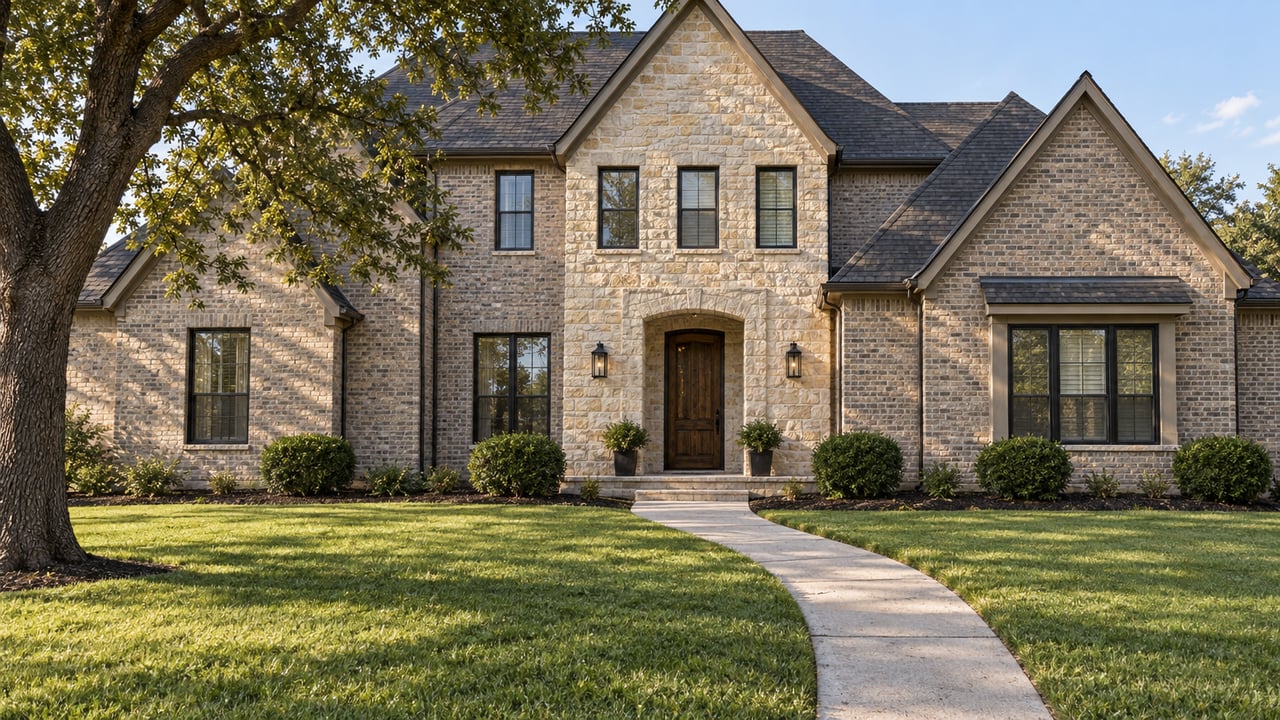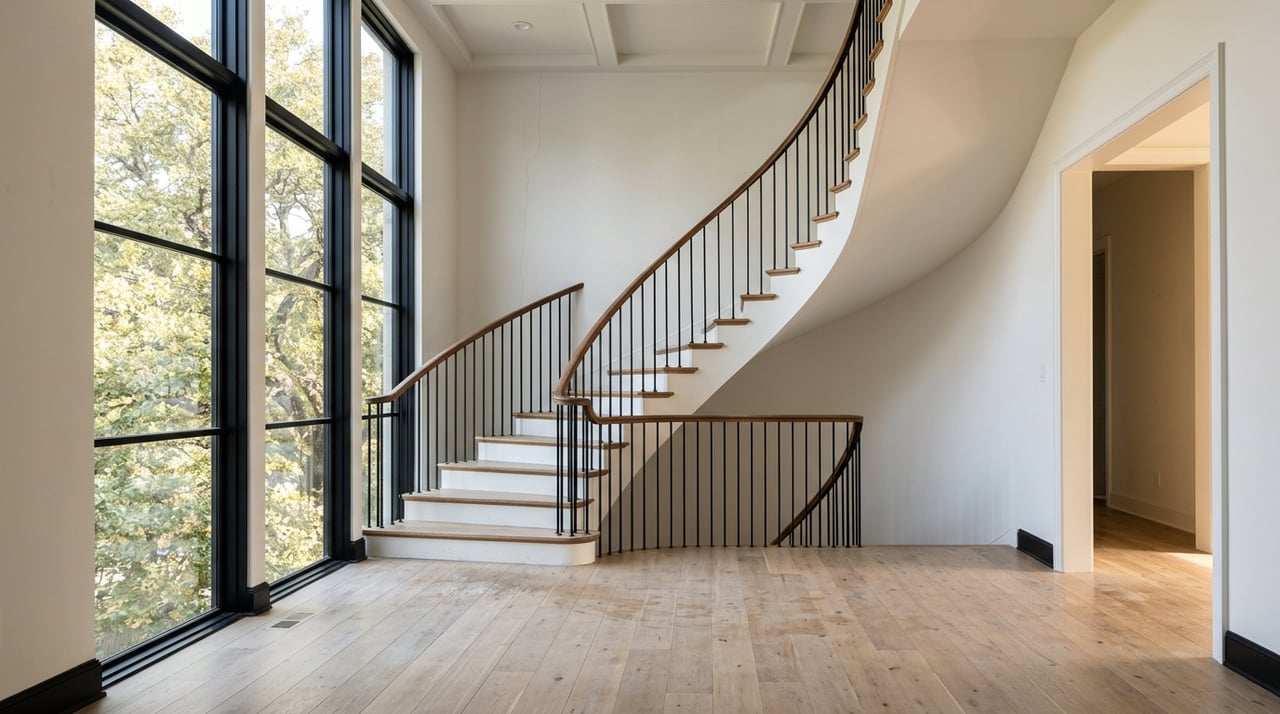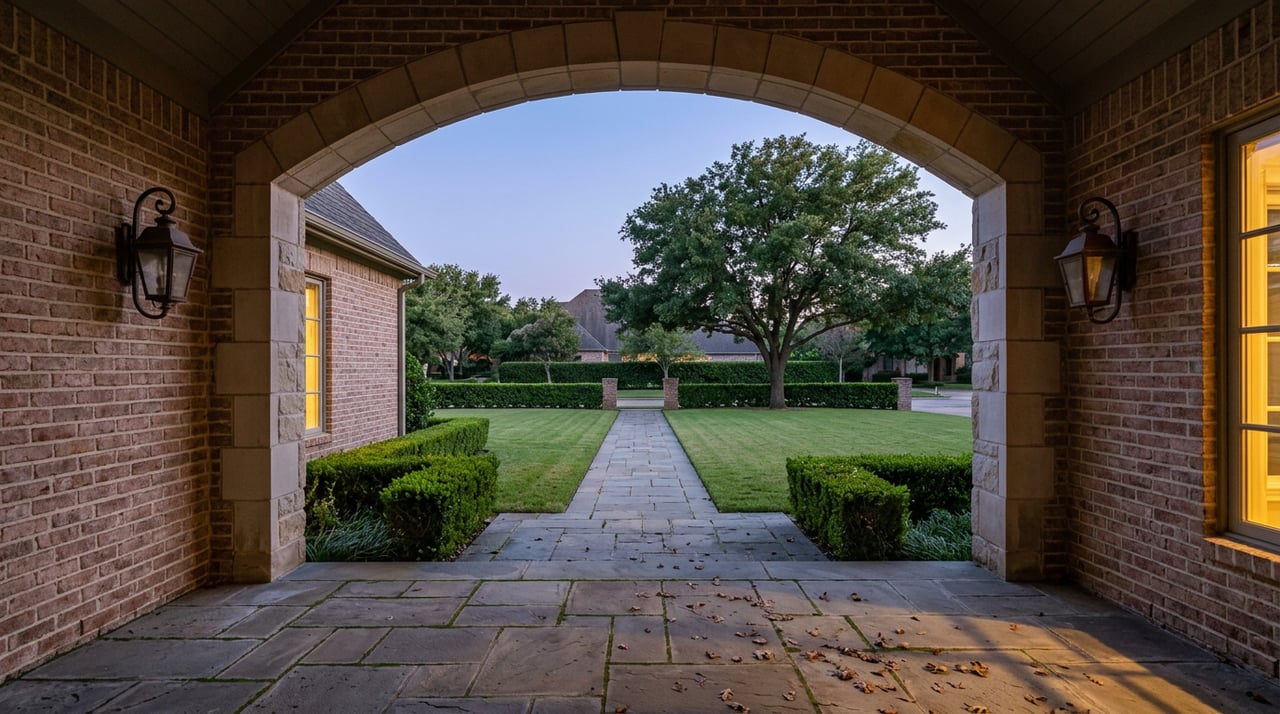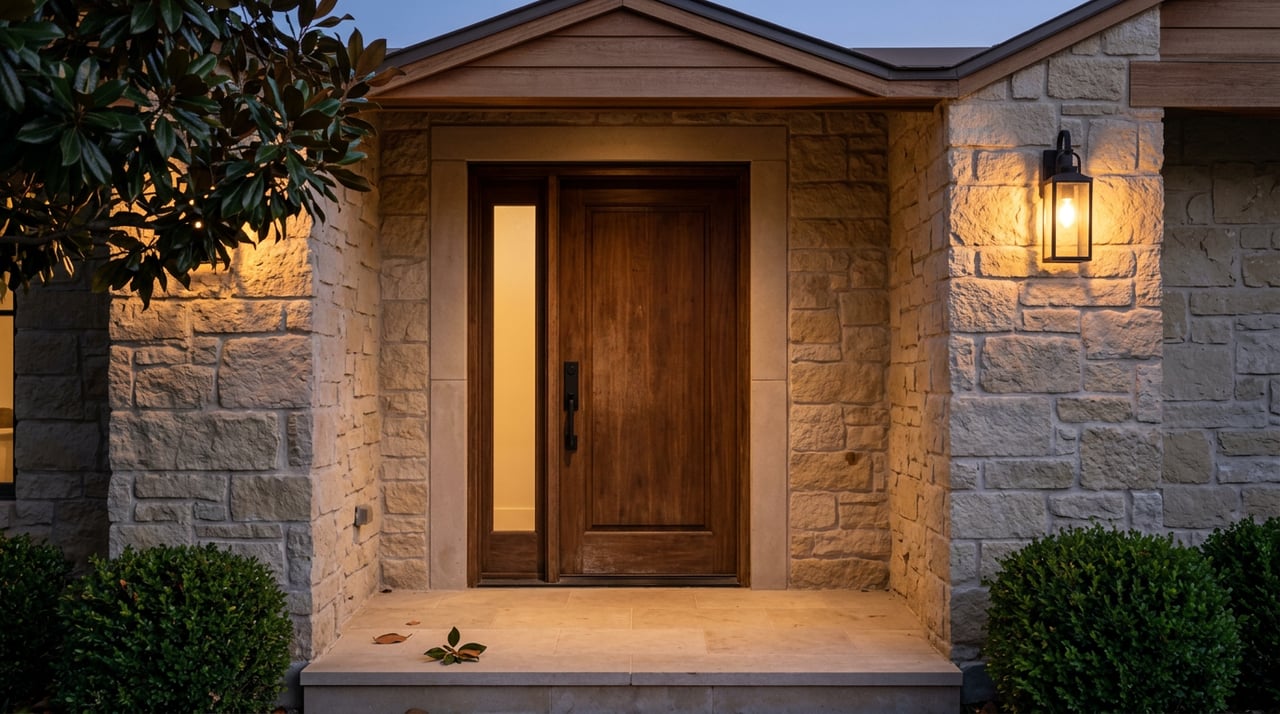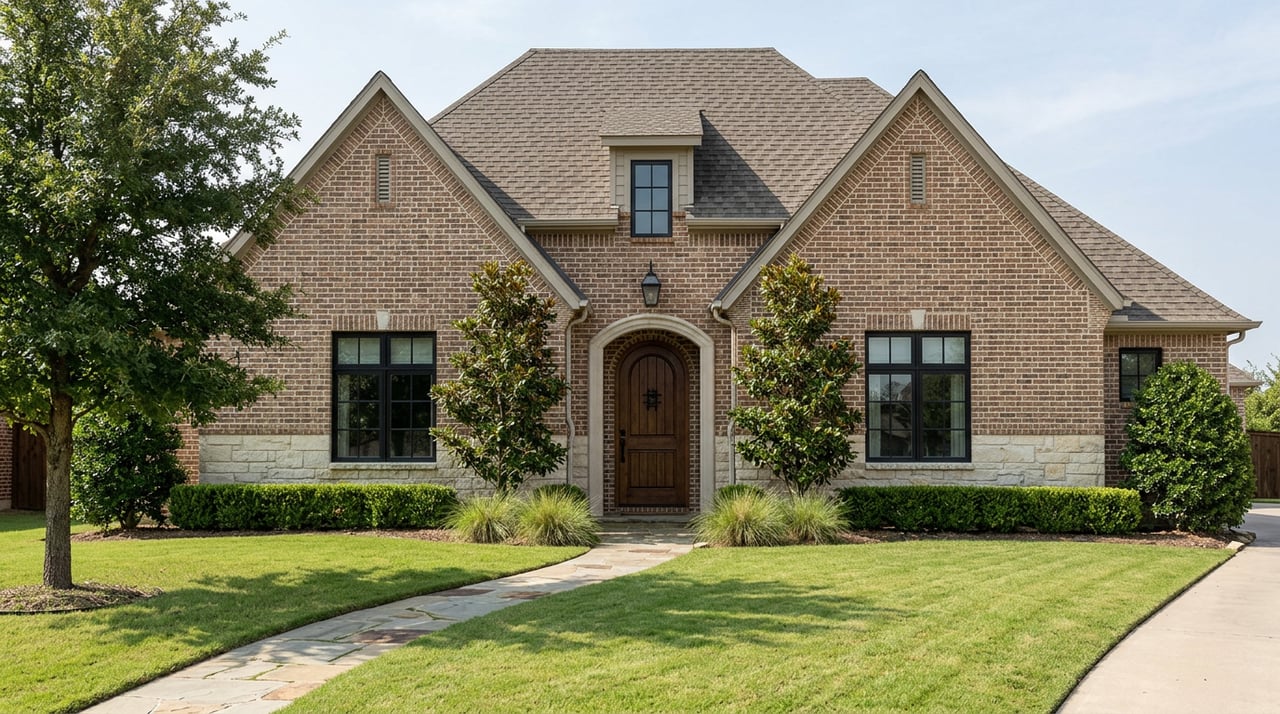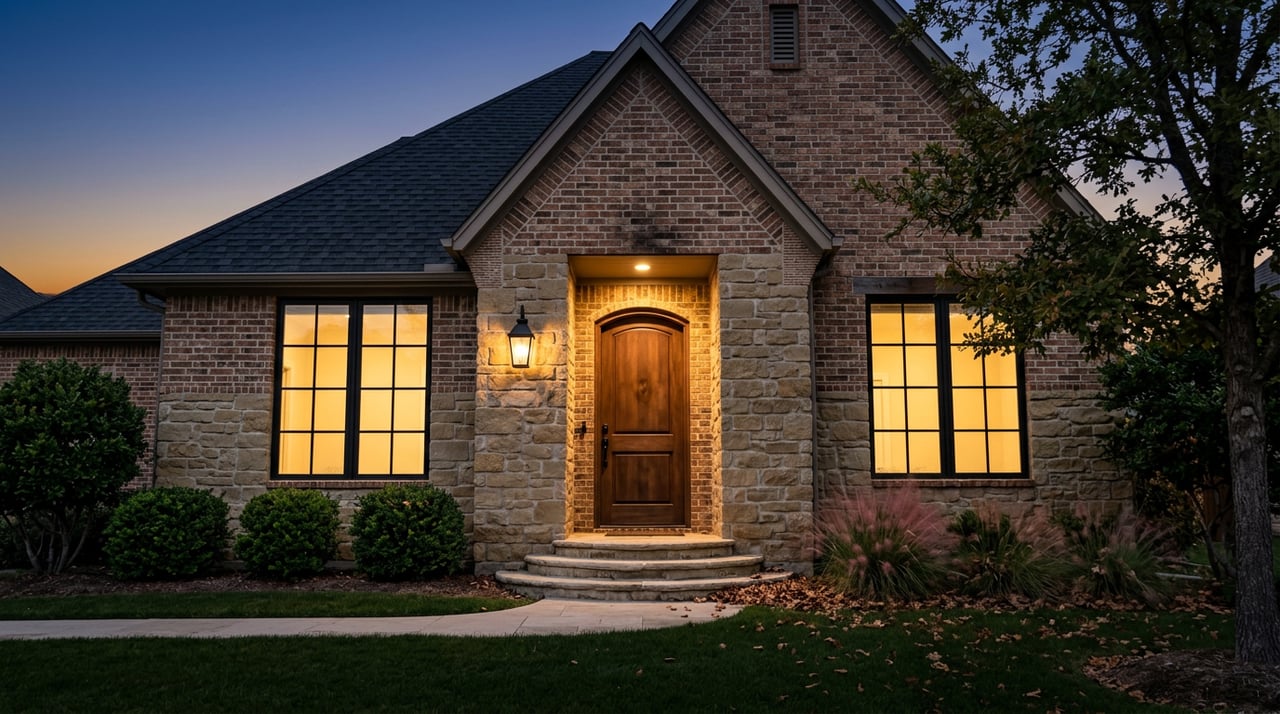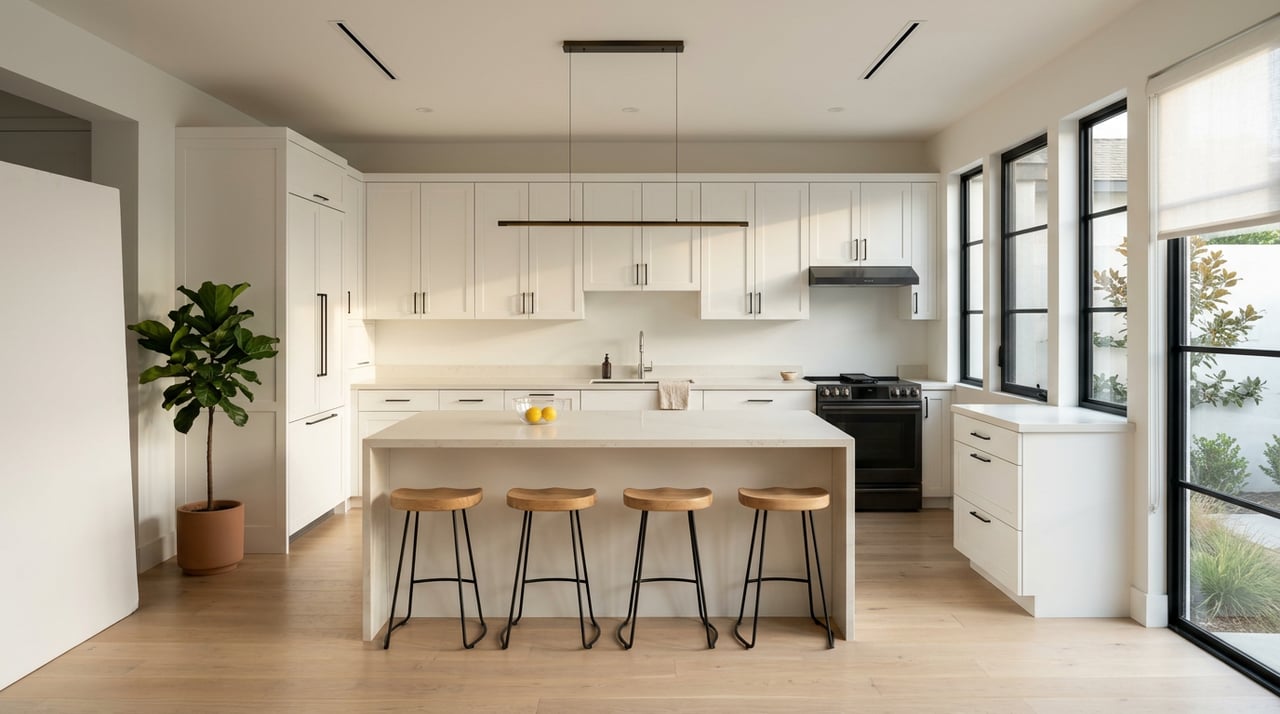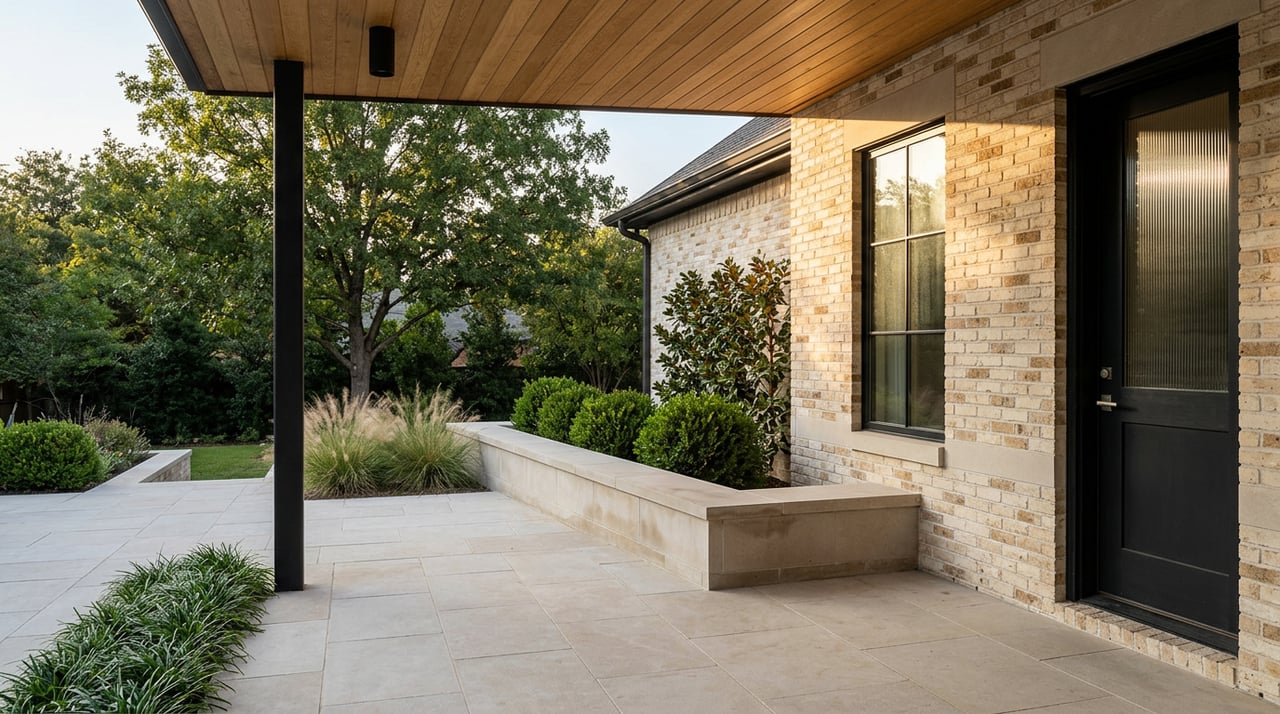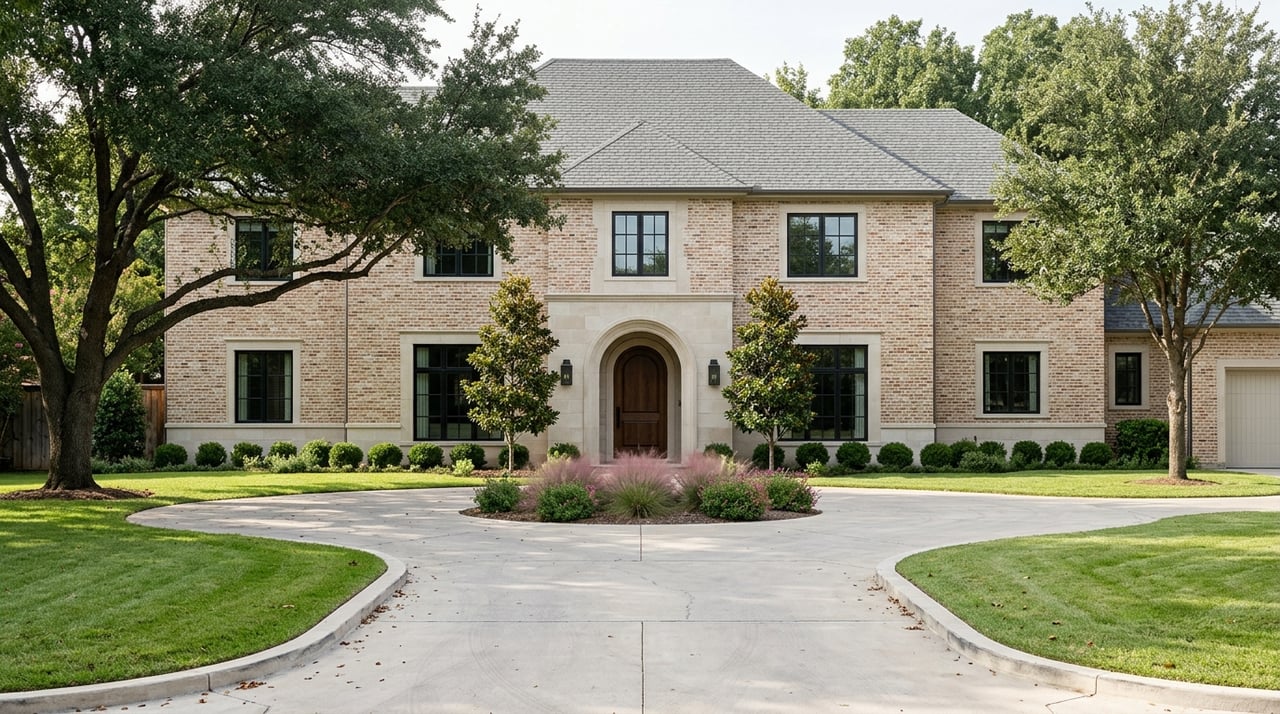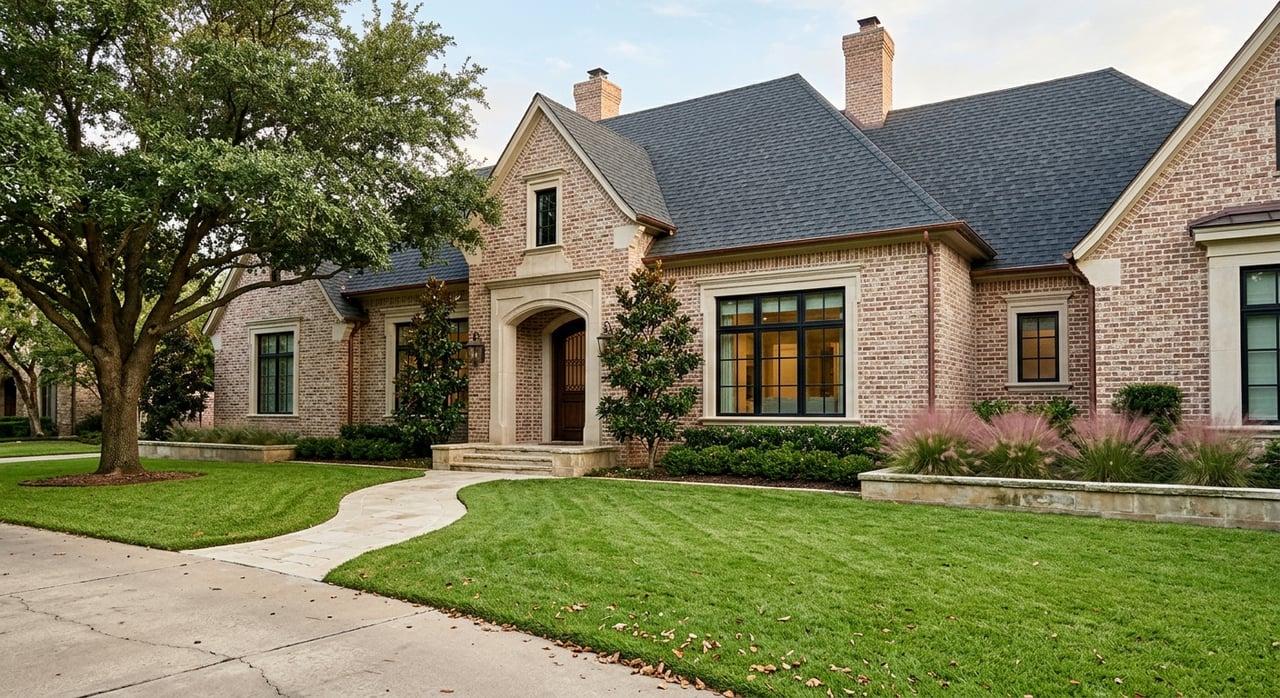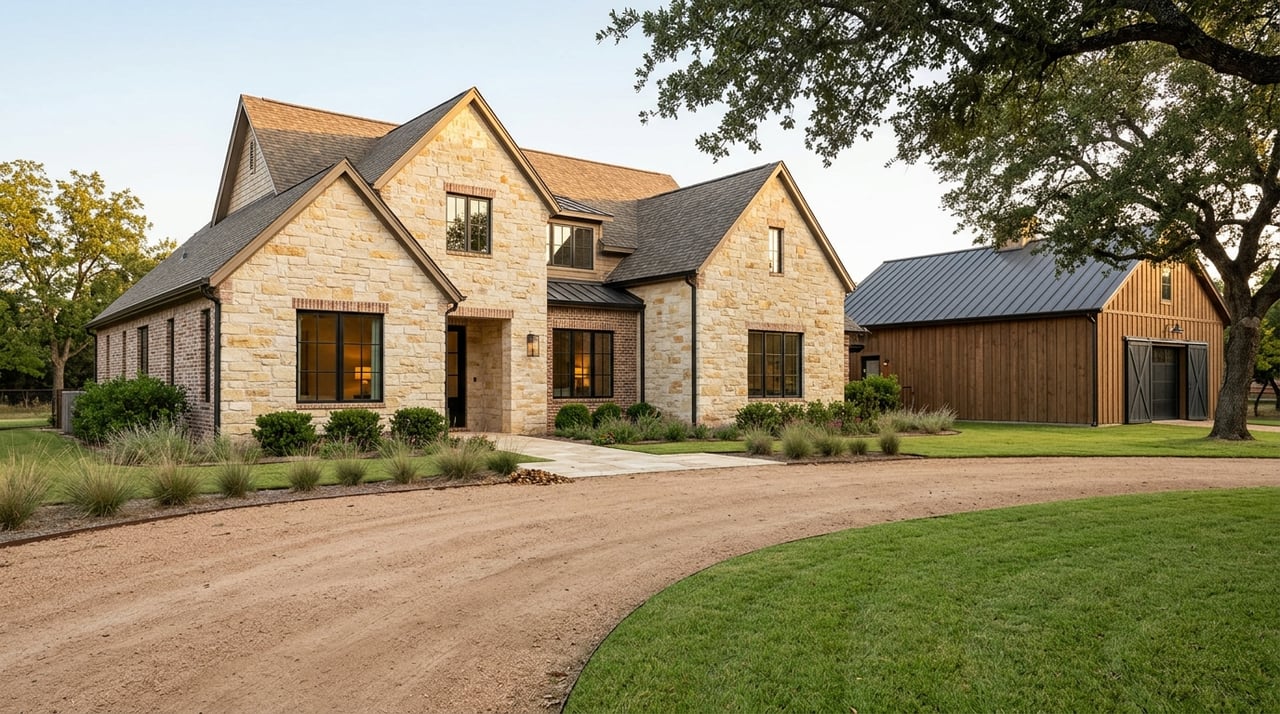
If you are selling acreage or a ranch home around Fort Worth or Aledo, you already know it is not the same as selling a typical suburban house. Buyers are weighing the home, the land, the improvements, and the lifestyle all at once, which means pricing and presentation need to be much more precise. In this guide, you will learn what makes these properties different, how to prepare them for market, and what helps attract serious buyers in this part of North Texas. Let’s dive in.
Why acreage homes sell differently
Fort Worth and the surrounding area continue to draw buyers who want more space while staying connected to the Metroplex. The U.S. Census Bureau reported Fort Worth at 1,008,106 residents in 2024, while the Dallas-Fort Worth-Arlington metro added nearly 178,000 residents from 2023 to 2024. Parker County also grew to 179,707 residents in 2024, up 21.2% from its April 2020 base.
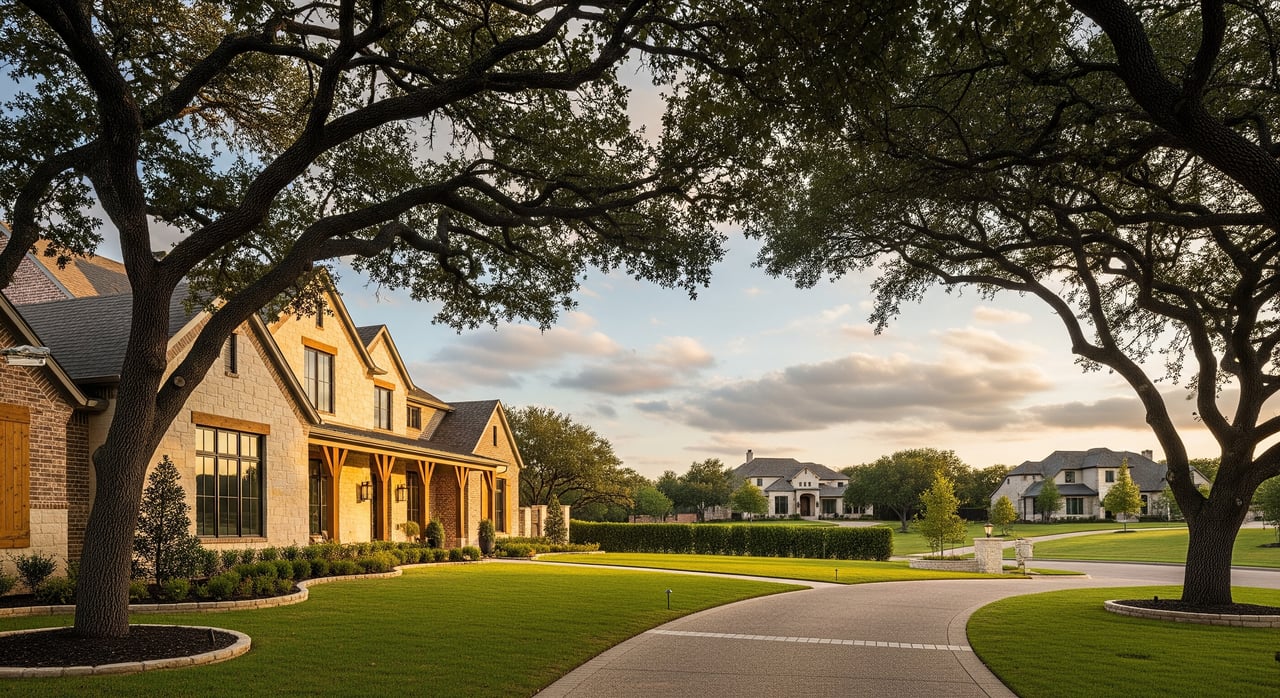
That growth matters if you are selling land-rich property. Many buyers are looking west of Fort Worth for elbow room, usable acreage, and a rural feel without giving up access to jobs, shopping, and everyday services. As a seller, that means your property is often being compared not just to nearby acreage listings, but also to homes in more traditional neighborhoods.
Fort Worth and Aledo price context
Local pricing shows a clear difference between central Fort Worth and the more acreage-friendly western markets. According to the Greater Fort Worth Association of REALTORS® November 2025 housing report, the median home price was $318,495 in Fort Worth and $336,450 in Tarrant County. In Parker County, the median was $474,500, and Aledo came in at $505,500.
Inventory also shifts as you move west. Fort Worth had 3.7 months of inventory and Tarrant County had 3.5, while Aledo was at 5.9 months. For sellers, that is an important reminder that acreage and ranch homes may need a more strategic launch, especially in markets where buyers have more options and expect strong presentation.
Price the land and home separately
One of the biggest mistakes sellers make is treating acreage property like a standard price-per-square-foot listing. Texas A&M’s Real Estate Research Center notes that statewide rural land prices remained resilient through 2024 and into early 2025, with a median of $4,776 per acre in 4Q2024 and $4,827 per acre in 1Q2025. But the same research makes clear that broad land data is not a substitute for a property-specific pricing analysis.
That is especially important because tract size changes value. According to Texas A&M’s research on small rural land tracts, smaller tracts usually sell at a higher price per acre than larger ones. A 5-acre ranchette, a 20-acre horse property, and a 100-acre ranch should not be priced using the same per-acre logic.
In real terms, buyers are evaluating several pieces at once:
- The home itself
- The acreage size and layout
- Access and road frontage
- Utilities and water availability
- Fencing, barns, sheds, and other improvements
- Pasture condition, ponds, and overall usability
This is why acreage pricing works best when the home value, land value, and improvement value are considered together, not blended into one rough estimate.
Land details can change value
With acreage property, details that barely come up in a neighborhood sale can play a major role. Texas A&M’s broader Texas rural land market research points to factors like mineral rights, water issues, wildlife management, and eminent domain as meaningful influences on land value and buyer interest.
For a seller around Fort Worth or Aledo, that means the story of the property matters. If you have usable pasture, a pond, good fencing, functional barns, or strong road access, those features need to be identified and presented clearly. If there are limitations, those should be understood early so the listing can be positioned honestly and effectively.
Understand ag valuation before listing
If your property has an agricultural or open-space appraisal, tax treatment is another topic buyers may ask about quickly. The Texas Comptroller explains that qualified agricultural or open-space land is taxed on productivity value rather than market value. The Comptroller also notes that the 2026 cap rate is 10.00%.
Just as important, if land receiving agricultural appraisal changes to a non-agricultural use, the owner who changes the use may owe rollback tax. That does not affect every transaction in the same way, but it is a key issue to understand before your property goes on the market. Clear information up front can help avoid confusion later during buyer due diligence.
Prep the house and the land
Acreage listings usually need a two-part preparation plan. The house should be handled like any well-marketed home, while the land and exterior improvements need their own checklist.
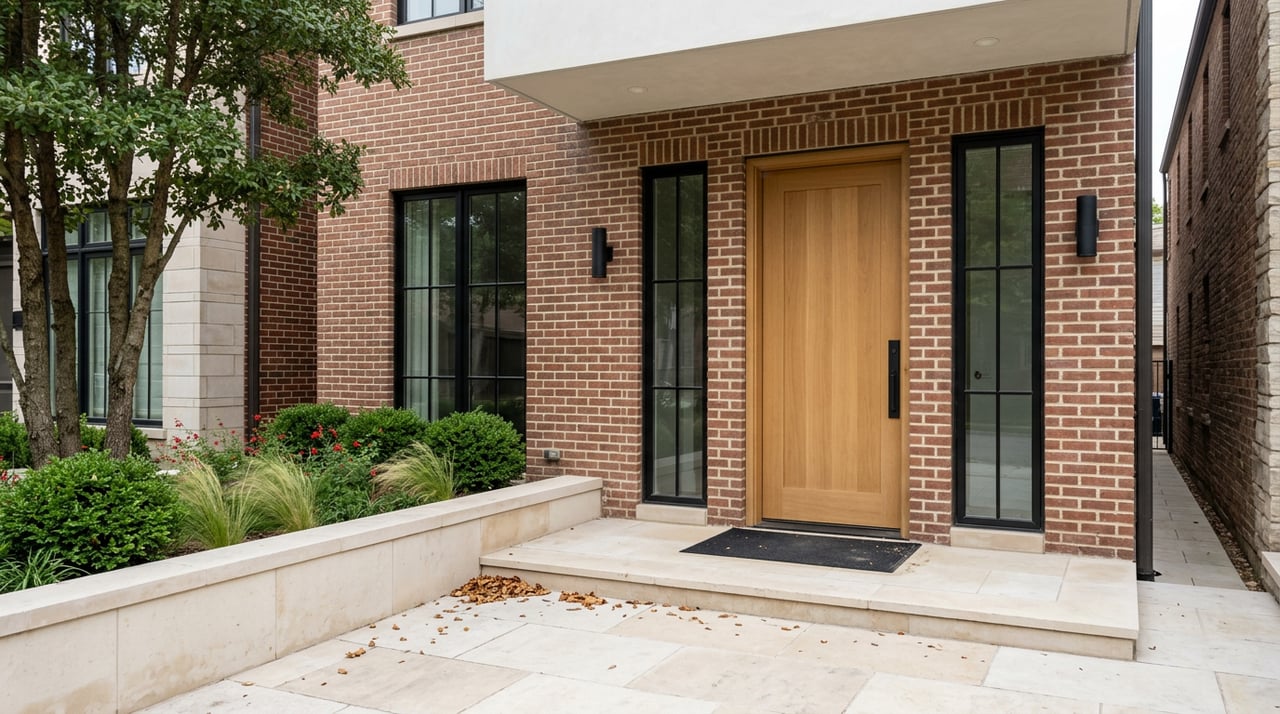
Texas REALTORS® recommends that sellers use real market data rather than quick online estimates, and improve appeal by cleaning, decluttering, removing personal items, making cosmetic repairs, and improving landscaping. For acreage property, that same advice extends beyond the front door.
Home preparation checklist
Before listing, focus on the residence first:
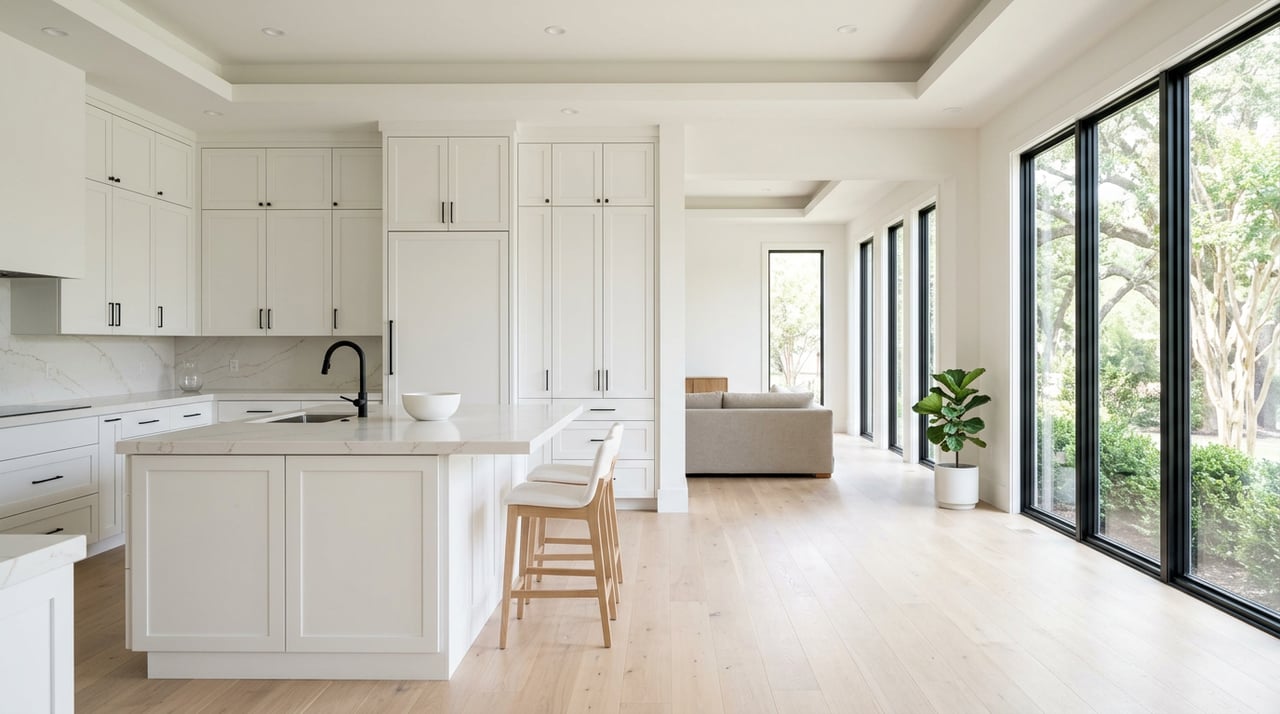
- Deep clean the interior
- Remove excess furniture and personal items
- Tackle visible cosmetic repairs
- Freshen paint if needed
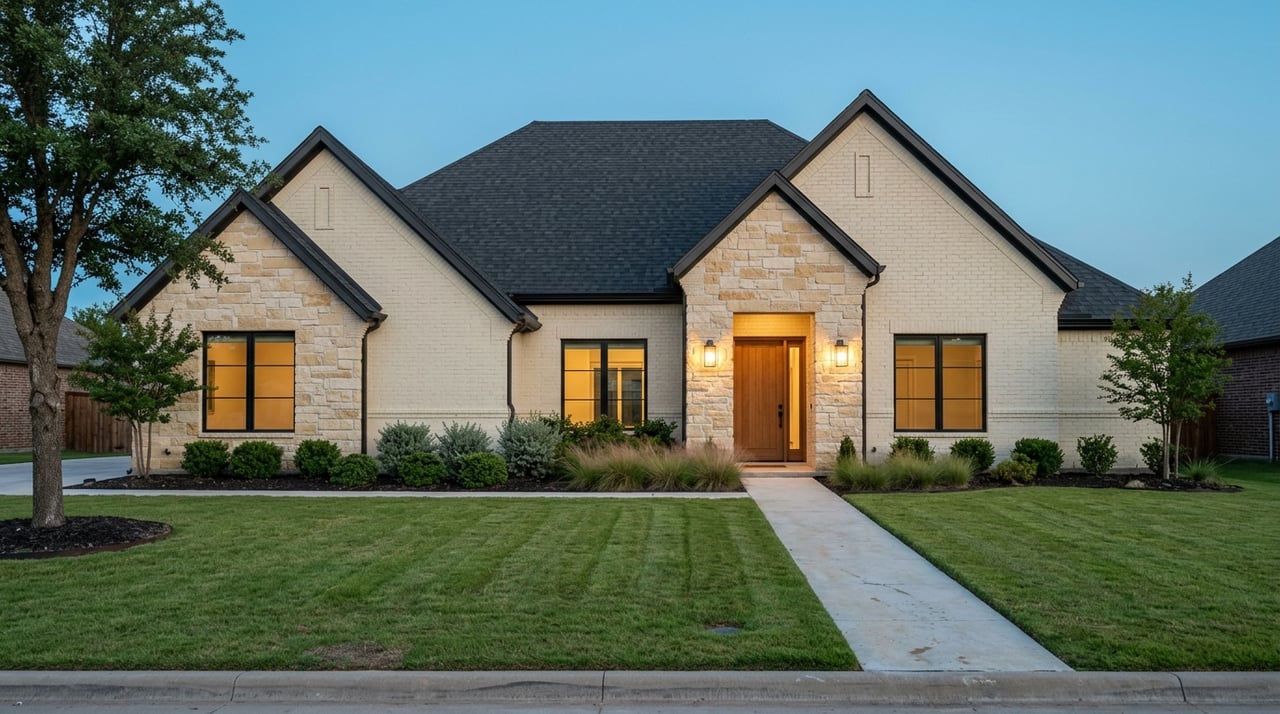
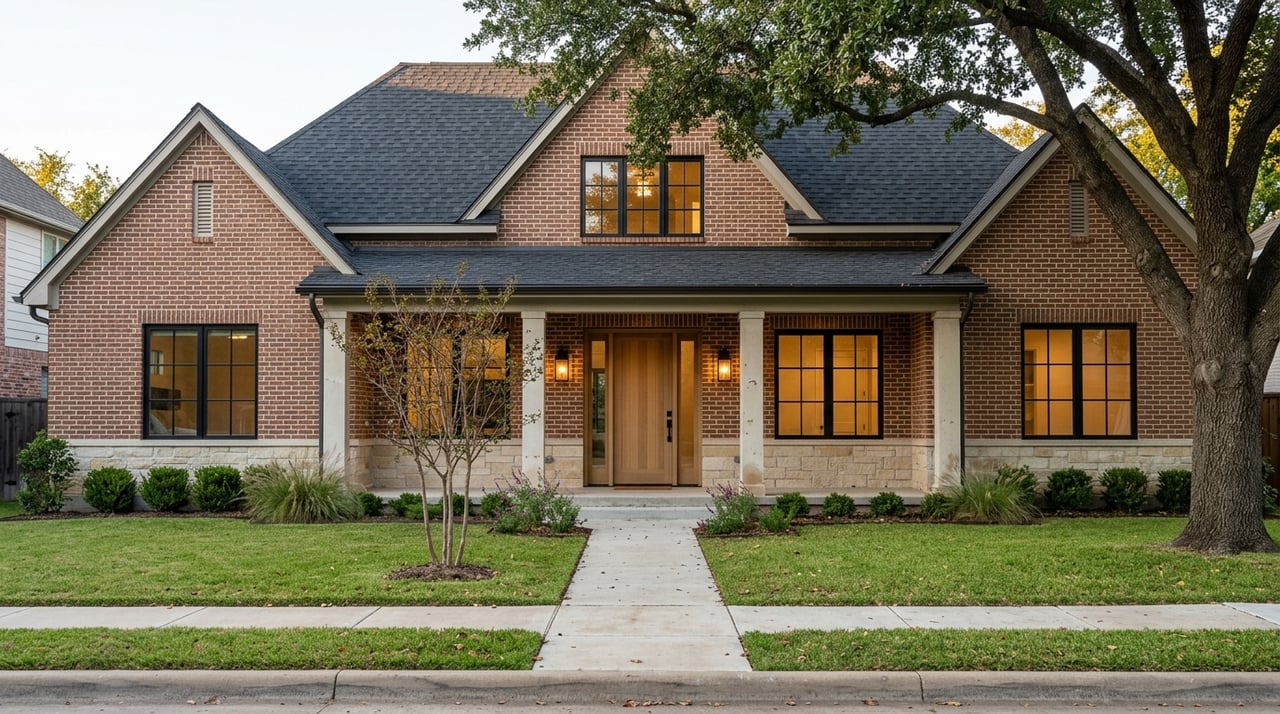
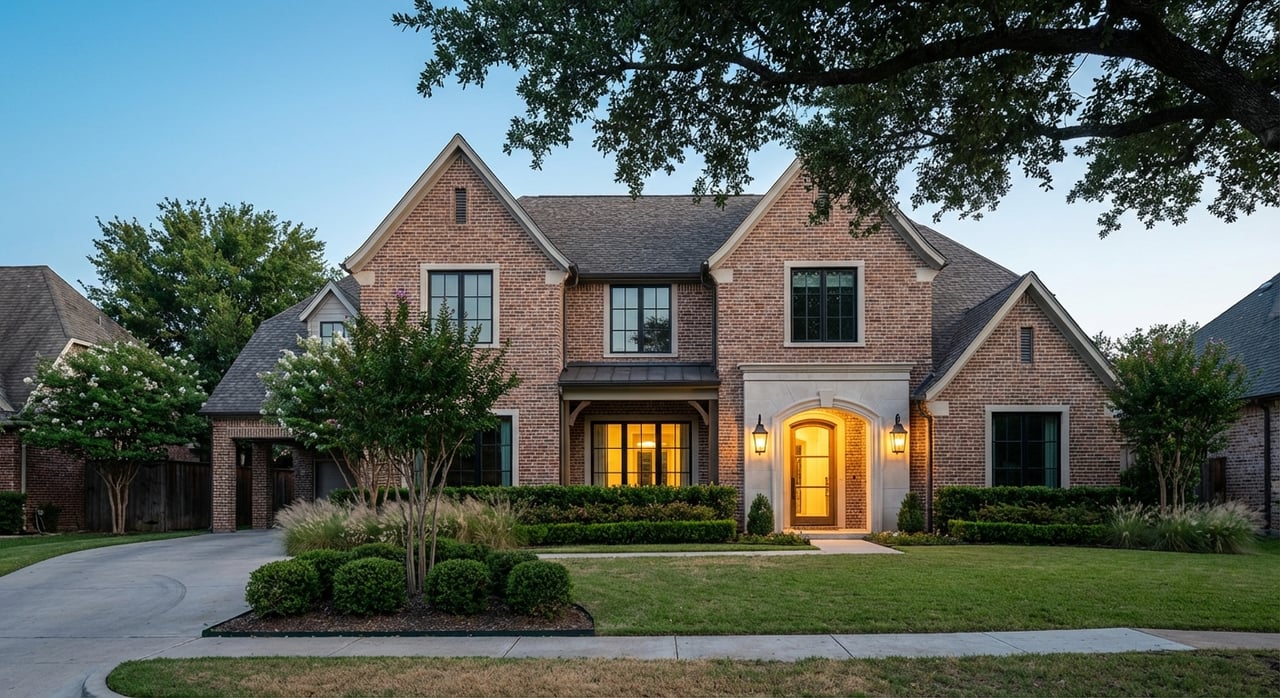
- Improve curb appeal around the main home
These steps help buyers focus on the property itself instead of distractions. Even when land is the headline feature, the house still plays a major role in emotional first impressions.
Land and outbuilding checklist
Then turn to the rest of the property:
- Make sure gates open smoothly
- Clear and tidy driveways and access points
- Organize barns, sheds, and storage areas
- Repair or straighten fencing where possible
- Mow or manage overgrown areas
- Highlight usable sections of pasture or open land
Buyers do not just want to see acreage. They want to understand how the acreage functions. A property that feels maintained and usable is often easier for buyers to evaluate with confidence.
Wells and septic deserve attention
Many ranch homes and acreage properties include systems that suburban buyers may not be used to evaluating. That is why wells and septic systems should be addressed before listing when possible.
The Texas Commission on Environmental Quality says a mortgage company may require an evaluation of an on-site sewage facility before closing. The Texas Water Development Board also notes that Texas does not regulate the water quality of private wells, so the owner is responsible for water-quality issues.
The Water Development Board adds that private well testing may range from about $20 for basic bacteria testing to around $400 for a fuller analysis. You may not need every test in every situation, but having a plan for wells and septic can reduce surprises and strengthen buyer confidence.
Strong visuals matter more here
Acreage properties are visually complex. Buyers are trying to understand the relationship between the home, the land, the driveway, the outbuildings, and the surrounding setting. That is why photos and video often matter even more than they do in a typical residential listing.
The National Association of REALTORS® found in its 2025 Profile of Home Staging snapshot that 83% of buyers’ agents said staging helped clients visualize a property as a future home. The same report also showed that photos, videos, and virtual tours are important to buyers’ agents, with photos especially influential.
For ranch and acreage homes, your visual package should help buyers answer practical questions quickly. They need to see the home, but they also need to see the barn, fencing, pasture, topography, driveway access, and distance between improvements. Better visuals create better-qualified interest.
Aerial marketing has rules
Drone photography can be especially useful for larger parcels because it helps buyers understand layout and scale. But aerial media is not something that should be handled casually.
The Federal Aviation Administration says flying a drone for work or business generally requires compliance with Part 107, including a Remote Pilot Certificate and drone registration. Registered drones must also comply with Remote ID requirements.
For sellers, the takeaway is simple. Aerial media can be powerful, but it should be done by a compliant professional who can capture the property safely and legally.
Attract qualified buyers, not just clicks
Acreage and ranch homes appeal to a wider mix of buyers than standard homes do. Some are looking for a full-time residence with more land. Others are focused on livestock use, horse facilities, recreation, or long-term land value.
That variety can be helpful, but it also means some buyers may not be prepared for the realities of a rural property purchase. Texas A&M’s rural land research highlights issues like mineral rights, water, wildlife, and eminent domain as part of the land-buying process. The more clearly your listing addresses these subjects, the more likely you are to attract serious, informed buyers and avoid wasted showings.
Why strategy matters in Fort Worth and Aledo
Selling acreage around Fort Worth and Aledo means marketing a property that sits between two worlds. Buyers are often seeking rural space and privacy while still valuing access to the broader Fort Worth market. That makes your pricing, property preparation, and marketing strategy especially important.
At Pickard Real Estate Group, that kind of sale benefits from a boutique, hands-on plan that treats the home, the land, and the buyer experience as separate but connected parts of the same listing. From pricing guidance and vendor coordination to polished digital marketing, the goal is to help your property stand out for the right reasons. If you are thinking about selling, connect with Pickard Real Estate Group to start building a strategy around your home’s land, improvements, and market position.
FAQs
How is pricing different for acreage homes around Fort Worth and Aledo?
- Acreage homes are usually priced by looking at the house, land size, tract type, access, utilities, and improvements separately rather than relying on one price-per-square-foot formula.
What should sellers fix before listing a ranch home in Parker County or Tarrant County?
- Sellers should prepare both the residence and the land by cleaning and repairing the home, then addressing gates, fencing, driveways, barns, sheds, and overall land presentation.
Do aerial photos help sell ranch and acreage property near Fort Worth?
- Yes, aerial photos can help buyers understand layout, scale, and improvements, but they should be created by a professional following FAA commercial drone rules.
What should sellers know about ag exemption or open-space appraisal in Texas?
- Qualified land may be taxed on productivity value instead of market value, and a change to non-agricultural use may trigger rollback tax depending on the situation.
Should sellers test wells or inspect septic systems before selling acreage property?
- It can be helpful because buyers and lenders may ask for septic evaluation, and private well owners are responsible for water quality, so early information may reduce delays and surprises.