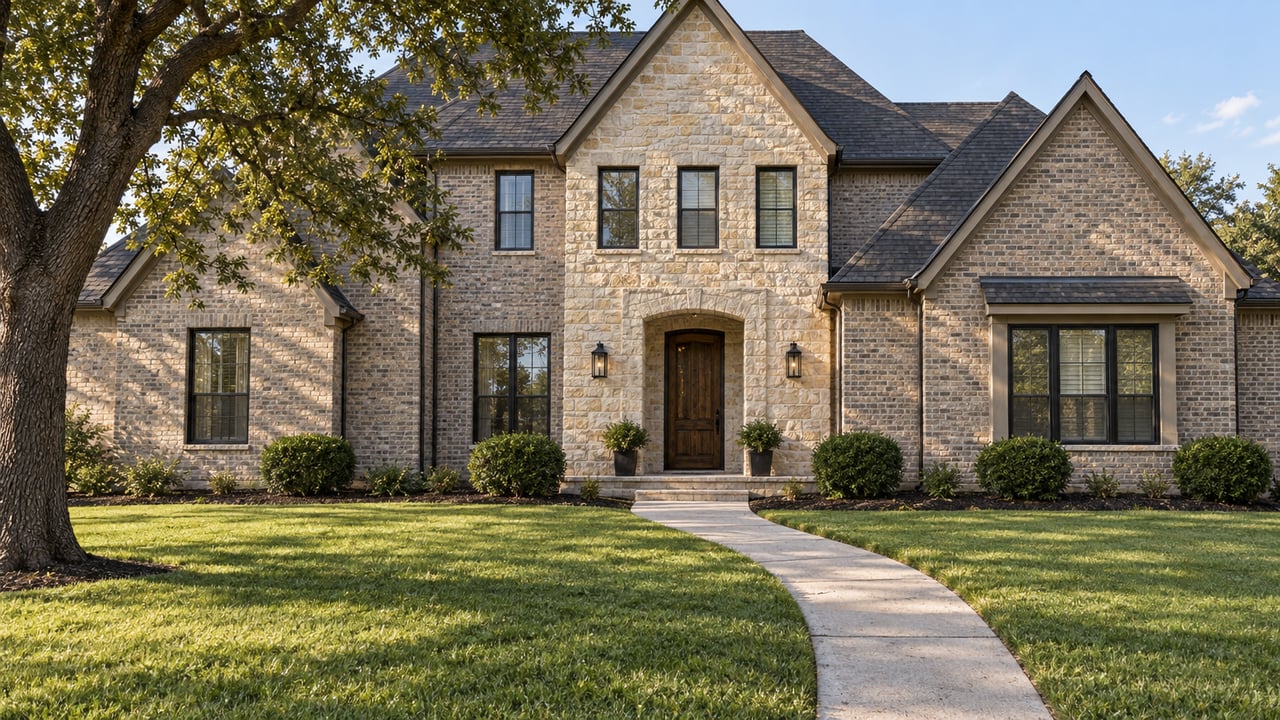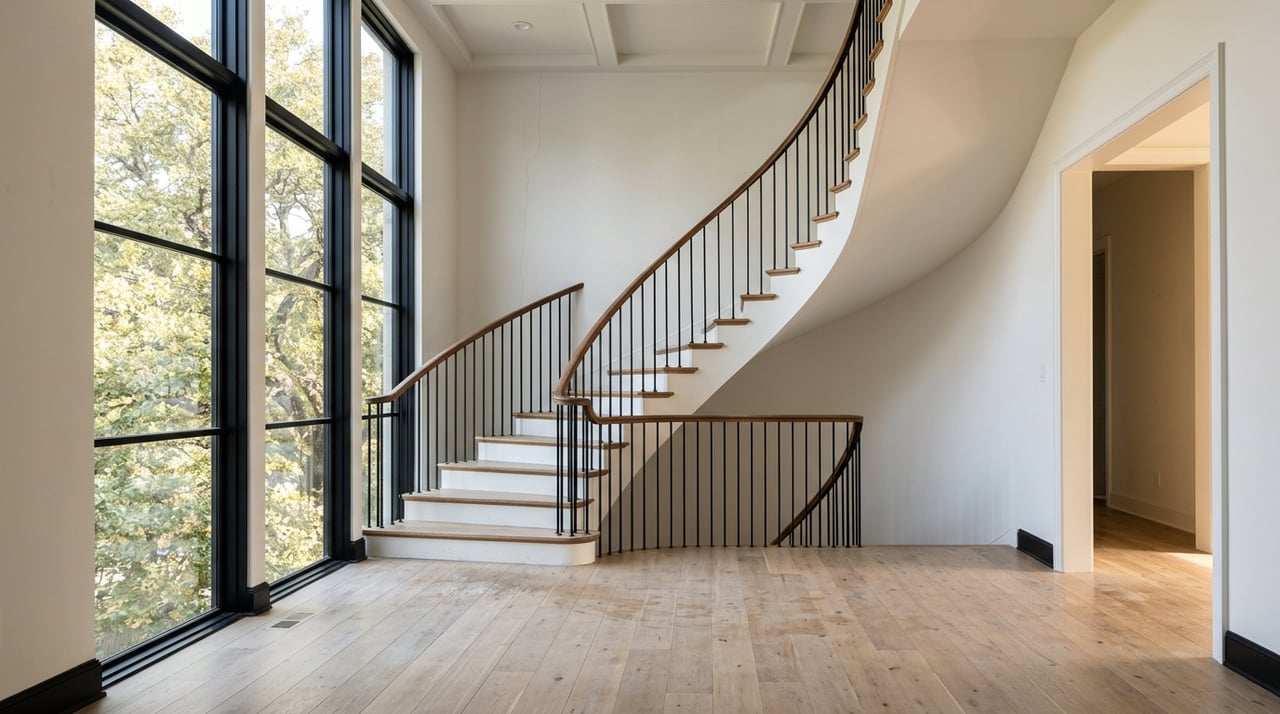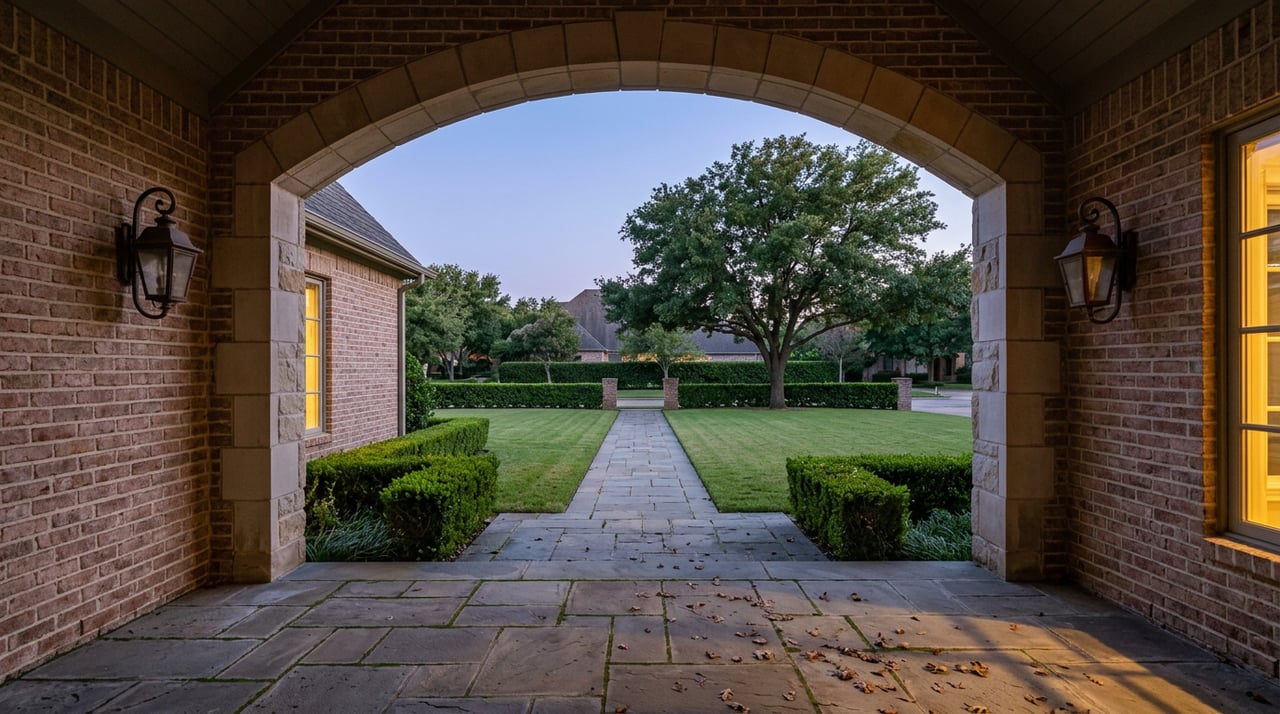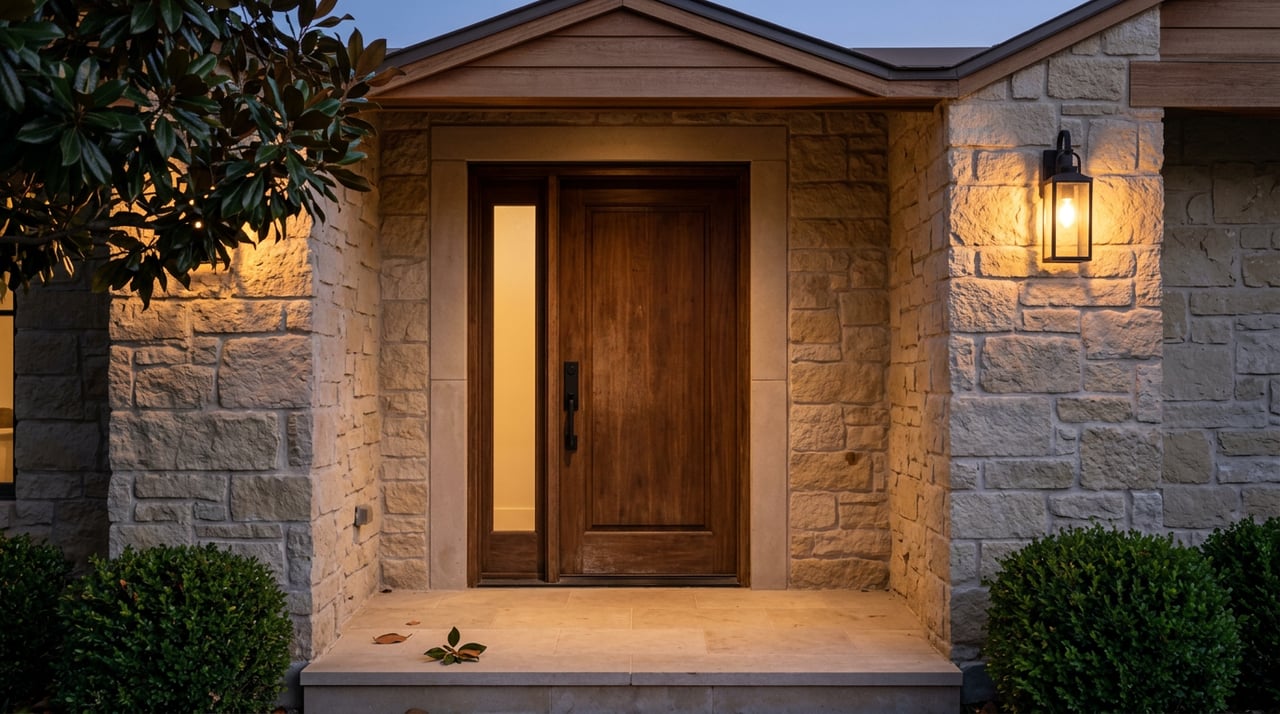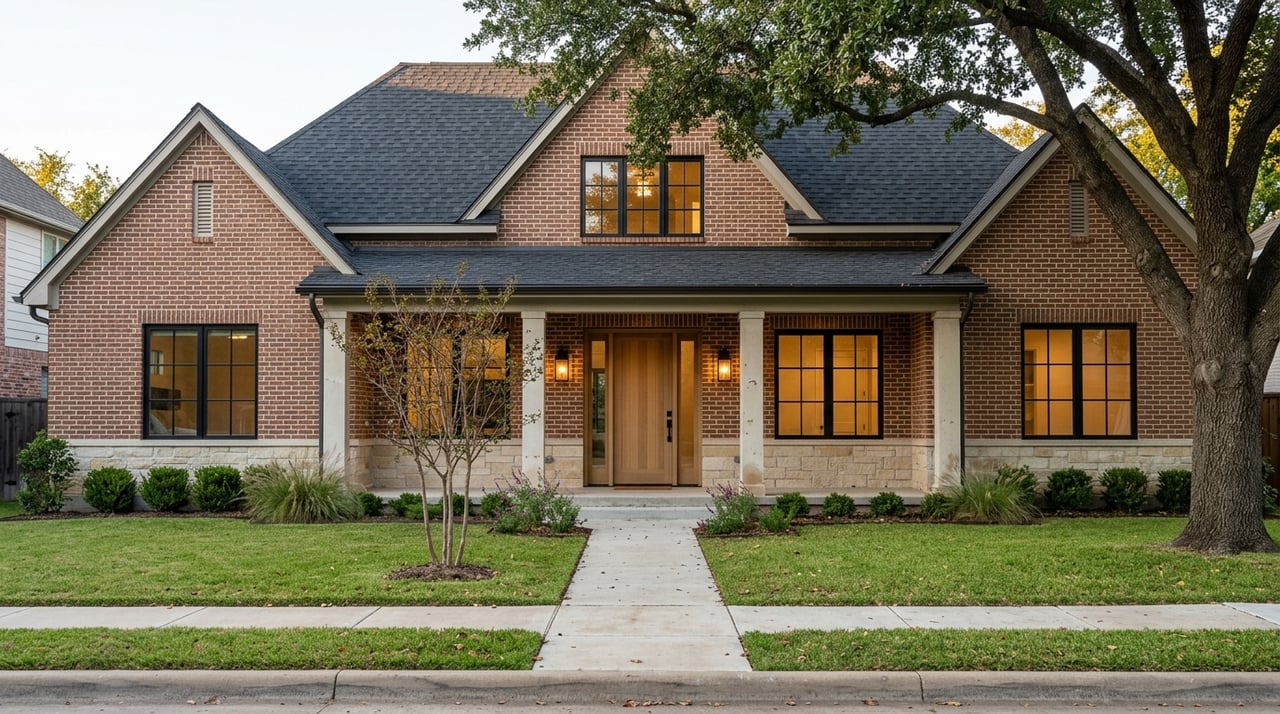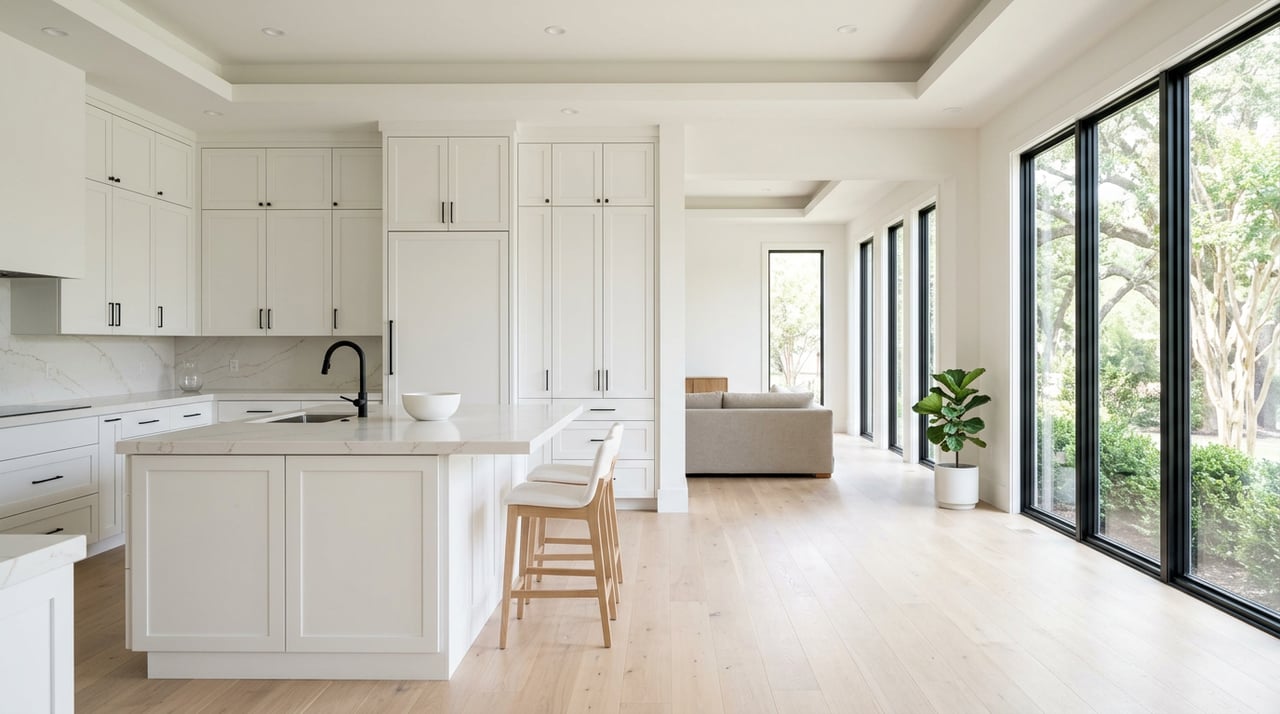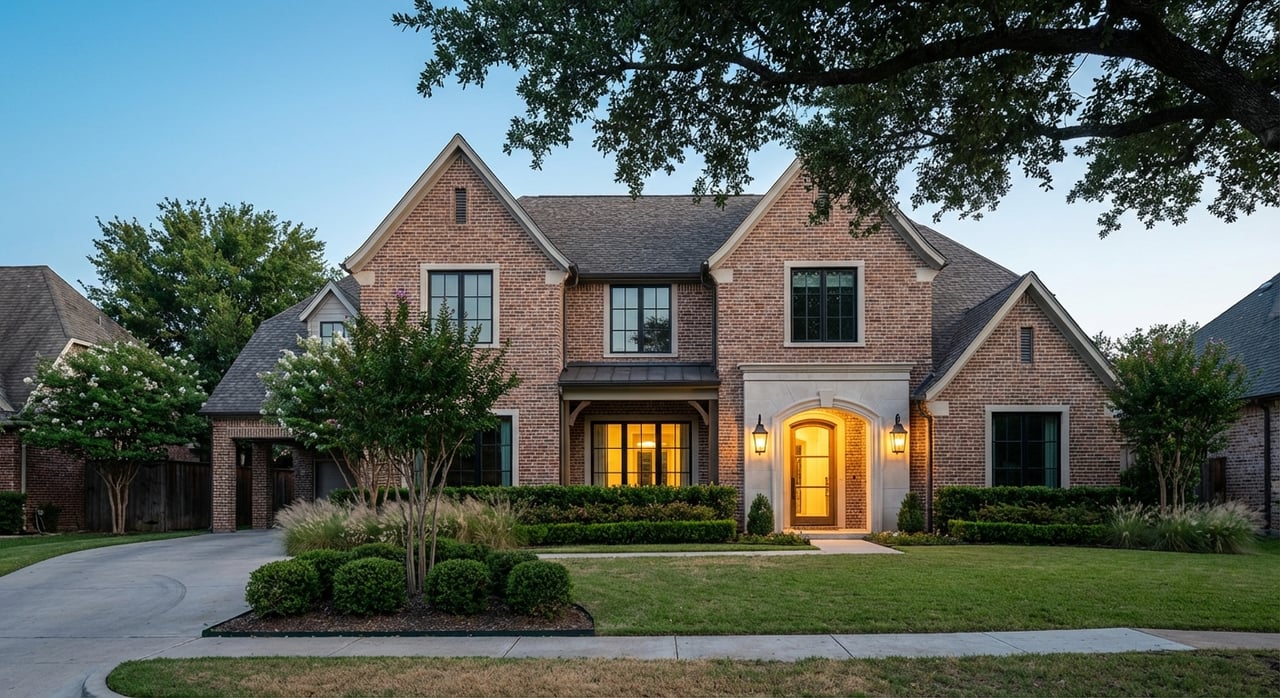
Trying to choose between a brand-new home and an established one in Frisco, Plano, or McKinney? It is a common North Texas question, and the answer is rarely as simple as “new is better” or “older has more charm.” If you are weighing lifestyle, monthly cost, timing, and long-term fit, this comparison can help you sort through the real trade-offs. Let’s dive in.
Why this comparison matters in North Texas
Frisco, Plano, and McKinney may share the same North Dallas suburban orbit, but they offer different housing experiences. Based on Census QuickFacts, Frisco has the highest median owner-occupied home value of the three at $642,100, while Plano is $465,900 and McKinney is $471,800. That gap alone tells you these markets do not behave exactly the same way.
Their planning priorities also shape what you will find on the ground. Frisco’s long-range planning addresses housing, neighborhoods, and redevelopment while guiding future development requests. Plano leans heavily into redevelopment, heritage districts, and infill-style review, while McKinney balances continued growth with downtown preservation and broader comprehensive planning.
What new construction offers
New construction appeals to buyers who want a more predictable start. In the Dallas-Fort Worth market, builders commonly promote code-current construction, energy-conscious features, smart-home technology, and builder-backed warranties. That combination can feel especially attractive if you want fewer immediate repair surprises after move-in.
Many new-home communities also offer a polished, streamlined experience. You may be able to choose a floor plan, select finishes, and move into a home with brand-new systems and appliances. For busy households or relocating buyers, that convenience can be a major plus.
New-home perks buyers often like
- Newer building standards and systems
- Energy-conscious features marketed by builders
- Smart-home features in many communities
- Builder warranties, which vary by company
- Community amenities and organized HOA structures
- Less immediate renovation or repair work at move-in
The budget is not always the base price
This is one of the biggest misunderstandings with new construction. Builder incentives can be attractive, and current DFW examples show offers such as closing-cost help, price reductions on select homes, or move-in packages. But the starting price is often not your final number.
Community materials also note that base prices may not include lot premiums, site costs, design upgrades, structural options, or customizations. That means the home that fits your needs on paper may end up costing more than expected once you choose the lot and finishes you actually want.
HOAs are often part of the package
In many newer master-planned communities, HOA membership is mandatory. That is not automatically a negative, but it does mean you should review the details carefully. In Texas, properties with mandatory HOA membership use TREC addendum and resale-certificate forms, and buyers should review restrictions, bylaws, rules, assessments, and any right-of-first-refusal language before closing.
What established homes offer
Established resale homes stay competitive for good reasons. They are often found in neighborhoods with more mature landscaping, more variation in home age and style, and a broader mix of lot shapes and sizes. If you want a neighborhood that feels more settled and less uniform, resale may give you more options.
This is especially relevant in cities with stronger redevelopment and preservation patterns. Plano’s official pages highlight heritage districts and landmarks, McKinney’s downtown policy balances preservation with new development, and Frisco’s planning also addresses redevelopment and neighborhood sustainability. In simple terms, older housing stock still plays an important role in all three cities.
Resale homes can offer more variety
When you shop established homes, you may see more differences from one street to the next. Some buyers love that because it can mean less of a cookie-cutter feel. You may also find lot configurations or neighborhood layouts that are less common in newer communities.
That said, variety usually comes with more homework. A resale home may have updates, deferred maintenance, or older systems that need closer review. The trade-off is flexibility and character versus predictability.
Resale requires more document review
Texas resale transactions often involve more disclosures and condition review. TREC requires a Seller’s Disclosure Notice for previously occupied single-family residences. If the property has mandatory HOA membership, buyers also need to review the relevant HOA documents and a current resale certificate.
TRERC notes that resale certificates are time-limited and that the actual documents should be delivered, not just a web link. For you as a buyer, that means the resale path works best when you are comfortable studying documents, inspections, neighborhood rules, and possible repair needs.
How Frisco, Plano, and McKinney differ
The new-versus-established choice looks different in each city. While there is overlap, each market tends to push buyers in a slightly different direction.
Frisco: strongest new-construction feel
Frisco tends to skew most toward new construction and higher-priced housing. It has the highest median owner-occupied value of the three cities, and active communities continue to add builders, phases, and multiple homesite widths. If you want newer product, master-planned amenities, and a wider pool of brand-new options, Frisco often stands out.
The flip side is cost. In Frisco, lot premiums and HOA costs can have a bigger impact on your total budget. If you are comparing homes here, focus on your full monthly payment, not just the advertised starting price.
Plano: strongest established-home feel
Plano is generally the most built-out in housing form. The city’s development focus centers on redevelopment, heritage preservation, and zoning review, and current new construction examples are more infill or mixed-use in style than large-scale suburban new-home expansion. That makes Plano a natural fit if you prefer established neighborhoods and a more mature housing landscape.
You can still find newer options in Plano, but they may not look like the large master-planned communities common elsewhere. If convenience, redevelopment areas, and established neighborhood fabric matter most to you, Plano is often worth a closer look.
McKinney: the middle-ground option
McKinney often feels like the compromise choice between Frisco and Plano. The city continues to plan for growth, but it also protects historic character in key areas and manages redevelopment alongside expansion. At the same time, active master-planned communities still offer a range of homesite widths.
For many buyers, that makes McKinney the best middle ground. You may be able to find newer construction without giving up as much neighborhood maturity as you might in a more heavily new-build environment.
Four questions to guide your choice
If you feel torn, these four filters can simplify the decision.
1. What is your true monthly payment?
Do not stop at the list price or base price. Compare mortgage payment, property taxes, HOA dues, and in new construction, any lot premium or upgrade costs rolled into the final purchase. In markets like Frisco, this can change the comparison quickly.
2. How fast do you need to move?
If your timeline is tight, an established home may offer more immediate options. Some new homes are move-in ready, but others may depend on build stage, release timing, or community inventory. Your ideal home is not ideal if it does not line up with your schedule.
3. How important are lot size and neighborhood feel?
New communities often have more standardized homesites. Research examples in Frisco and McKinney show common lot-width product groupings such as 40-, 45-, 50-, 60-, and 65-foot homesites. If you want more lot variation or a less uniform streetscape, established areas may offer better odds.
4. How much maintenance are you willing to take on?
If you want a low-hassle start, new construction may feel safer. If you are comfortable with inspections, possible repairs, and the reality that older homes may need updates over time, an established home can still be an excellent value. This is often more about your comfort level than the home itself.
Which type of home fits you best?
A new construction home may be the better fit if you want current finishes, builder-backed warranties, and a more turnkey move. That is often appealing for relocations, busy professionals, and buyers who want a predictable setup in a master-planned environment.
An established home may be the better fit if you value neighborhood maturity, more variation in home style, and the chance to prioritize lot shape, setting, or long-term character. It can also be the stronger choice if you are comfortable evaluating condition and planning for future maintenance.
In Frisco, Plano, and McKinney, there is no universal winner. The better option is the one that matches your budget, move timeline, comfort with maintenance, and the kind of neighborhood experience you want day to day.
If you are weighing a move in Frisco, Plano, or McKinney, the right guidance can save you time and help you compare the real costs behind each option. The team at Pickard Real Estate Group can help you evaluate new construction and established homes with a clear plan that fits your goals.
FAQs
What is the main difference between new construction and established homes in Frisco, Plano, and McKinney?
- New construction typically offers newer systems, builder warranties, and master-planned community amenities, while established homes often offer more mature neighborhoods, more variation in home style, and a wider range of lot characteristics.
Is Frisco the best city for new construction homes?
- Frisco generally has the strongest new-construction profile of the three, with higher-priced housing, active communities, and more brand-new inventory, but your best fit still depends on budget, HOA costs, and preferred neighborhood style.
Does Plano have fewer new construction options than Frisco or McKinney?
- Plano tends to be more built-out and redevelopment-focused, so new construction there is often more infill or mixed-use in style rather than large master-planned suburban product.
Is McKinney a good middle-ground market for homebuyers?
- Yes. McKinney often offers a balance of continued new-home growth and more established neighborhood character, making it a practical middle-ground option for many buyers.
What extra costs should buyers watch for with new construction homes in North Texas?
- Buyers should look beyond the base price and review lot premiums, site costs, design upgrades, structural options, customizations, HOA dues, and the effect those items have on the total monthly payment.
What documents matter most when buying an established resale home in Texas?
- Buyers should closely review the Seller’s Disclosure Notice, inspection findings, and if the home has mandatory HOA membership, the restrictions, bylaws, rules, assessments, and current resale certificate.