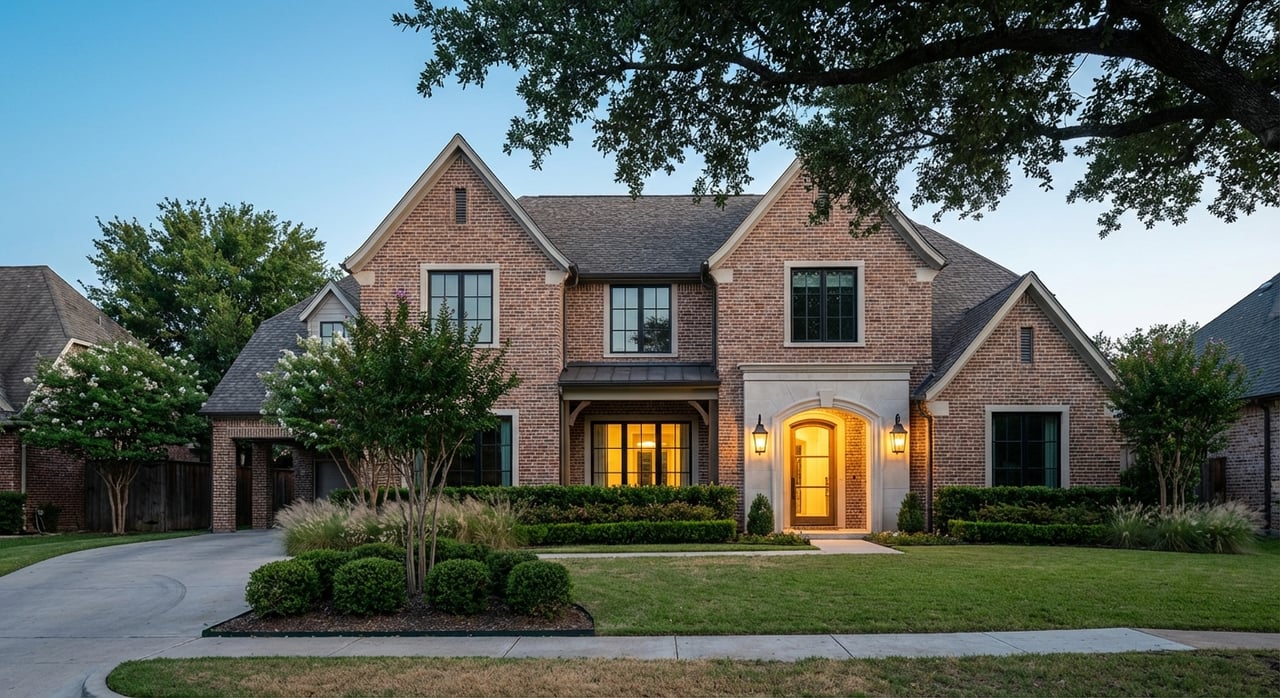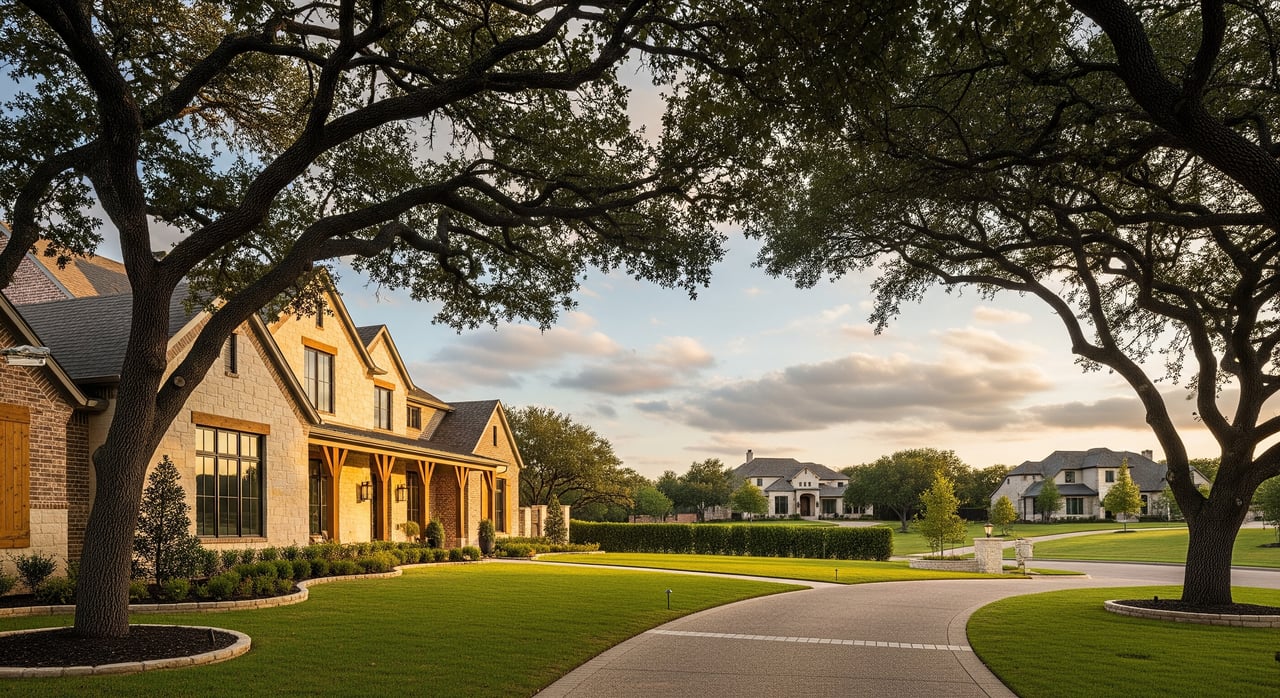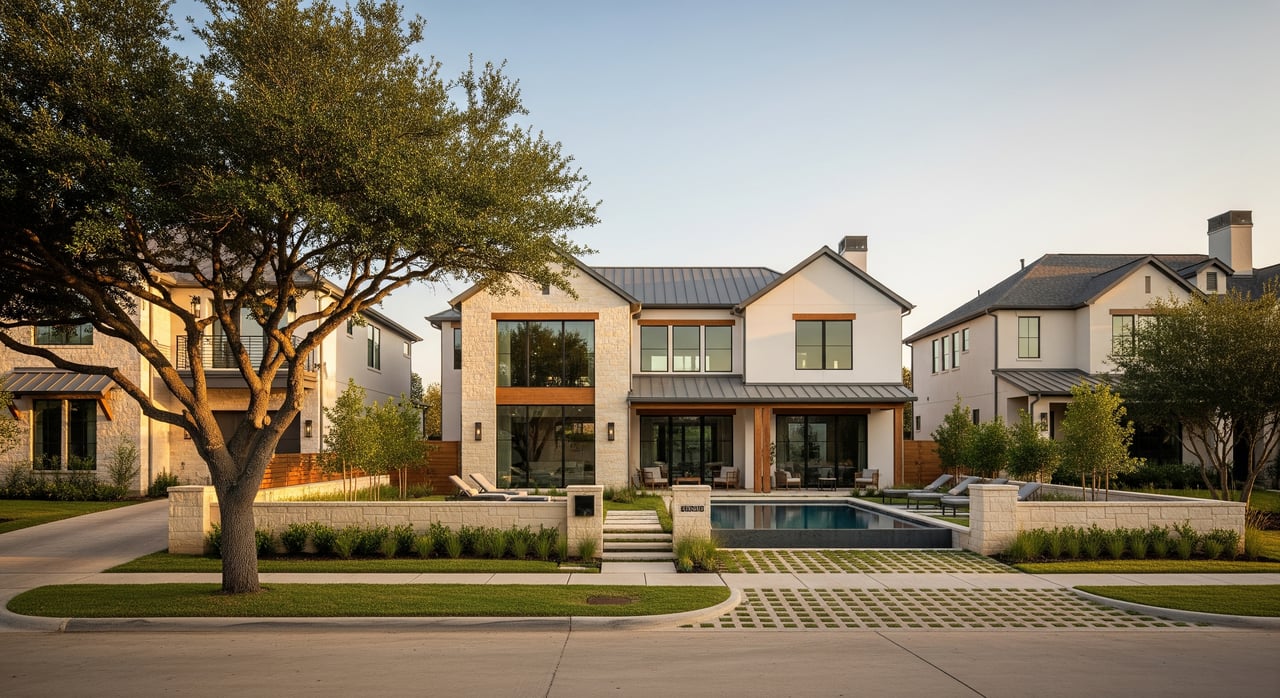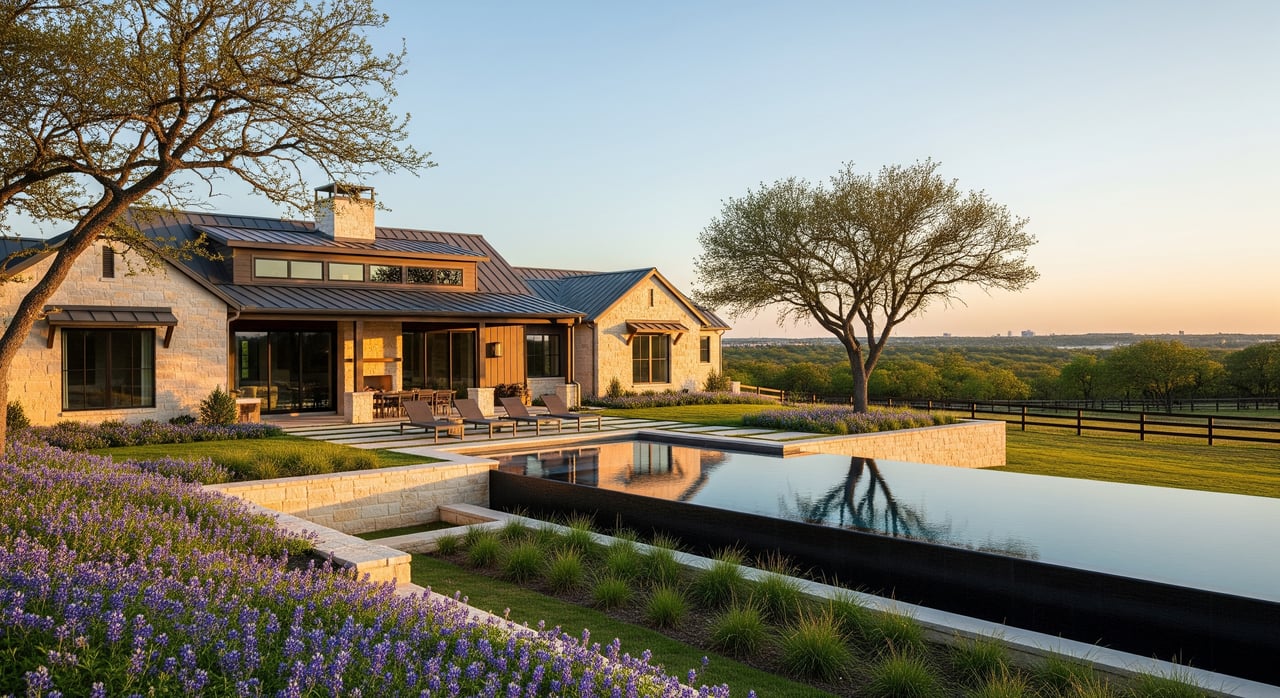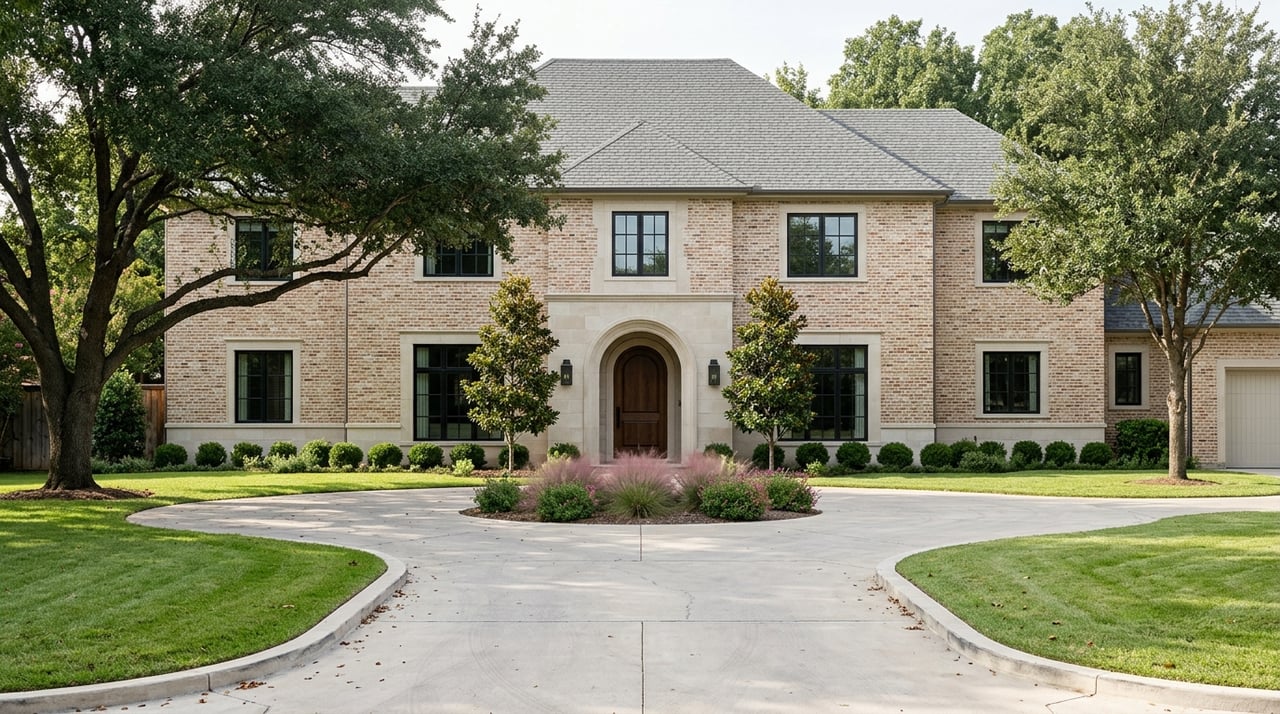
Wondering what really separates an estate home from an acreage property in Argyle and Flower Mound? If you are comparing larger lots in North Texas, the answer is not just about square footage. It also comes down to zoning, utilities, permits, maintenance, and how hands-on you want ownership to be. This guide will help you understand what acreage and estate living usually means in these two markets, what to look for before you buy or sell, and where the biggest practical differences show up. Let’s dive in.
What estate and acreage homes mean here
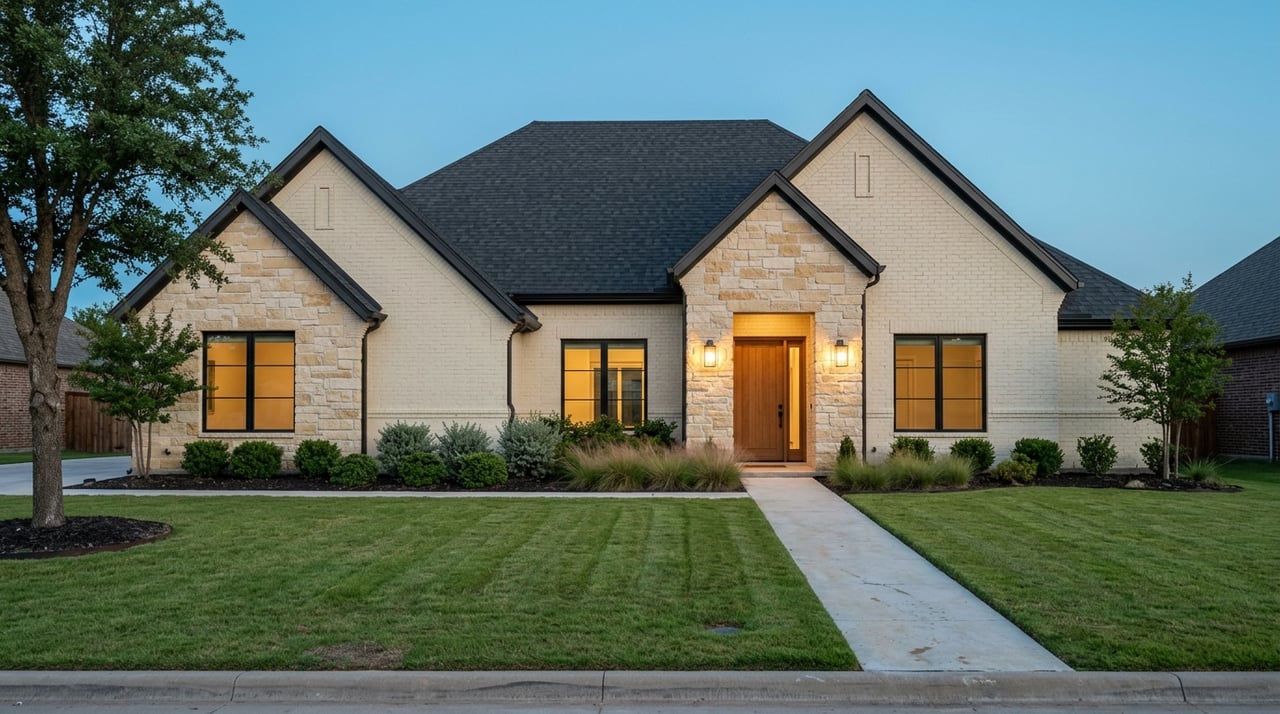
In Argyle and Flower Mound, larger-lot living does not fit one exact definition. In Argyle, estate-style living can include homes on 1 to 2 acres, while many properties also extend into 5 to 10 or more acres. The town describes housing here as ranging from small-lot homes to expansive custom homes on multiple acres.
Flower Mound defines these property types more closely through zoning. Its residential standards show a 1-acre minimum in the SF-E estate district and a 2-acre minimum in Agricultural zoning. The town’s planning materials also describe rural development as 5 acres or larger, sometimes with equestrian-oriented uses.
That means estate homes in these areas often fall into the 1-acre to 2.5-acre range, while true acreage properties usually start around 2 acres and move upward from there. Compared with standard subdivisions, that is a major jump in land size and often a major shift in lifestyle.
How these homes differ from standard subdivisions
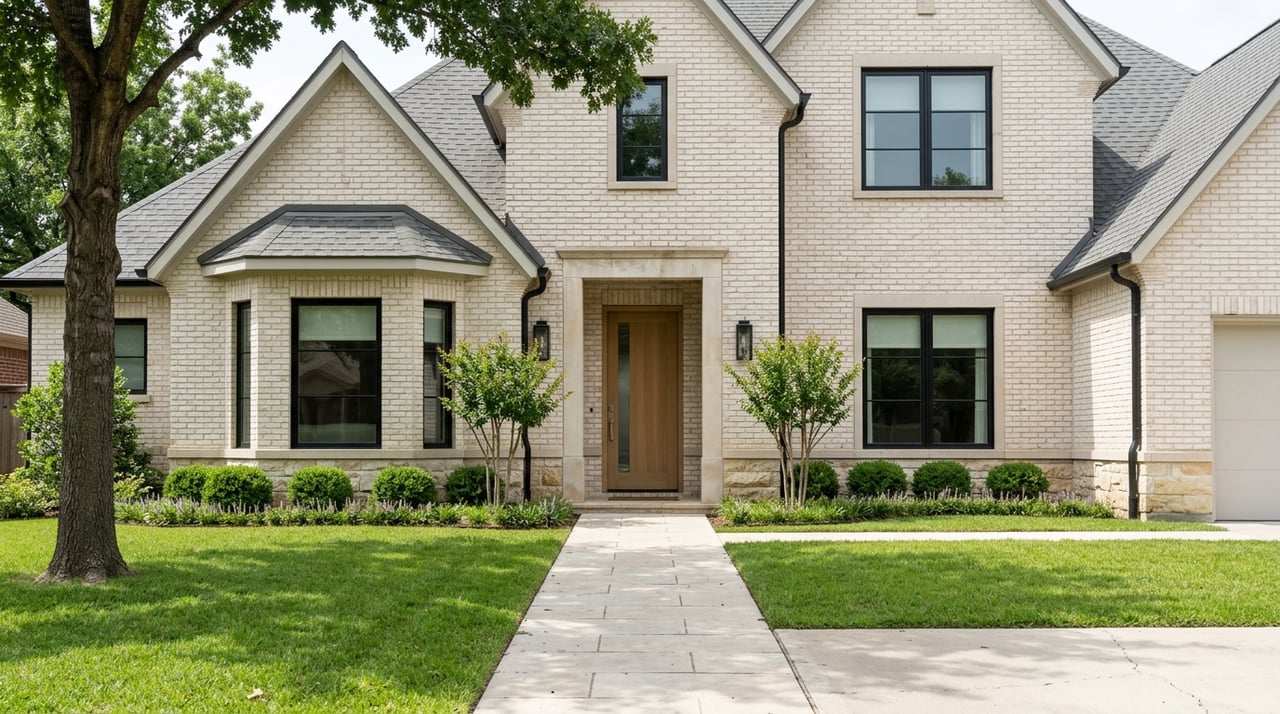
The biggest difference is scale. Flower Mound’s standard residential zoning districts range from 5,000 to 30,000 square feet, which is far smaller than one-acre or multi-acre parcels. Argyle also notes that newer subdivision development tends to offer custom homes on smaller lots.
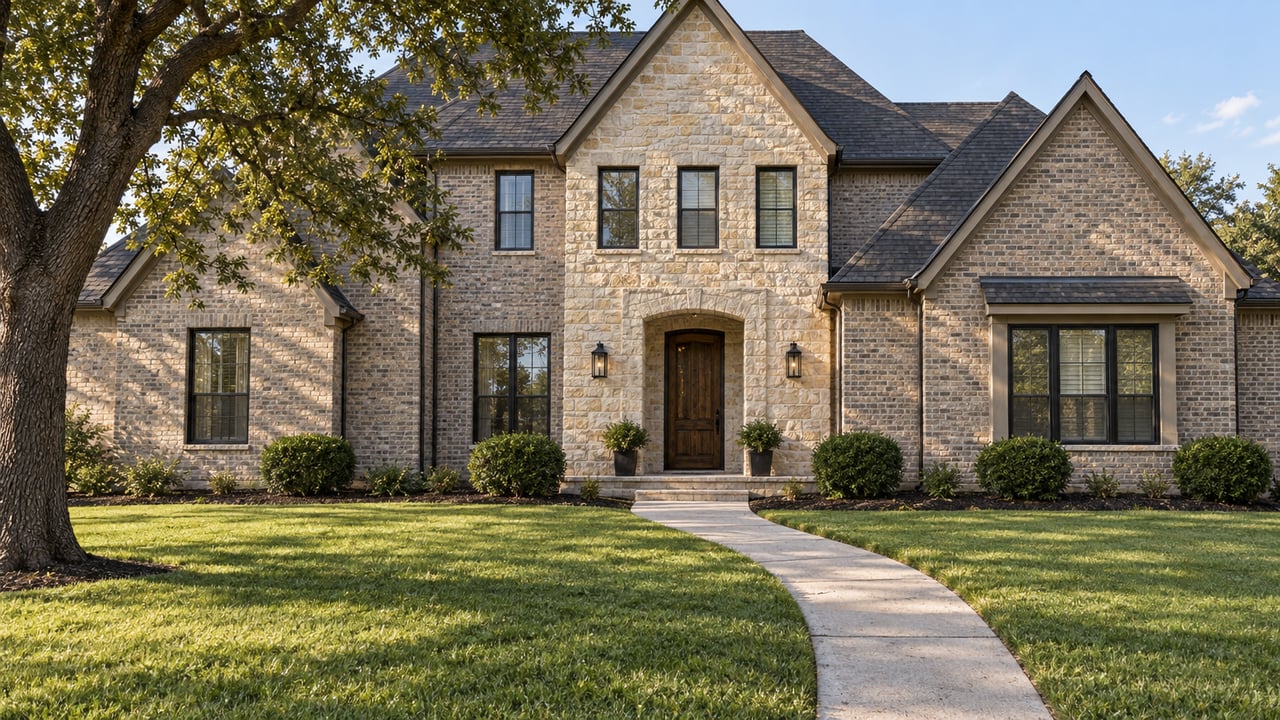
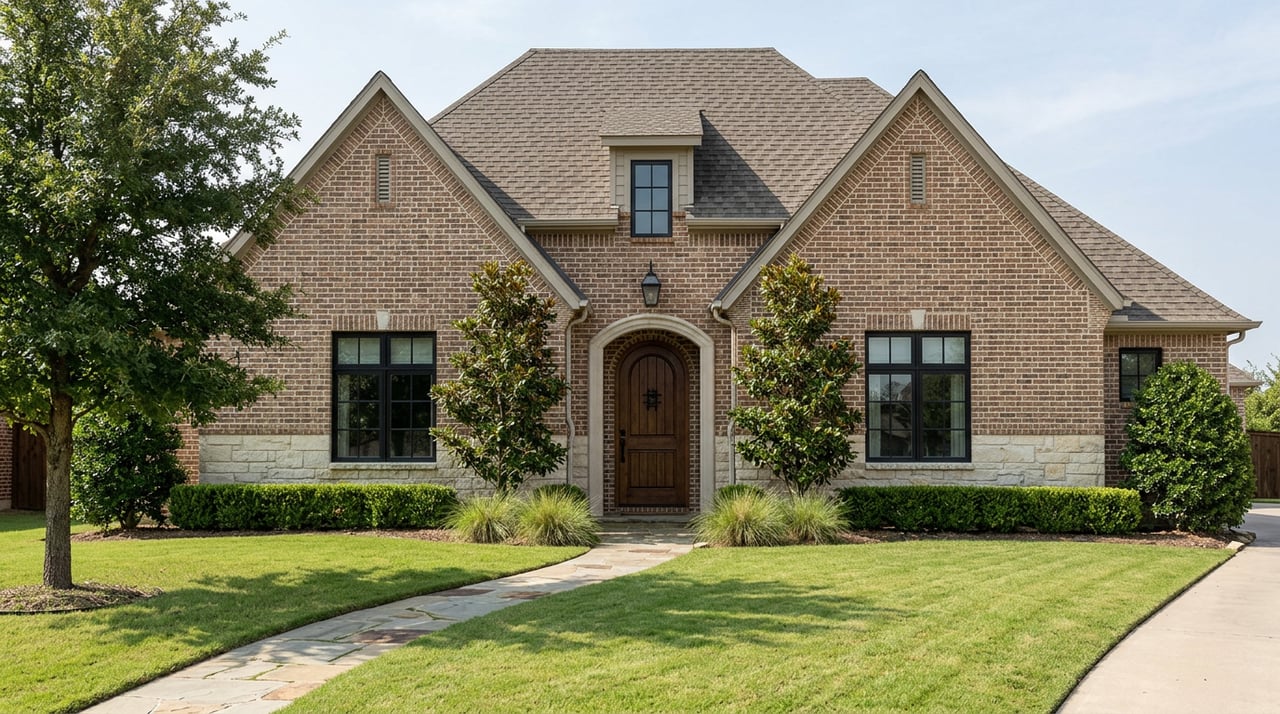
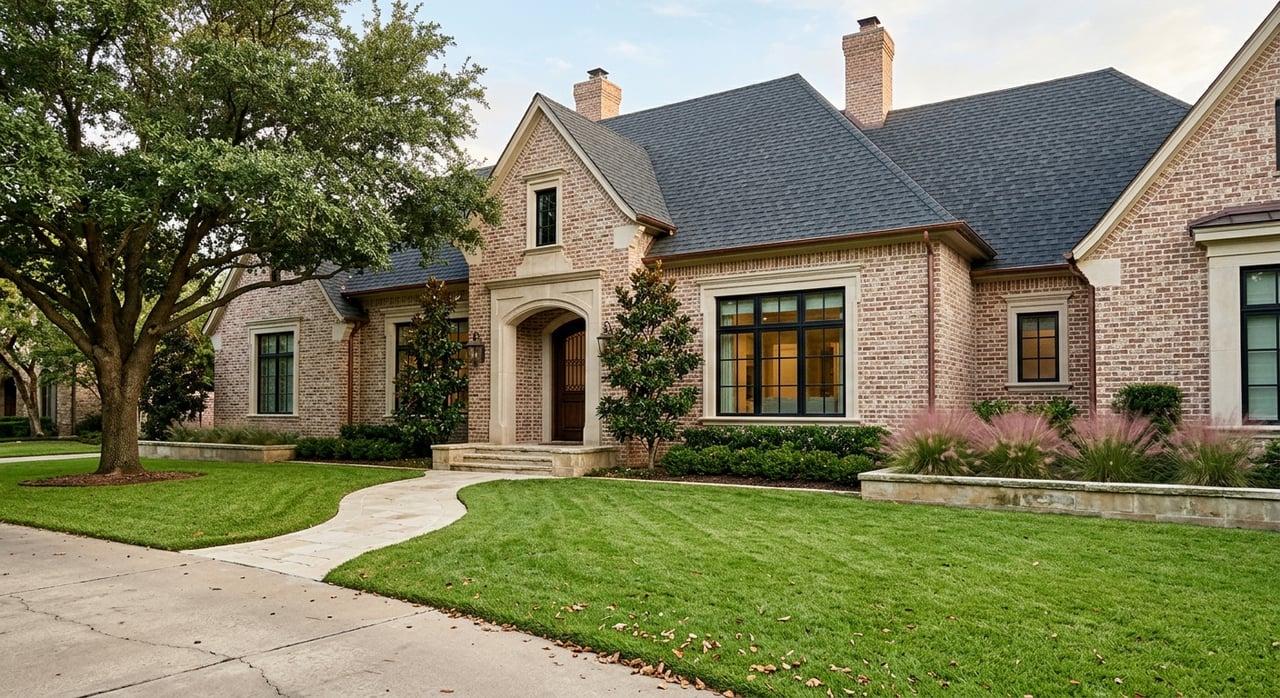
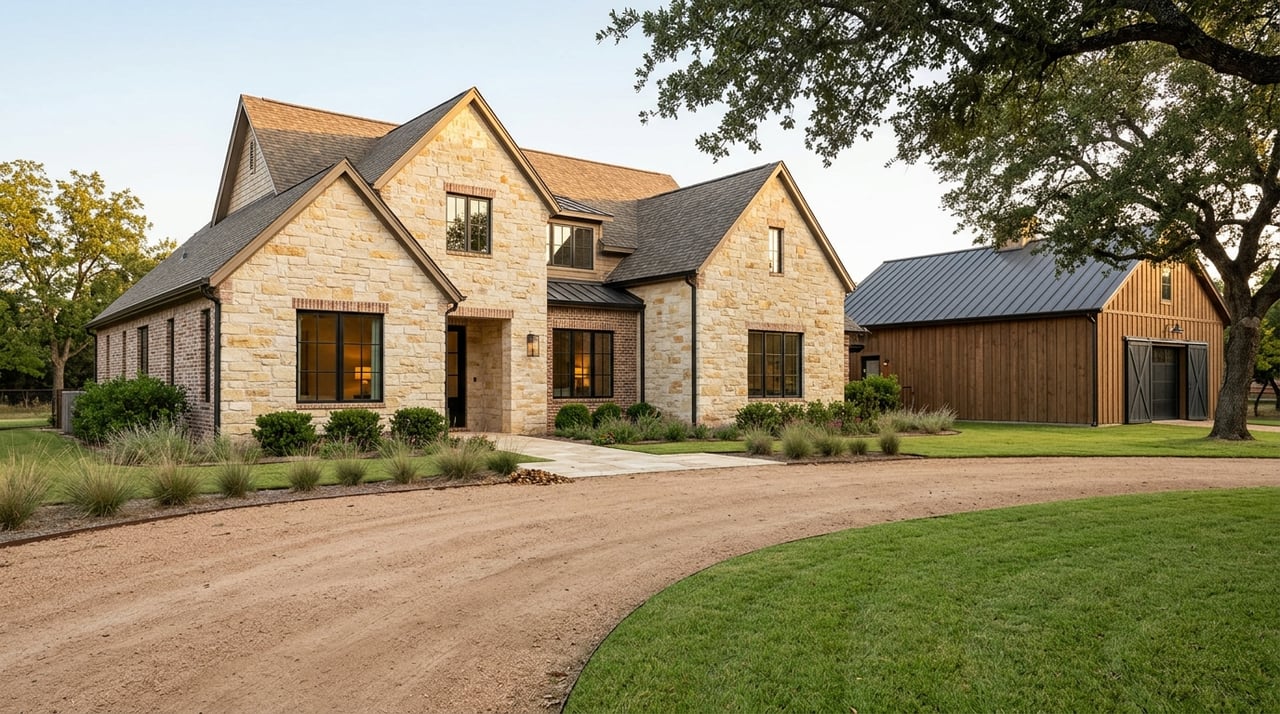
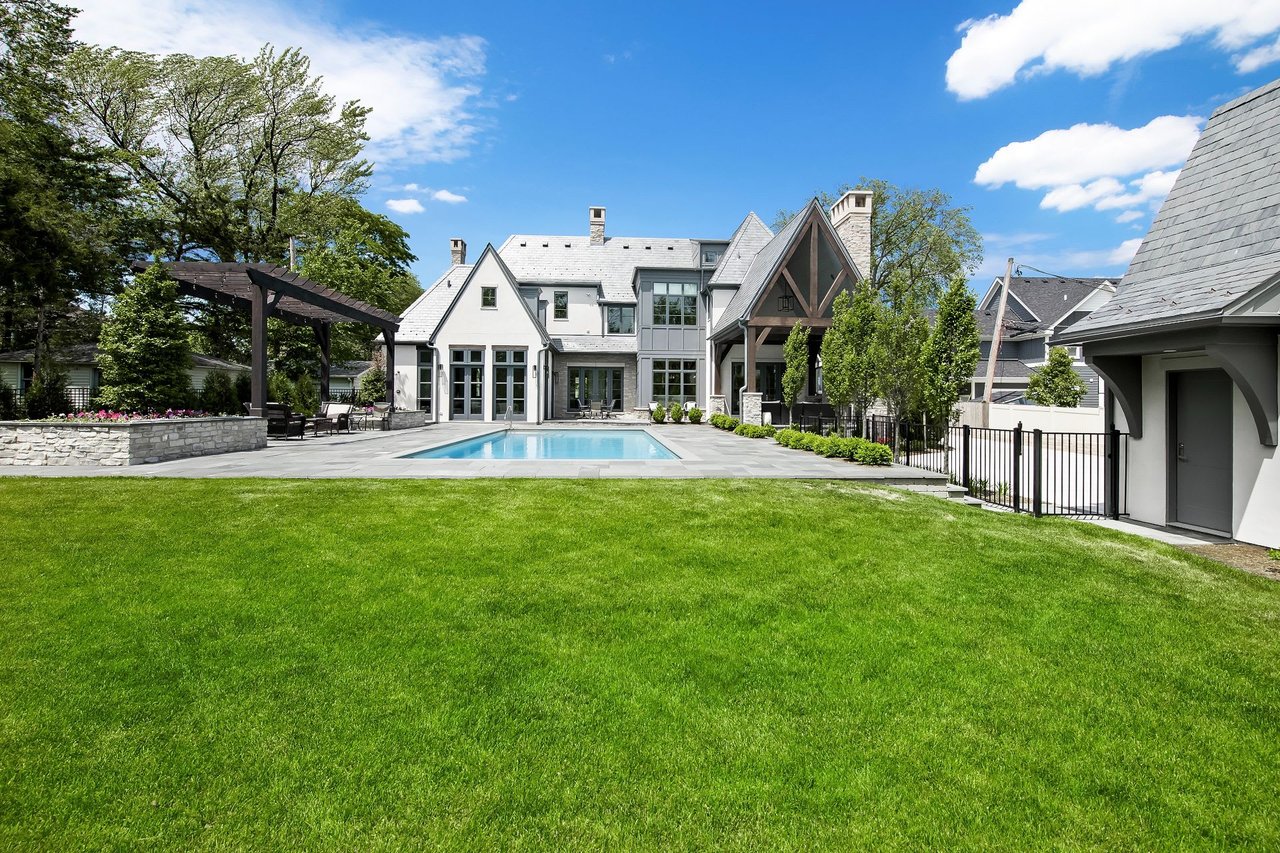
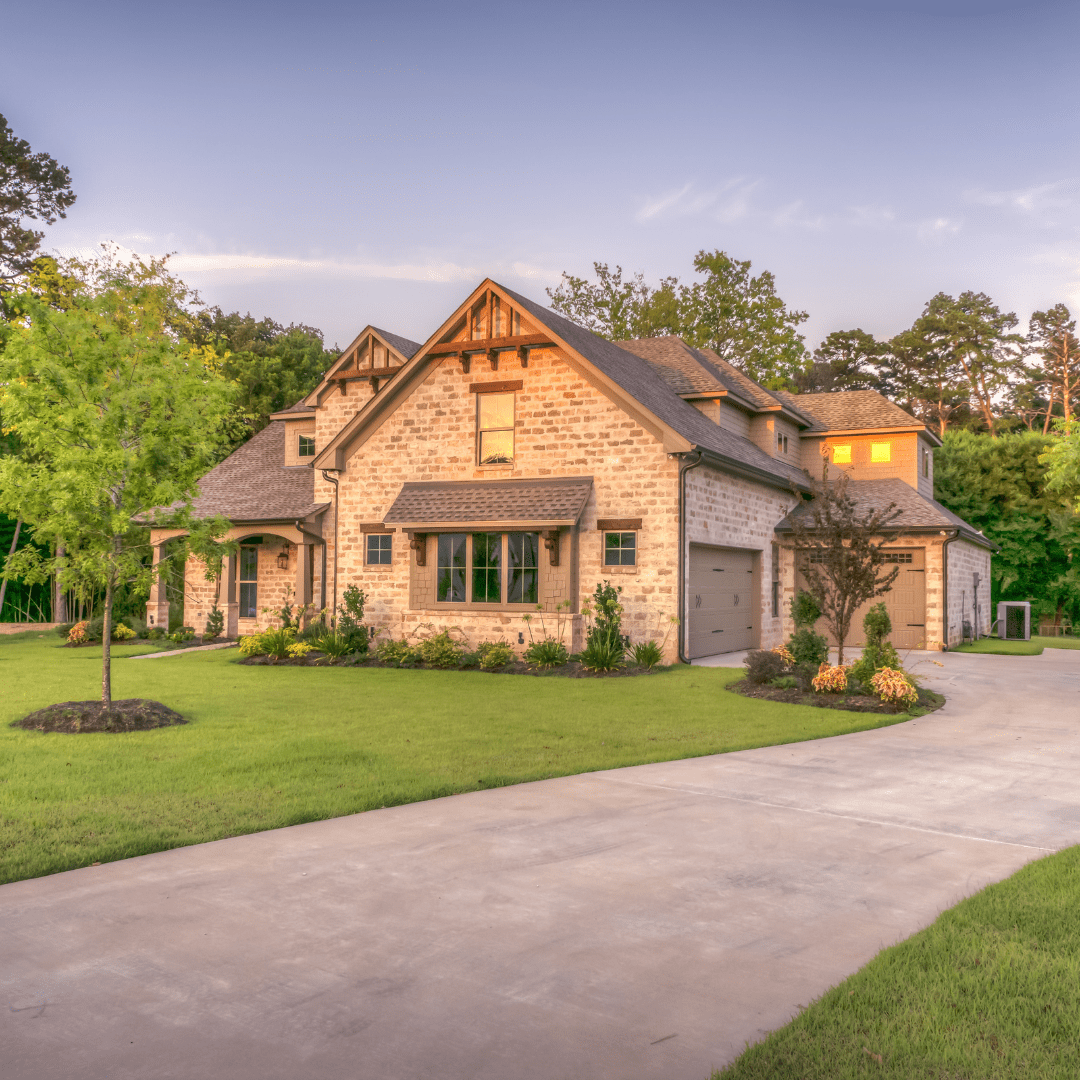
With more land, homes often feel more private and more site-specific. You are usually looking at custom construction, wider setbacks, longer driveways, and more room between homes. In Flower Mound’s SF-E district, for example, estate homes must meet a 2,400-square-foot minimum floor area and 150-foot minimum lot width, along with deeper yard setbacks.
Argyle’s standards also reinforce the larger-lot feel. Its SF-1 district allows up to two-and-a-half stories and limits lot coverage to 20 percent, which helps preserve open space on the property. In simple terms, these homes are designed to sit on the land differently than homes in a typical neighborhood.
What buyers often get with extra land
For many buyers, the appeal is easy to understand. Larger lots can offer more privacy, more flexibility, and more room for outdoor features that are hard to find in a standard subdivision. That is a big reason acreage and estate homes continue to attract move-up buyers and those looking for a more customized property.
Common features often include:
- Custom architecture
- Long private driveways
- Attached or detached garages
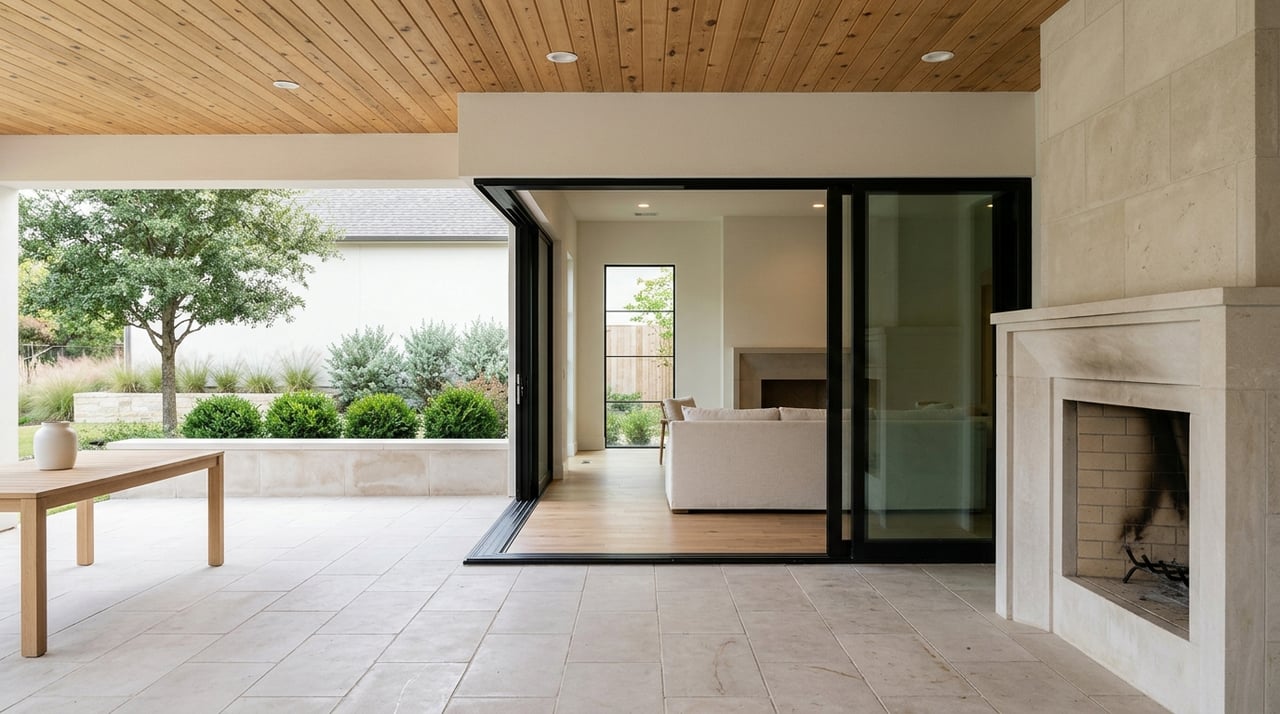
- Pools and outdoor living spaces
- Barns or workshops
- Larger fenced areas
- Horse-related improvements on some properties
Argyle’s community materials highlight wooded lots, rolling hills, and a notable concentration of equestrian farms. Flower Mound’s planning documents also emphasize preserving a country atmosphere and natural setting in its rural development areas. If you are drawn to land, privacy, and a more tailored home environment, that local character is a big part of the draw.
Why zoning matters more than buyers expect
On a larger property, zoning is not background information. It shapes what the lot is, how it can be used, and what kinds of improvements may be allowed. That matters whether you are buying for lifestyle, resale, or both.
In Argyle, current zoning includes a 1-acre SF-1 district and a 2.5-acre SF-2.5 district. In Flower Mound, estate and agricultural zoning set different minimum lot sizes, and Planned Development zoning may allow more flexible design when a site has unique topography, size, or shape.
This matters because two homes that look similar online may sit under very different rules. Before you make assumptions about adding a shop, extending a driveway, installing fencing, or changing site features, it is important to confirm what applies to that specific parcel.
Utilities can vary from property to property
One of the most important differences between a subdivision home and an acreage property is infrastructure. On a standard neighborhood lot, utility service is usually straightforward. On larger parcels, it can be much more site-specific.
In Argyle, the town does not provide water connections. Water service is handled by Argyle Water Supply Corporation, while the town manages the sanitary sewer collection system, and the property owner is responsible for the sewer service line from the tap to the structure. The town also notes that providers for gas, electric, phone, and internet vary by location.
Flower Mound is more centralized, but location still matters. The town provides water and, where available, wastewater, trash, and recycling on one monthly bill, with meters read monthly. It also notes that sewer rates are based on winter water use.
For buyers, the takeaway is simple: verify everything parcel by parcel. A home in the same town may be fully connected to town services, while another larger property may involve very different assumptions about water, wastewater, drainage, or meter placement.
Stormwater and hardscape deserve attention
In Flower Mound, larger lots can come with another layer of cost awareness. As of the 2025 rate update, stormwater fees are calculated using a parcel’s actual impervious surface area. That means features like long driveways, expanded hardscape, pools, and outbuildings can become more relevant than they would be on a smaller lot.
This does not mean a property is less desirable. It simply means the land improvements that make an estate property attractive can also affect ongoing ownership costs. When you compare properties, it helps to look beyond the house itself and evaluate the entire site.
Permits are a bigger part of ownership
Larger lots often come with more improvements, and more improvements usually mean more permits. That is true whether you are buying a property with existing features or planning to make changes after closing.
Argyle’s residential submittal checklist calls for items such as a site plan, grading plan, tree survey or tree removal and protection plan, and a septic permit when town sewer is not available. The town also identifies accessory structures, fences, ponds or tanks, irrigation, pools, and home additions as common permit-triggering projects.
Flower Mound also requires permits for a range of property improvements, including driveways, fences, walls, pools, accessory buildings, decks, irrigation systems, and retaining walls over 4 feet. On an estate or acreage property, those items are often a bigger part of ownership than they are in a conventional neighborhood.
Septic needs careful verification
Septic is one of the most important due-diligence topics for larger properties. If a parcel is not connected to town sewer, you should not assume the system is simple, transferable, or exempt from local oversight.
Texas requires permits for most on-site sewage facilities before construction, installation, repair, extension, or alteration. The narrow 10-acre exemption should not be assumed to apply automatically. In unincorporated Denton County, Denton County Public Health administers the on-site sewage facility program.
The practical step is to confirm which jurisdiction governs the parcel and whether an existing or proposed system has the proper approvals. This is one of the clearest examples of why acreage properties require more verification than a standard subdivision home.
Maintenance is part of the lifestyle
The appeal of extra land is real, but so is the upkeep. The larger the property, the more you should expect to manage beyond the house itself. That can include mowing, tree care, drainage, fences, driveways, outbuildings, irrigation, and utility or septic questions.
For some buyers, that is a feature, not a drawback. If you want privacy, space, and flexibility, a more hands-on ownership experience may be well worth it. But it is smart to go in with clear expectations about time, cost, and ongoing maintenance.
What sellers should know before listing
If you are selling an estate or acreage home in Argyle or Flower Mound, buyers will usually look closely at the property beyond the floor plan and finishes. They may ask about utility setup, sewer availability, septic documentation, permit history, fencing, accessory buildings, drainage, and site improvements.
That means preparation matters. Clear information about the lot, improvements, and infrastructure can help buyers understand the value of the property and reduce uncertainty during the sale process. For premium listings especially, strong positioning and thoughtful presentation can make a meaningful difference.
Why local guidance matters
Acreage and estate homes are rarely one-size-fits-all. Even within the same town, lot size, zoning, utility service, and improvement rules can vary from one parcel to the next. That is why local context matters so much when you are evaluating one of these properties.
Whether you are buying your first larger-lot home or preparing to sell a long-held property, the goal is the same: understand the land as carefully as you understand the house. When you do that, you can make better decisions and avoid costly surprises.
If you are thinking about buying or selling an estate or acreage property in Flower Mound, Argyle, or nearby North Texas communities, Pickard Real Estate Group can help you evaluate the details, position the property strategically, and move forward with confidence.
FAQs
What counts as an estate home in Argyle and Flower Mound?
- In these markets, estate homes usually fall in the 1-acre to 2.5-acre range, while larger acreage or rural-style parcels often start around 2 acres and can extend to 5 acres or more, depending on the town and zoning.
What makes an acreage property different from a regular subdivision home in Flower Mound?
- The main differences are lot size, zoning, utility setup, maintenance, and the types of site improvements involved, such as long driveways, accessory buildings, pools, fencing, or workshops.
Do acreage homes in Argyle always have city utilities?
- No. In Argyle, water service is handled by Argyle Water Supply Corporation, sewer responsibilities can vary, and providers for gas, electric, phone, and internet may differ by location.
Do estate properties in Flower Mound require permits for improvements?
- Yes. Flower Mound requires permits for several common improvements, including driveways, fences, walls, pools, accessory buildings, decks, irrigation systems, and retaining walls over 4 feet.
Should buyers verify septic systems on larger lots in Denton County?
- Yes. If a property is not connected to town sewer, buyers should confirm whether septic applies, which jurisdiction oversees the parcel, and whether required permits or approvals are in place.
Is acreage living in Argyle or Flower Mound more maintenance-intensive?
- Usually, yes. Larger lots often require more ongoing attention for mowing, tree care, drainage, fences, driveways, outbuildings, and utility or septic-related upkeep.