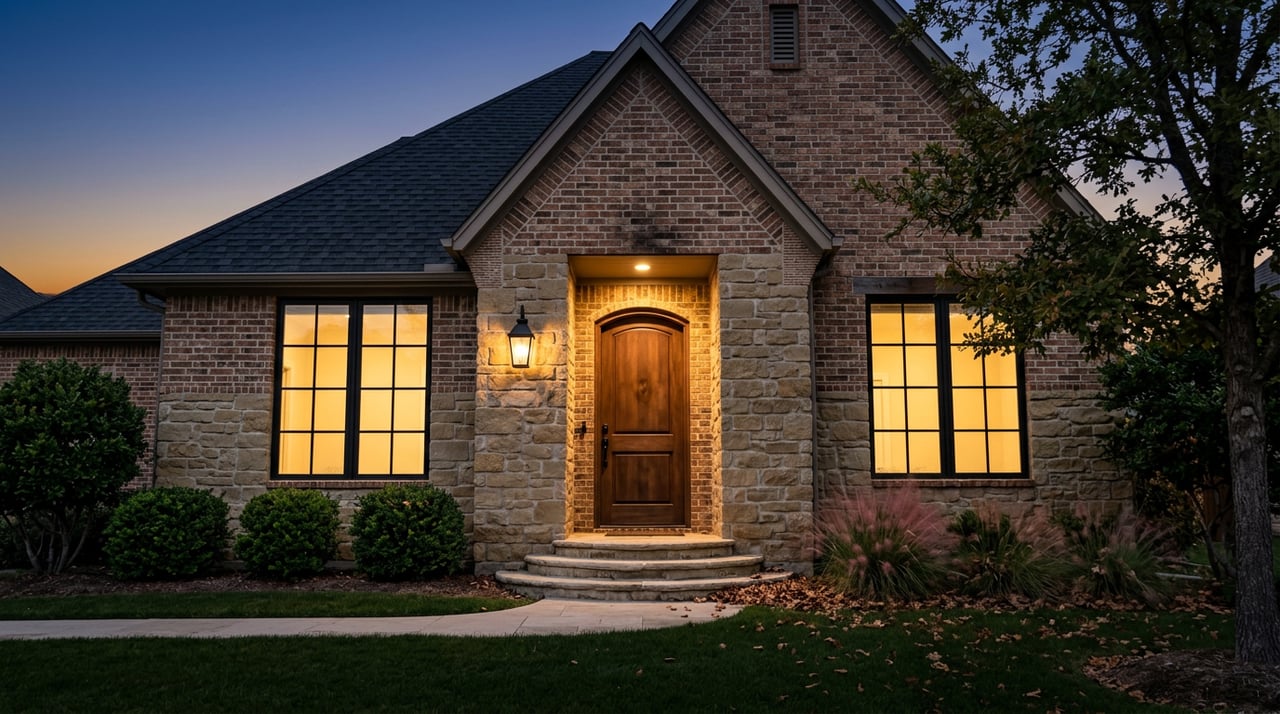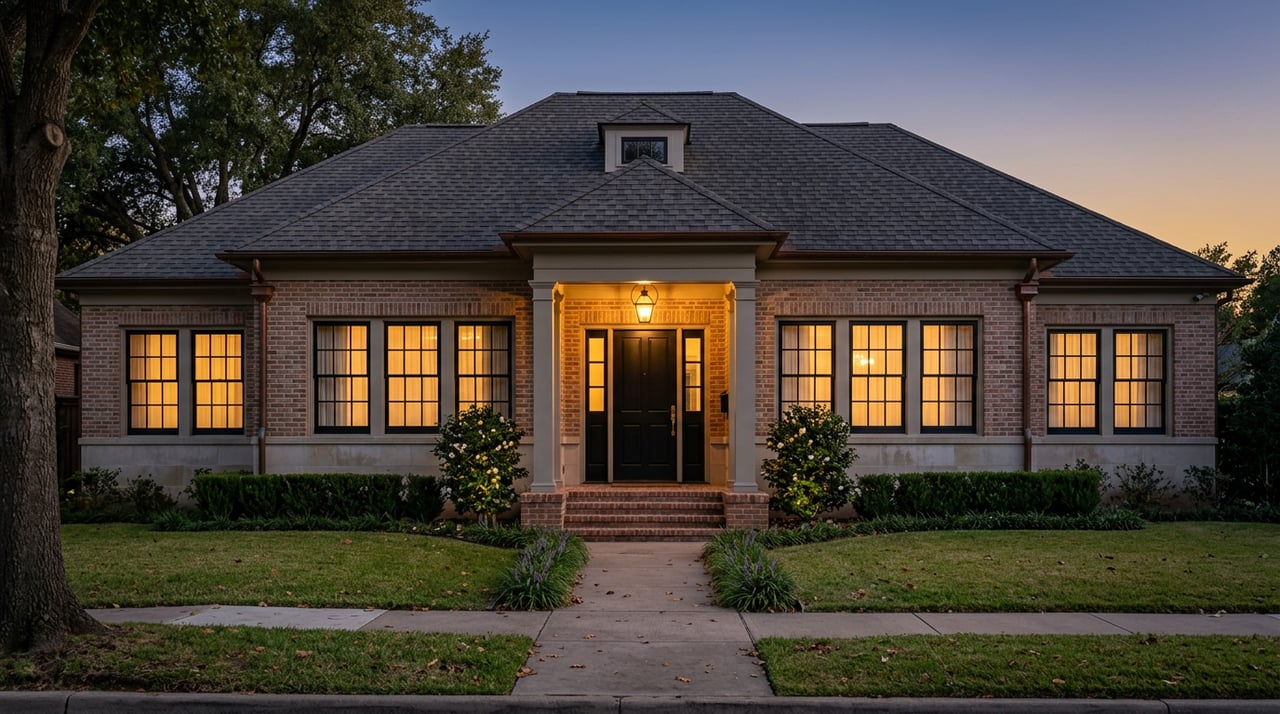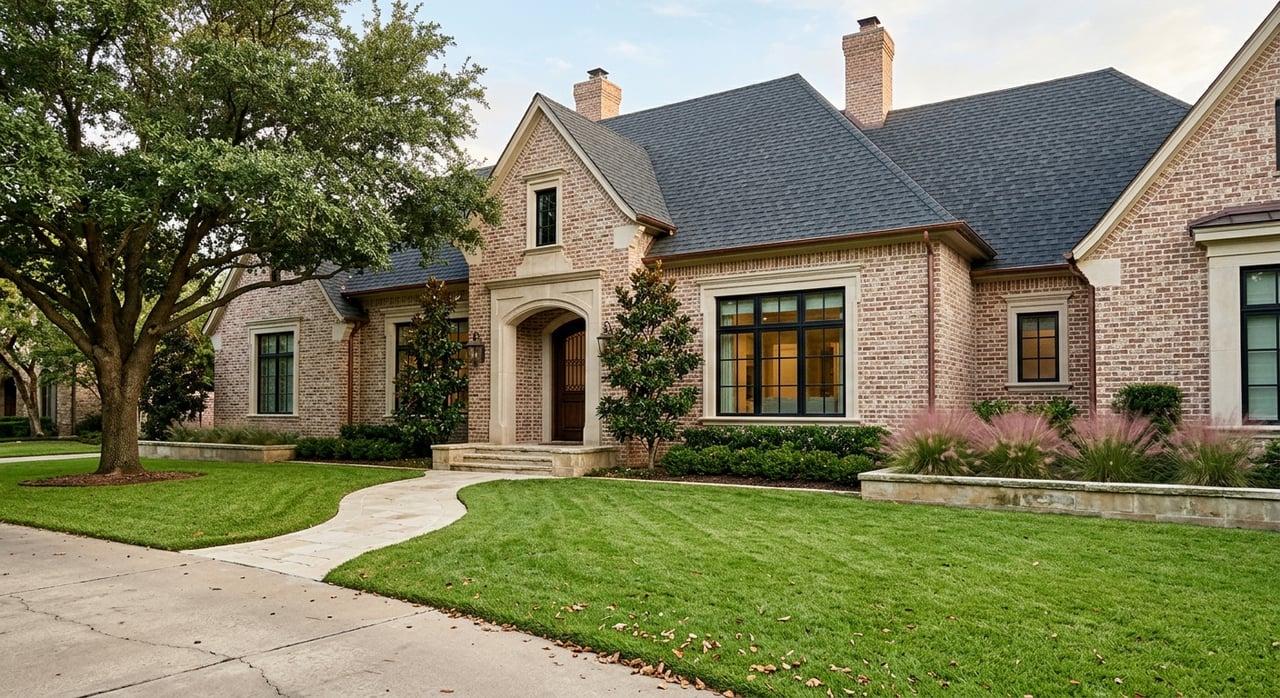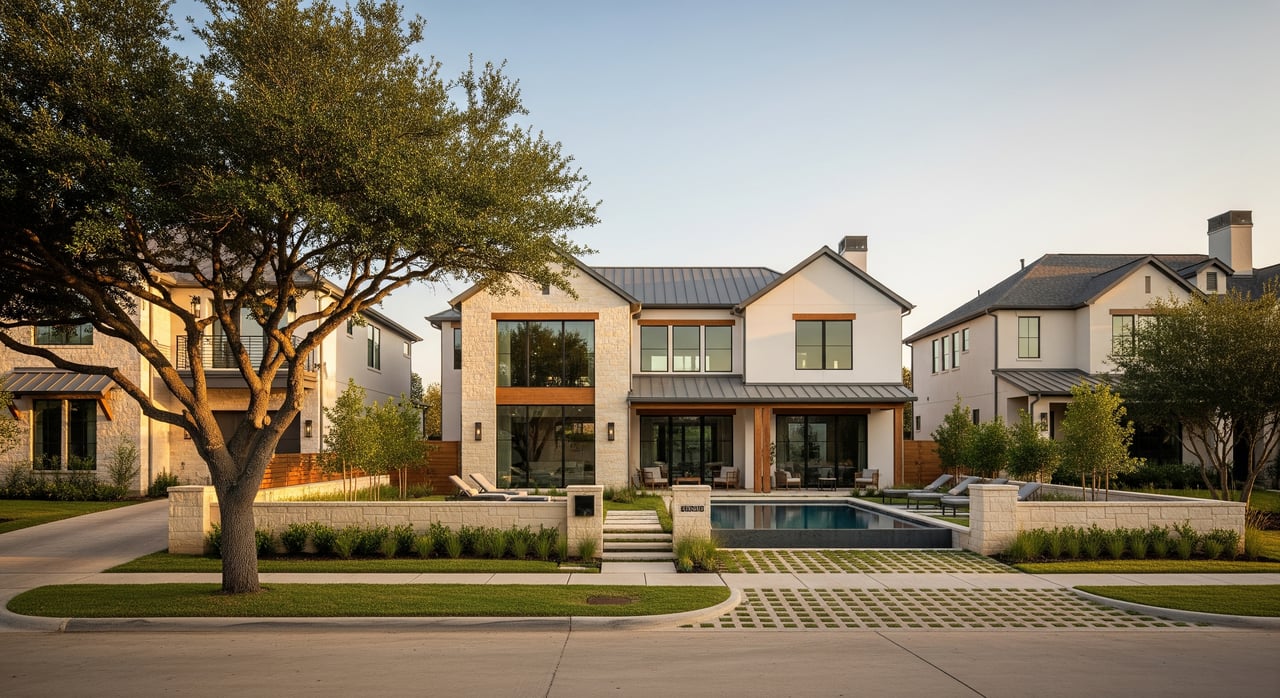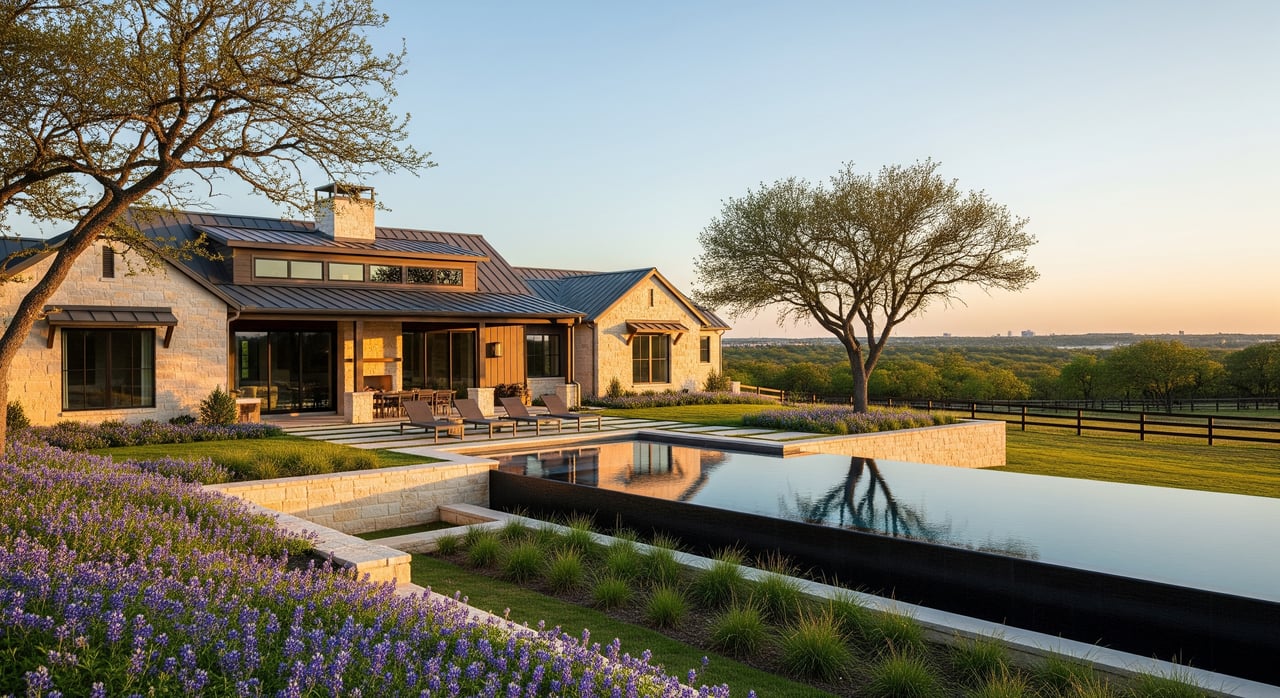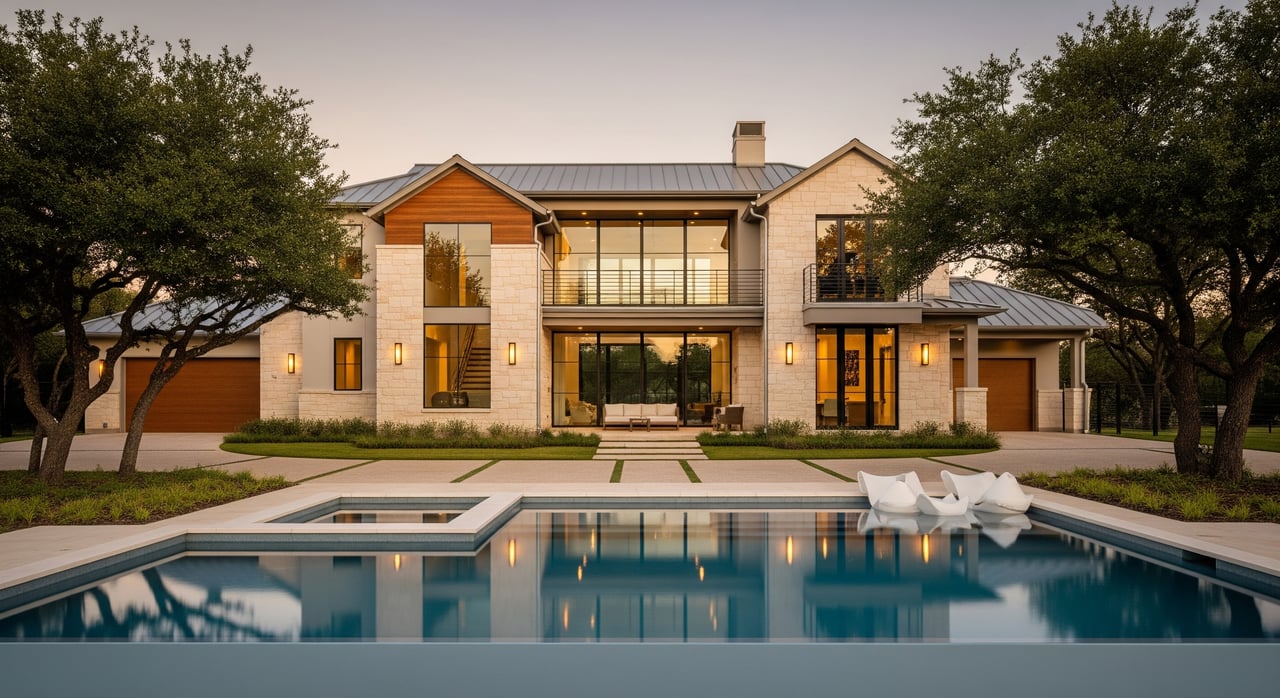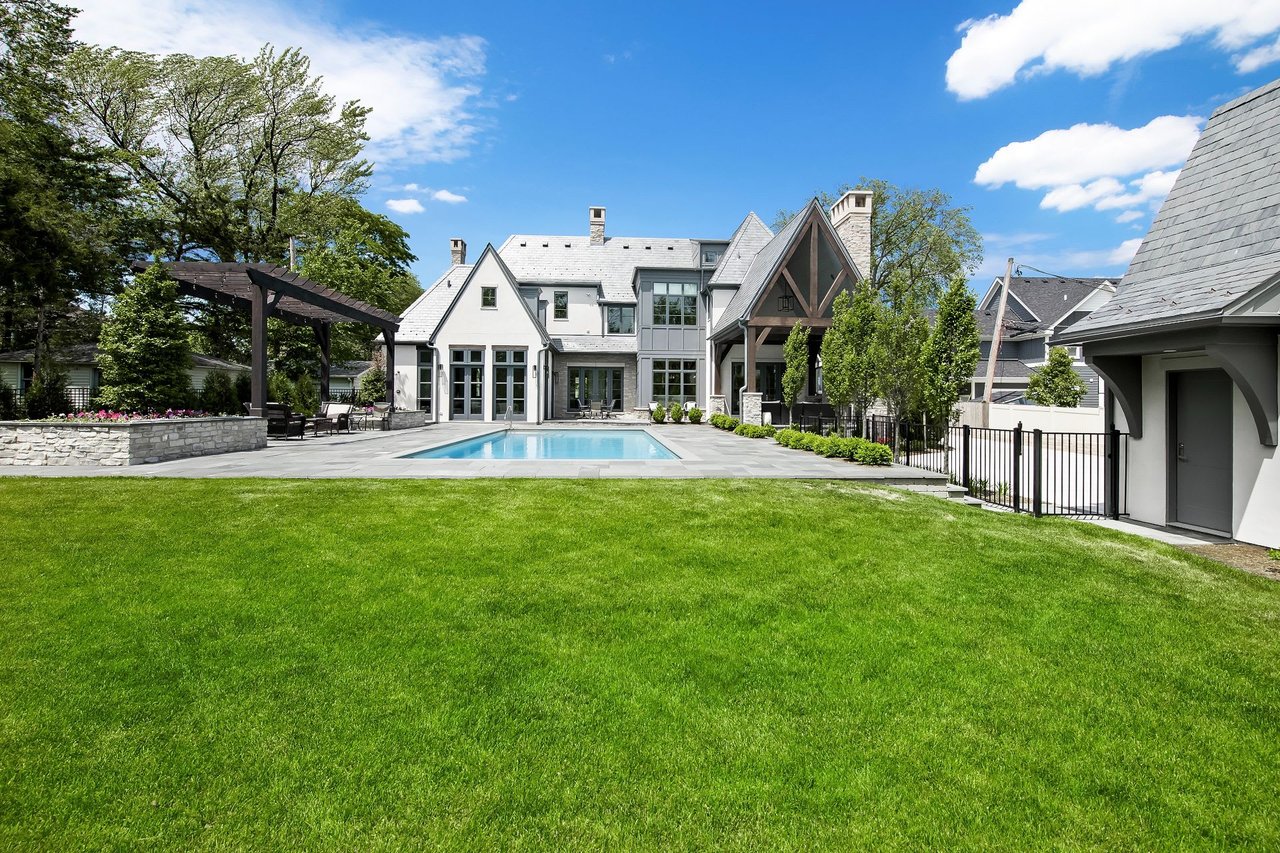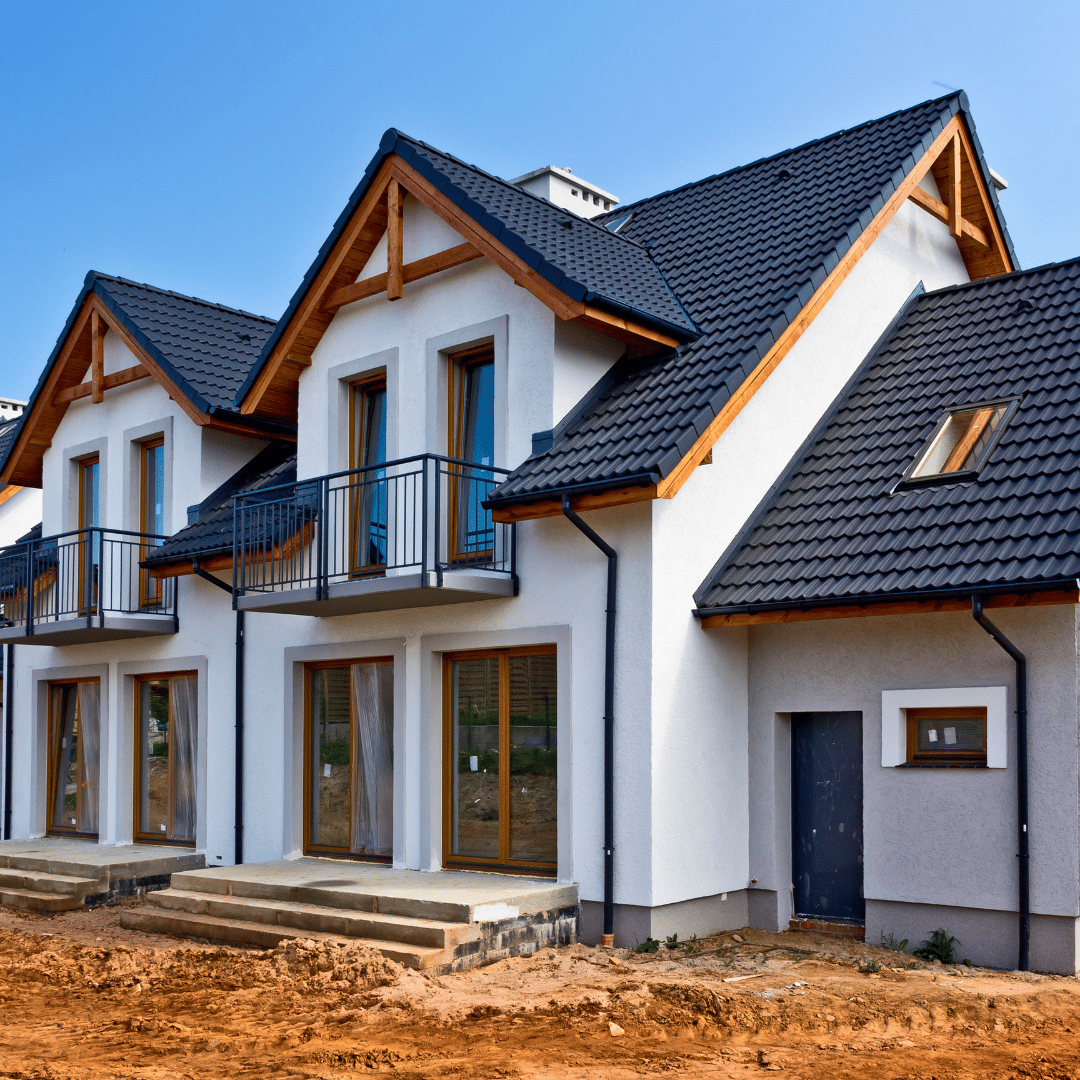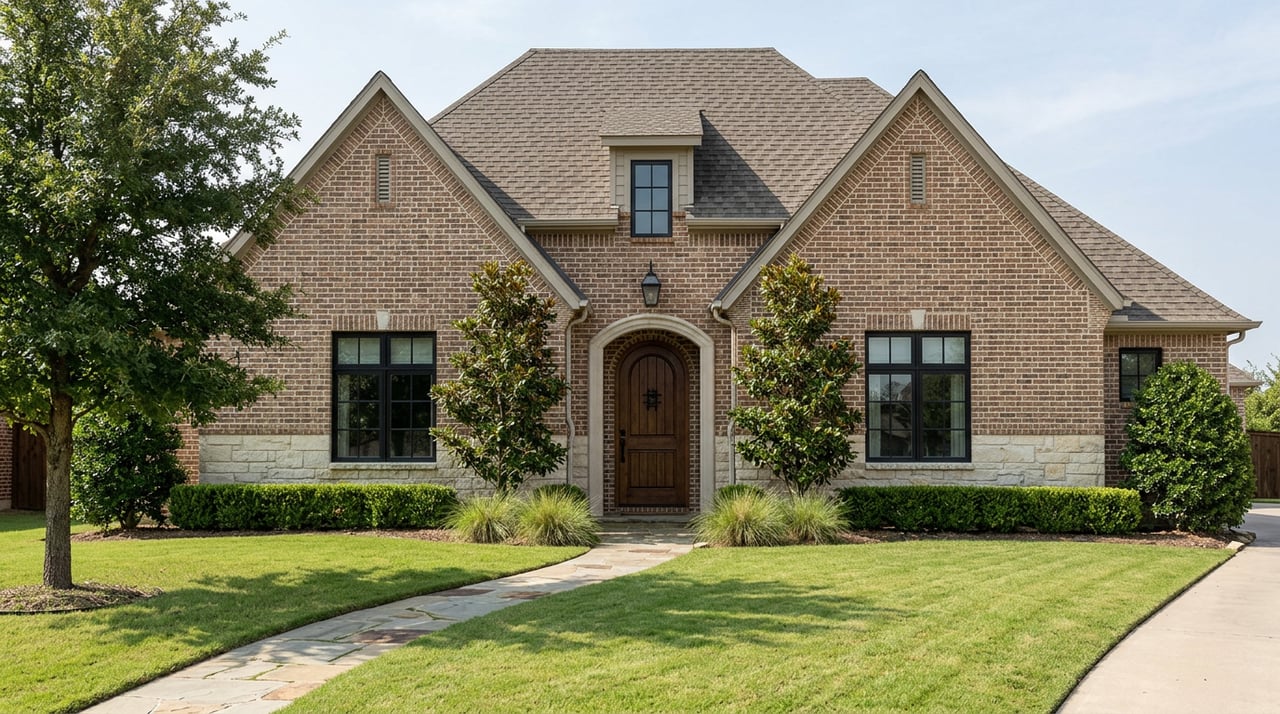
A homeowner in Aledo lists a well-kept four-bedroom on a quiet cul-de-sac, prices it in line with what the county reports say the market is doing, and waits. Two streets over, a production builder is offering a rate buydown and closing cost assistance on a nearly identical floor plan, and in some cases offering to buy the seller's current home outright just to get the new one sold. The county-level median price hasn't moved much. The seller's experience has moved a lot.
That gap between the headline number and what an individual resale listing actually goes through is the story worth understanding if you're weighing Fort Worth against Aledo or Willow Park right now. The county data says calm. The builder incentives sitting on the ground in Parker County say something more specific: the competition resale sellers face isn't just other resale homes, it's a builder's balance sheet.
What the numbers actually show, side by side
The Greater Fort Worth Association of Realtors tracks these markets separately, and the second quarter of 2026 makes the split obvious.
| Market | Median price, Q2 2026 | YoY change | Active listings | Closed sales |
|---|---|---|---|---|
| Parker County (Aledo, Willow Park, Annetta) | $469,900 | down 0.3% | down 8.8% | up 16.6% |
| City of Fort Worth | $335,000 | down 0.6% | down 6.9% | up 7.6% |
| Downtown Fort Worth (Redfin, 3 months ending May 2026) | $396,000 | up 8.5% | — | 23 homes sold in May, up from 13 |
Parker County's median barely budged and closed sales jumped. GFWAR's 2026 president, Shawn Buck, described the broader region this way when the second-quarter numbers came out:
"As we reflect on the first half, we can see we are a more reliable buying and selling space. Unlike the pandemic years and the period that followed, the market allows buyers and sellers to take a more measured approach to their transactions. Sellers can ask a fair price, and buyers can take more time to find a home that fits their needs."
That's an accurate read of the county as a whole. It's also not the market an individual Aledo resale seller was living in eight months earlier, and understanding why is the part that actually helps someone comparing neighborhoods today.
Rewind to late 2025 and the picture looks different
Heading into the second half of 2025, Aledo wasn't calm. GFWAR's November 2025 report, covered by the Fort Worth Report, showed Aledo active listings up 32.4% year over year with the median home price down 0.9% to $505,500. That's a supply glut, not a plateau. A third more homes competing for buyers in a single year is the kind of shift that shows up as longer marketing times and softer negotiating positions for anyone with an existing home to sell, even if the median price itself only dipped slightly.
The gap between "median price barely moved" and "active listings jumped 32%" is the tell. Prices didn't fall because buyers weren't paying premium dollars for Parker County homes. Prices held roughly flat because a wave of new inventory, much of it new construction, gave buyers so many options that resale sellers had to compete on terms, not just price.
Where that inventory came from
Drive the FM 1187 corridor or Bailey Ranch Road in Aledo, or the Reserves at Trinity area in Willow Park, and the builder signage tells the rest of the story. Aledo and Willow Park currently have production and custom builders active across two dozen subdivisions, including Riverside Homebuilders, Highland Homes, Bloomfield Homes, D.R. Horton, David Weekley Homes, Perry Homes, HistoryMaker Homes, Village Homes, Pyvot Homes, and Sandlin Homes.
What makes this relevant to a resale seller isn't just the volume of new homes. It's what those builders can offer that an individual seller usually can't:
- Bloomfield Homes' Abe's Landing section of Parks of Aledo has been running rate buydown options and closing cost assistance on its remaining inventory homes, an offer explicitly tied to a deadline (July 31, 2026) rather than an open-ended list price.
- Riverside Homebuilders' Willow Park listings advertise a Trade In Trade Up program, where the builder will buy the buyer's current home to remove the contingency that often slows down a resale purchase.
- Highland Homes has quick move-in inventory priced from the $750s in Aledo, competing directly at the upper end of the same buyer pool that shops estate and acreage resale listings.
A resale seller can't easily match a builder-financed rate buydown or an outright trade-in offer. That's the mechanism behind the disconnect: the county median can hold steady because new construction is absorbing demand at a discount buyers actually feel, while resale sellers are the ones absorbing the longer days on market and the negotiating pressure that comes with it.
The correction that followed
By the second quarter of 2026, the numbers suggest that glut started clearing. Parker County active listings were down 8.8% year over year and closed sales were up 16.6%, the strongest sales gain GFWAR reported in the region for that quarter. Months of inventory sat at 5.4, still on the high side compared to Tarrant County's 3.6 months, but moving in the right direction for sellers.
Read together, the arc looks like this: a construction-driven supply spike through late 2025 softened resale sellers' leverage without denting the county median much, followed by absorption through the first half of 2026 as buyers worked through that inventory. Anyone shopping Aledo or Willow Park right now is buying into the tail end of that correction, not the peak of it, which changes what kind of negotiating room is realistically still on the table.
Fort Worth's core is telling a different story entirely
The city of Fort Worth's overall median dipped slightly in the same quarter, down 0.6% year over year to $335,000, with active listings down 6.9% and closed sales up 7.6%. But Downtown Fort Worth, looking at the three months ending May 2026, saw its median sale price rise 8.5% year over year to $396,000, with homes selling in 73 days on average compared to 87 a year earlier, and 23 homes sold in May versus 13 the year before.
That's the second half of the same lesson. Fort Worth isn't one market any more than Aledo is. A close-in submarket with limited new construction can appreciate while the citywide median sits flat, and an exurban submarket with heavy new-home supply can hold a steady median while resale sellers underneath it work through a much bumpier year. Anyone comparing the two areas off a single median price number on a portal is comparing two averages that are each hiding their own internal split.
What this means if you're deciding between the two
If you're pricing a resale home in Aledo or Willow Park this year, know what you're competing against before you set a number. Check what incentives the nearest active builder communities are running, because that's the effective price a buyer is comparing your listing to, even if it never shows up in a resale comp.
If you're a buyer weighing new construction against an existing home in the same area, the builder incentives are real leverage, but they usually apply to specific inventory homes on a deadline, not to every floor plan in every phase.
If you're comparing Fort Worth's inner neighborhoods against Aledo's acreage and new-build inventory, look at submarket-level data, not the citywide or county-wide median. The number that matters is the one for the specific pocket you're actually considering.
A few common questions
Is new construction still being built in Aledo and Willow Park in 2026? Yes. Multiple builders have active communities across the area, including Parks of Aledo, Abe's Landing, and the Reserves at Trinity in Willow Park, with inventory and incentives changing on a rolling basis.
Why would Aledo's median price stay flat if the market went through an inventory spike? A flat median doesn't mean nothing happened underneath it. It can mean buyers gained enough options, largely through new construction, that resale sellers had to compete on time and terms rather than pushing price higher, which is exactly what the 2025 to 2026 data shows.
Does a lower days-on-market number always mean a stronger market for sellers? Not on its own. Pair it with active listings and closed sales, the way GFWAR's quarterly reports do, to see whether homes are moving fast because demand is strong or because sellers are pricing and negotiating more aggressively to compete with new construction next door.
Numbers like these change by the quarter, and the mix of builder incentives on the ground shifts even faster. If you're trying to figure out what a specific Aledo, Willow Park, or Fort Worth listing is actually up against right now, Pickard Real Estate Group tracks these submarkets closely and can walk through what your particular street, price point, and timeline are really competing with.