In May 2026, Highland Park's median home sale sat at $2.3 million, down 32 percent from the same window a year earlier, according to Redfin. A month later, Movoto's snapshot of the same town showed a median of just over $4.09 million. Neither number is wrong. Both are measuring the same 2.2 square miles of Dallas County in roughly the same season. The gap between them is the actual story, and it has almost nothing to do with whether Highland Park is getting cheaper or more expensive.
It has to do with how few homes sell there in any given month.
A market with about a dozen closings
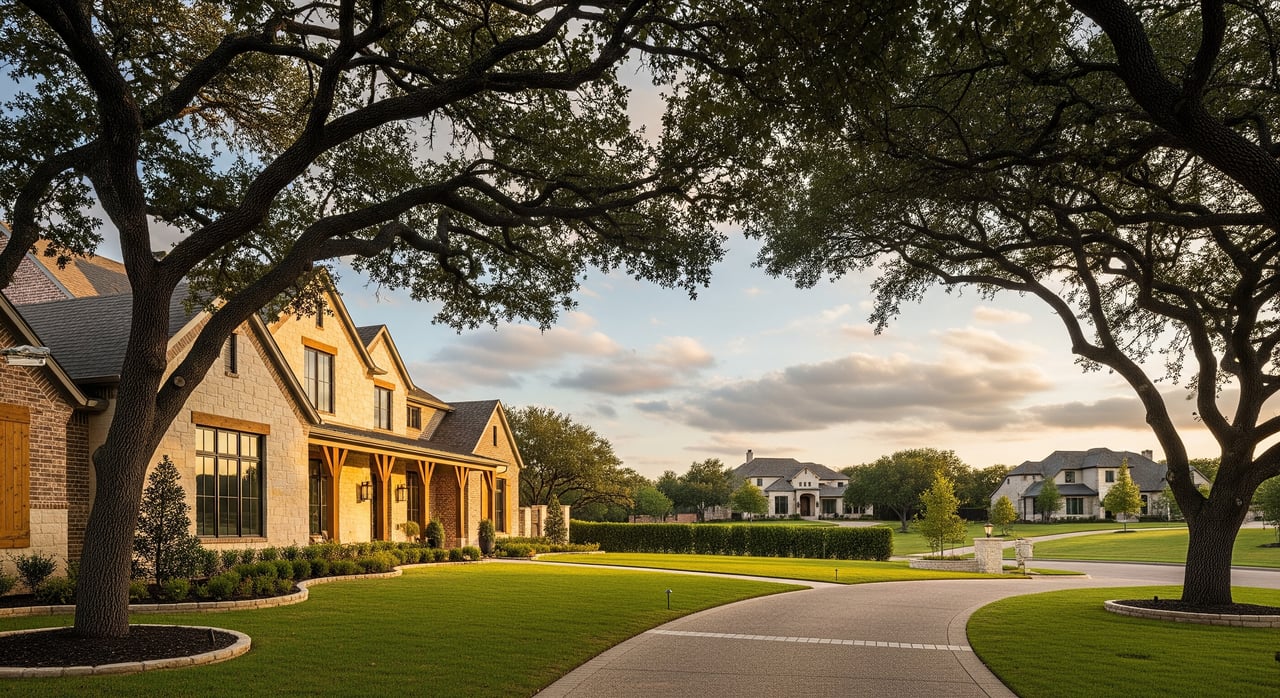
Highland Park is fully built out, with roughly 3,400 single-family homes on lots that mostly run between a fifth of an acre and three-quarters of an acre. Closed sales average around 11 to 12 a month across the year, with a seasonal peak of 15 to 18 homes in May and June and a trough of just 6 to 8 in December and January, tied to school-year timing and year-end tax planning.
That is not a typo. A dozen sales a month is the entire dataset a median gets built from. Compare that to a Frisco or a McKinney, where hundreds of homes close monthly and one $8 million estate barely moves the needle. In Highland Park, one $16 million closing and one $900,000 condo conversion closing in the same 30-day window will produce a median that tells you almost nothing about what a typical buyer paid.
Orchard's data illustrates just how volatile this gets at the extreme. In one recent 30-day window, only 4 homes sold in Highland Park, down from 10 in the same period a year prior, and the median days on market jumped to 104 from 42. Meanwhile Redfin's broader 3-month window for that same general period showed homes averaging just 16 days on market. Both can be true at once. A handful of estate listings that sat for months finally closing in the same stretch as a couple of quick-moving smaller homes will blow both the price and the timing statistics in opposite directions simultaneously.
Here is what four different snapshots looked like across roughly the same stretch of 2026:
| Source | Window | Median price | Homes sold | Days on market |
|---|---|---|---|---|
| Redfin | 3 months ending May 2026 | $2.3M | 27 | 16 (avg) |
| Movoto | June 2026 | $4.10M | 50 | 38 (avg) |
| Orchard | 30-day window, spring 2026 | $2.21M | 4 | 104 (median) |
| Zillow | Mid-2026 (rolling estimate) | $2.8M (avg value) | n/a | n/a |
None of these vendors are pulling from a different market. They are pulling from the same tiny pool of transactions through different windows, and the pool is small enough that which two or three houses happen to close in a given slice can swing the headline by a million dollars or more.
What actually sets the price
If the published median is mostly noise, what is the real signal in Highland Park? Land.
A meaningful share of Highland Park sales aren't really home sales. They're lot sales with a structure attached that the buyer plans to remove. The typical teardown path here involves purchasing an older home for its land value alone, often $1.5 million to $3 million for the lot before a shovel goes in the ground, then engaging an architect and builder and working through the Highland Park Building Department's permitting process over a 12 to 18 month build. Roughly 20 to 30 of these teardown and rebuild projects happen in Highland Park every year, and total project costs for a 5,000 to 7,000 square foot custom home typically land between $3.5 million and $7 million or more once land acquisition is included.
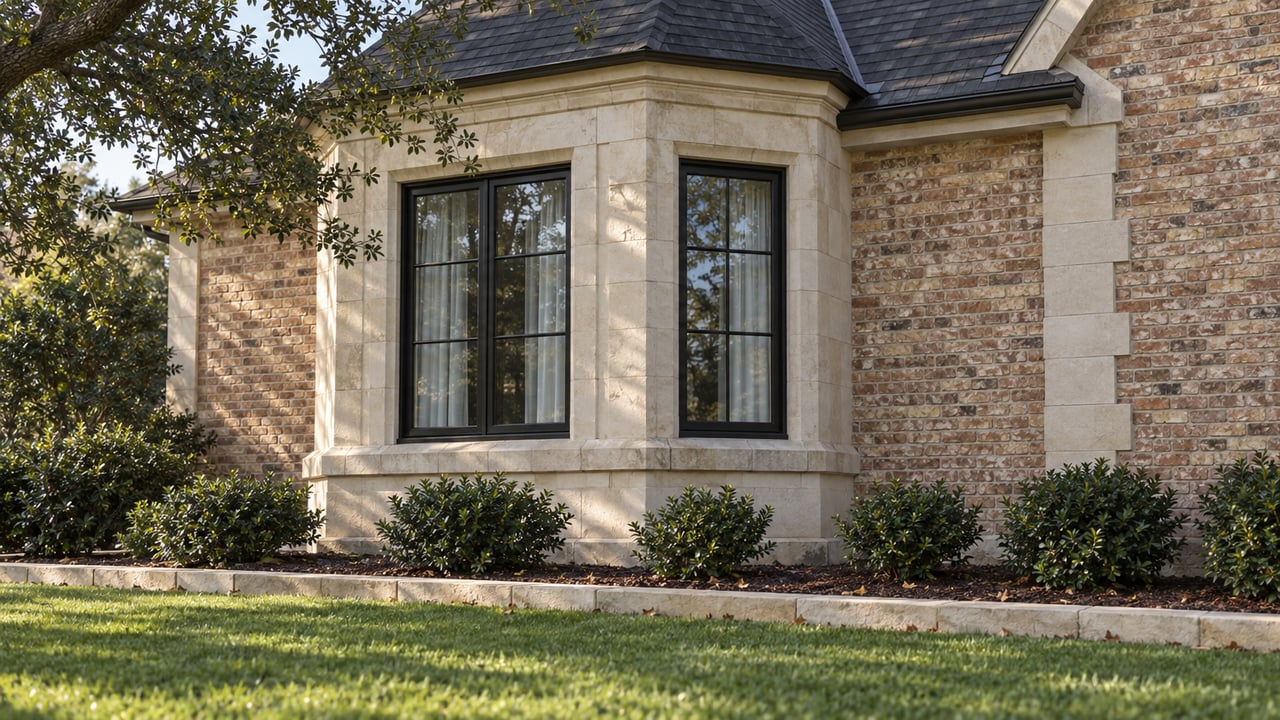
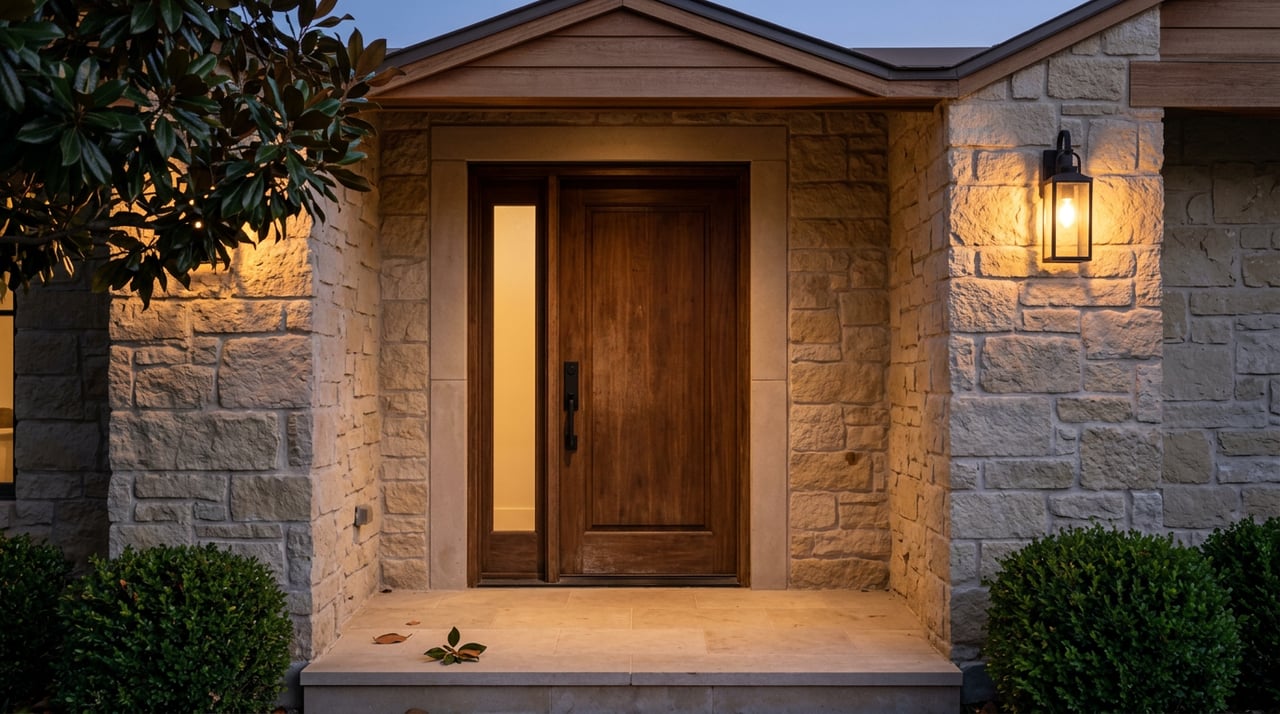
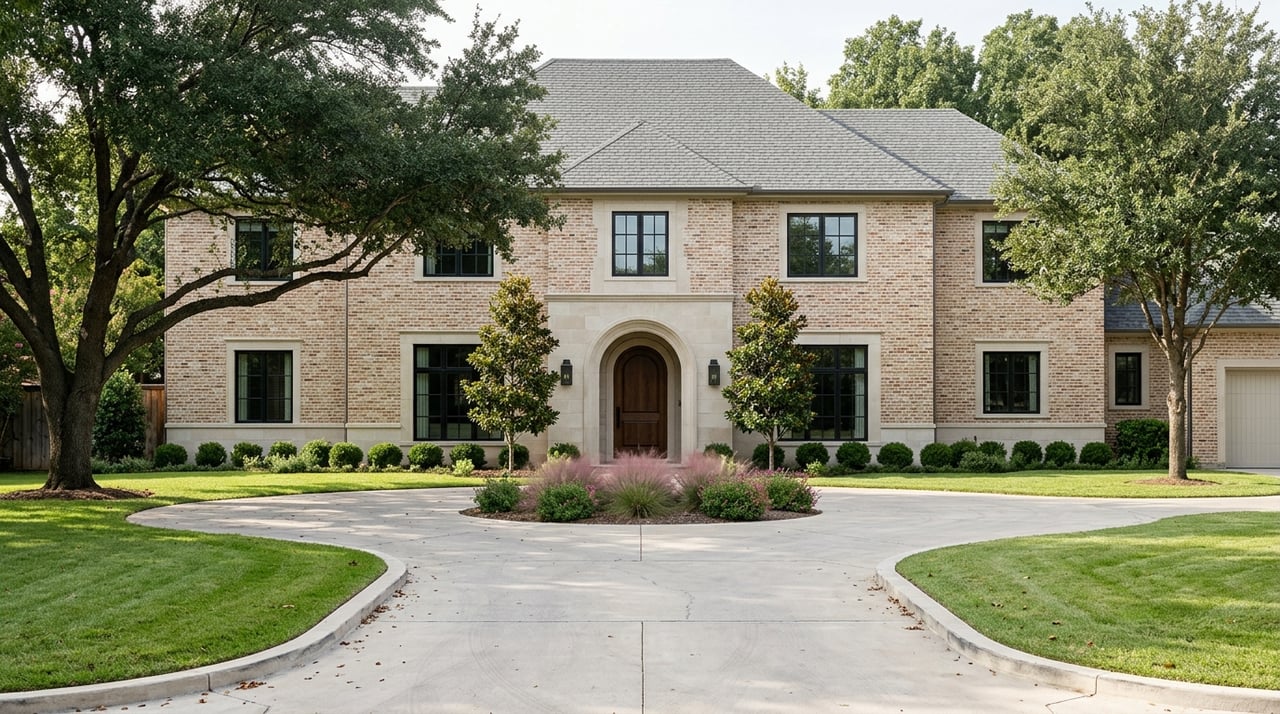
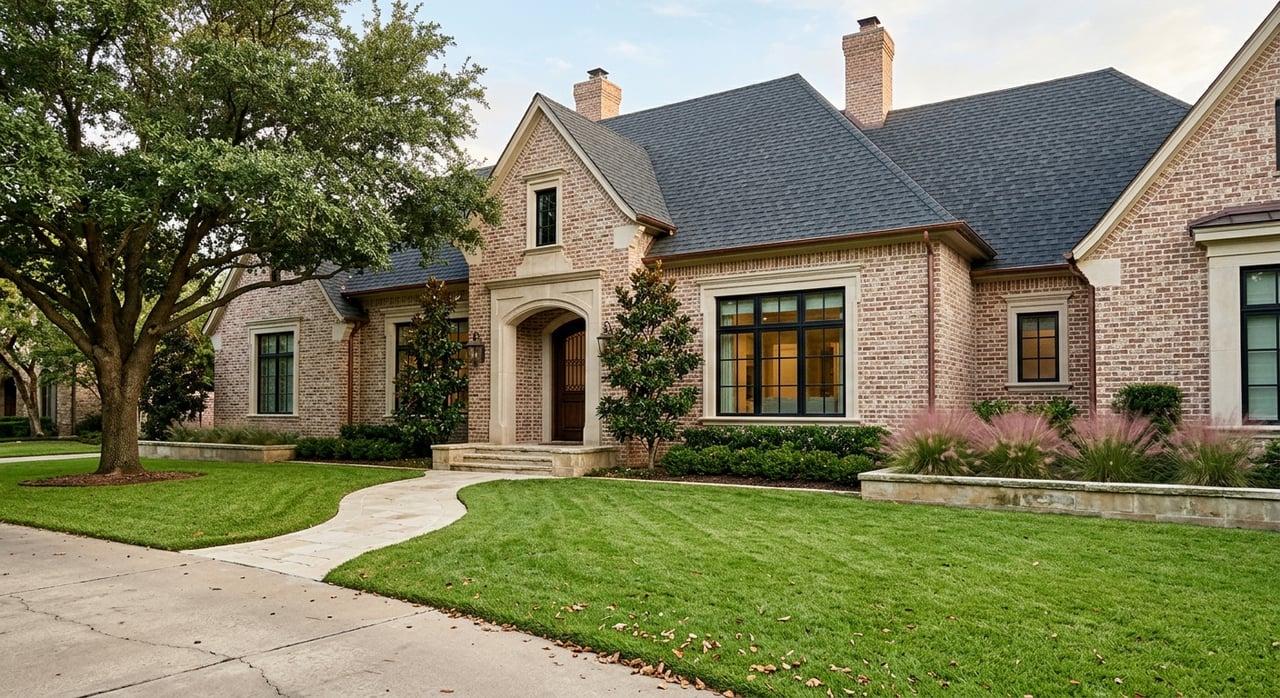
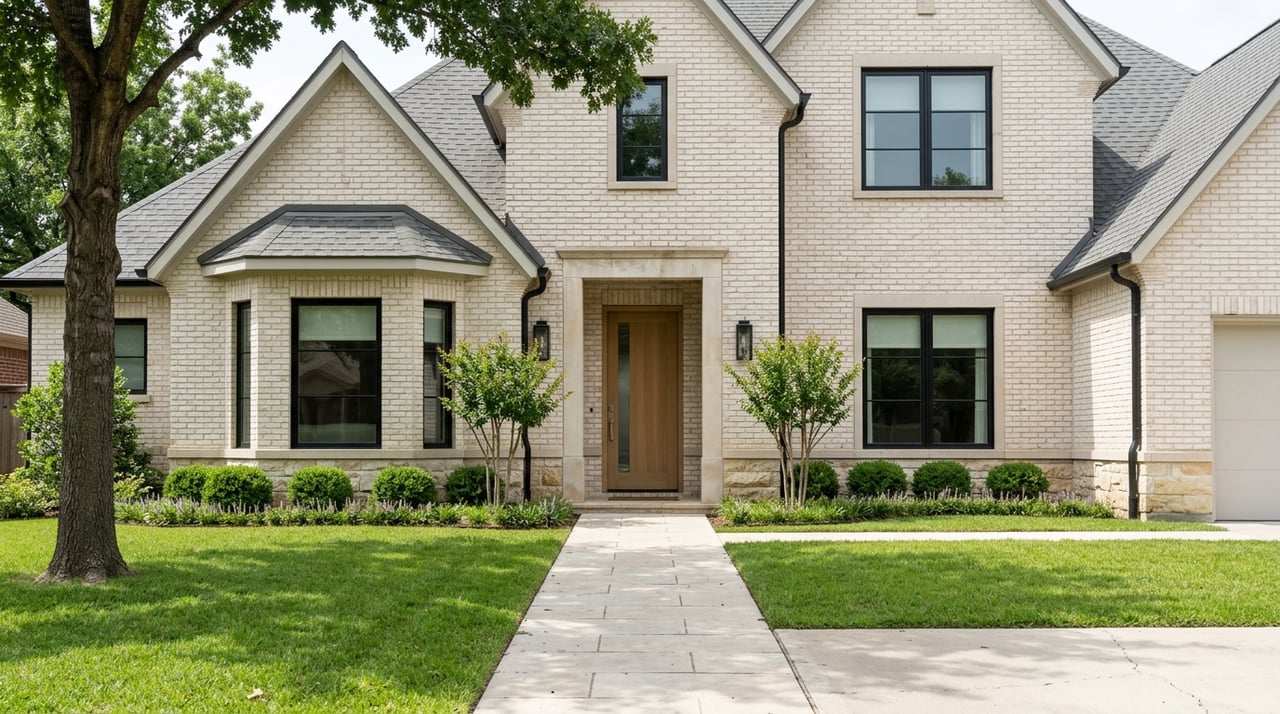
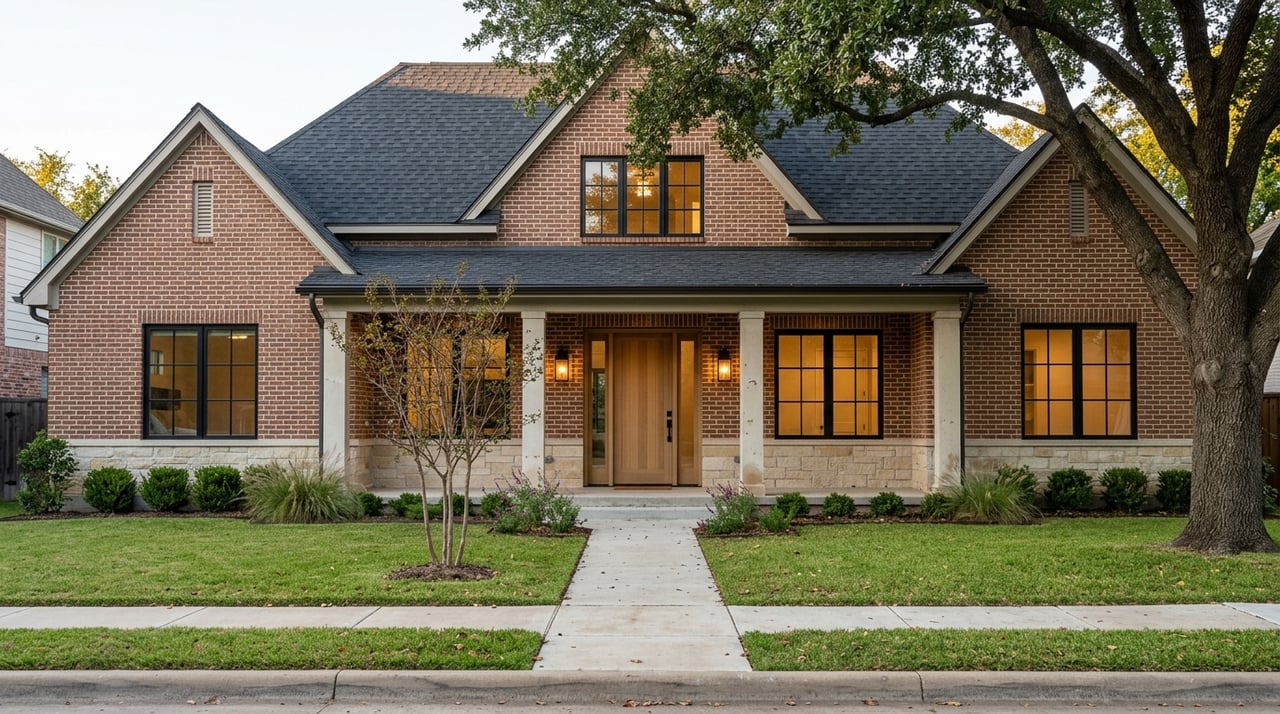
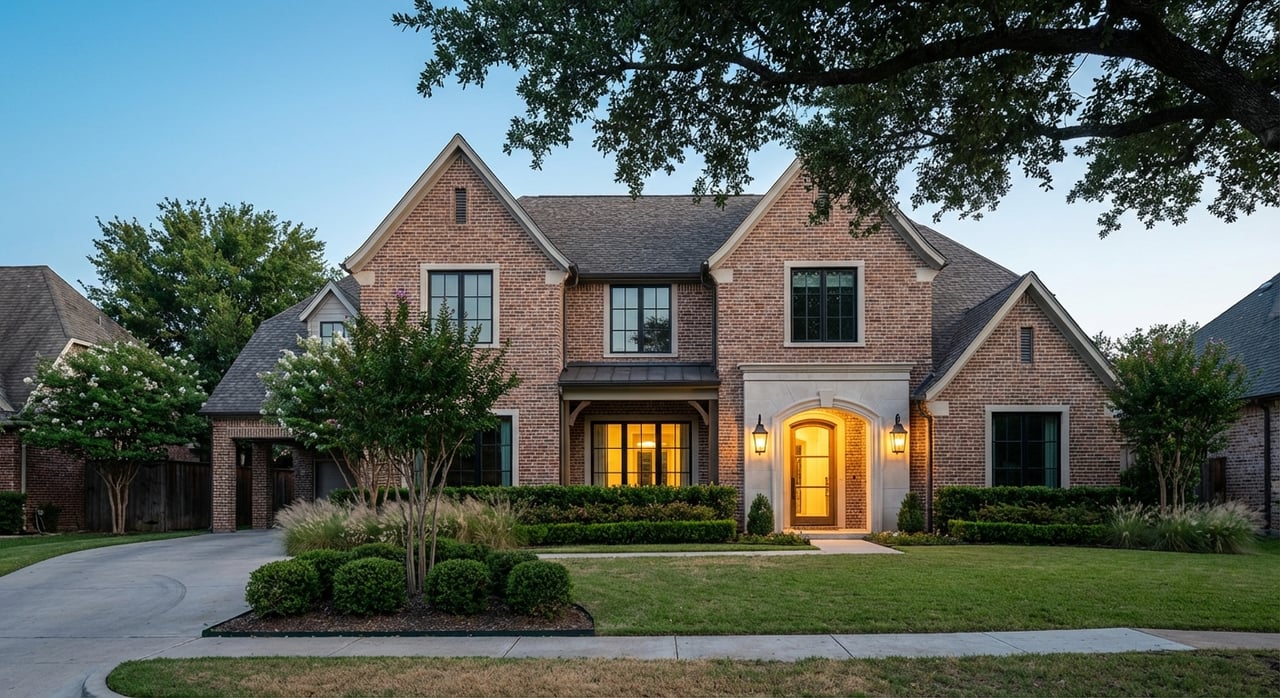
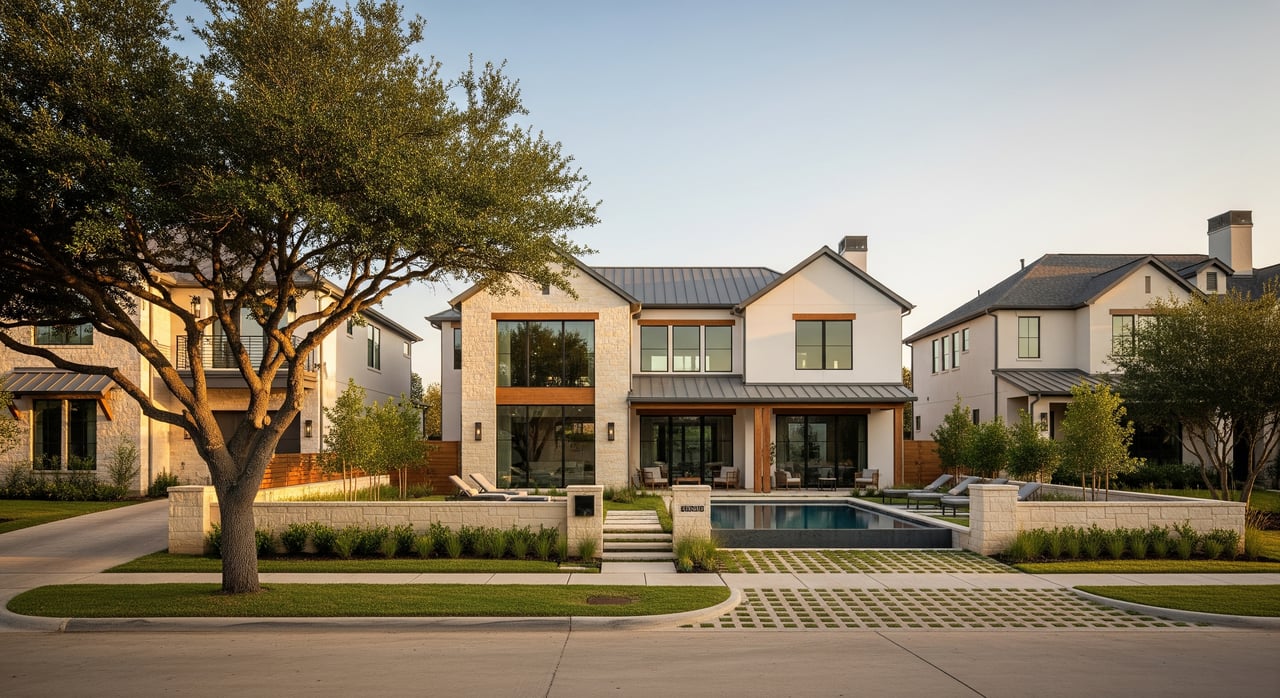
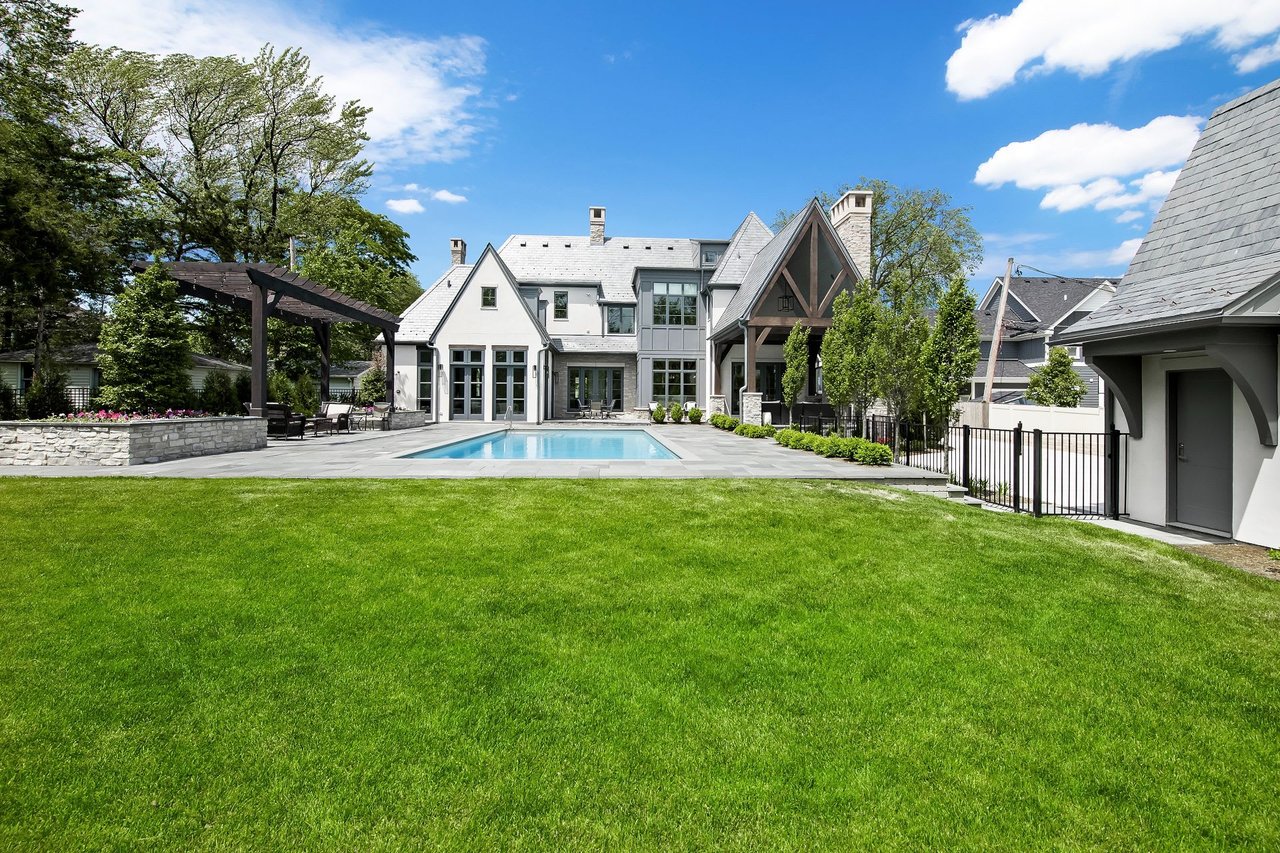
That math explains why the priciest streets in town don't track square footage the way a normal suburban comp sheet would suggest. Beverly Drive and Lakeside Drive represent the top of the market, with estates on half-acre to acre-plus lots trading from $5 million into the $25 million range and above. The architecture spans original 1920s and 1930s Tudor and Georgian estates alongside contemporary rebuilds from firms like Stocker Hoesterey Montenegro, Richard Drummond Davis, and Bodron+Fruit. On these blocks, the house is often a placeholder for what the lot can become, and the sale price reflects that.
Two recent sales make the mechanism concrete. In March 2026, a new-construction home at 3648 Stratford Avenue, built by Robert Elliott Custom Homes on a lot that once belonged to the late president of Dallas-Fort Worth's NBC affiliate, listed at roughly $16.5 million and briefly became the priciest active listing in the entire Dallas-Fort Worth area. The listing agent noted that homes on that stretch of Stratford sit further back from the street than most Highland Park blocks, giving the row an estate-like presence that supports the price. A single sale like that, closing inside a thin monthly pool, is enough to reset whatever median a portal reports that month.
The second example shows the opposite pressure. A 20,500 square foot estate at 3711 Lexington Avenue, listed at $29.9 million, sat on the market for more than a year before its owners moved it to a Concierge Auctions sale in July 2026, with initial bids estimated between $7 million and $15 million. A home that size, listed that high, sitting unsold for over a year, then finally trading at auction, will drag both the average list price and the days-on-market figure in directions that have nothing to do with the broader market's health and everything to do with one property's unusual path to close.
Highland Park versus University Park: same district, different math
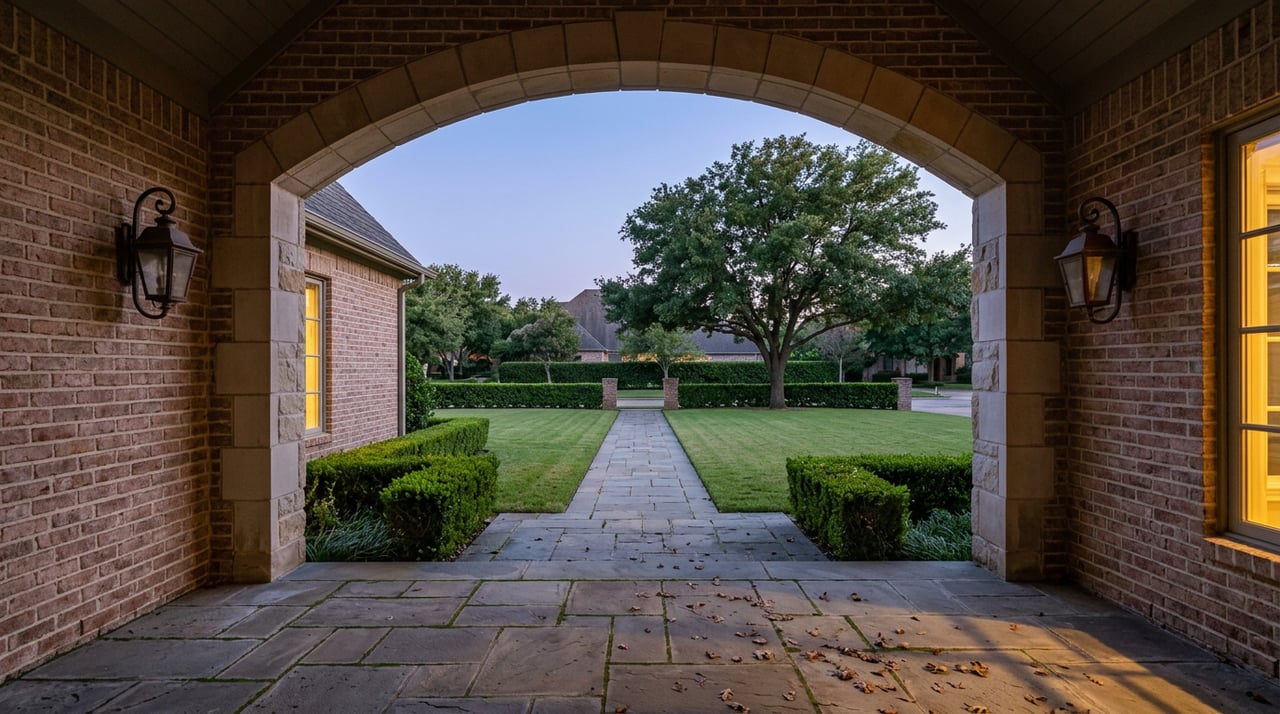
Buyers comparing Highland Park to its neighbor University Park often assume the town line marks a clean price break. It doesn't. Both towns sit inside Highland Park Independent School District, both are separately incorporated with their own police departments, and both trade on the same walkable, tree-lined layout. What actually separates them is lot size and housing stock, not municipal boundary.
University Park's numbers in 2026 read as more accessible on paper. The average home price there runs around $3.29 million as of July 2026, with a median sale near $2.995 million in June and roughly $704 per square foot. Homes there were selling in about 23 days over the three months ending in May, down from 41 days the year before, a tighter and faster-moving market than Highland Park's own trailing figures suggest. Unlike Highland Park, University Park does not maintain an architectural review board, though standard building codes and setback requirements still apply, which changes the rebuild calculus for anyone eyeing a lot there.
The more useful comparison for a buyer isn't Highland Park's median against University Park's median. It's block against block. A 55-by-195 lot on Beverly Drive and a similarly sized lot two streets over in University Park can carry very different price tags depending on school zone assignment within HPISD, proximity to Turtle Creek, and whether the existing structure has renovation value or is a straight land play.
What this means if you're timing a move
Two practical points follow from all of this. First, if you're watching Highland Park's median price to decide whether now is a good moment to buy or list, you're reading a number that mostly reflects which dozen houses happened to close, not where values are heading. A better read comes from tracking your specific block or enclave over six to twelve months, not the town-wide monthly print.
Second, Texas changed the mechanics of house-hunting itself this year. Under SB 1968, effective January 2026, buyers must sign a written buyer representation agreement before an agent can show them a property, a requirement that applies at every price point including Highland Park's upper tier. If you're planning to tour homes on Beverly Drive or anywhere else in the Park Cities this fall, that conversation with an agent now has to happen before the first showing, not after.
A few common questions
Why do two portals show such different price ranges for the same address search? Different vendors pull from different closing windows and weight active listings against closed sales differently. In a market with only a handful of monthly closings, that methodology gap produces genuinely different numbers, not just rounding differences.
Does University Park see the same teardown activity as Highland Park? Rebuild activity happens in both towns, but University Park's lack of an architectural review board means the approval path differs. Buyers considering a rebuild should confirm the current permitting requirements with the relevant building department before assuming Highland Park's rules apply next door.
Is a long days-on-market figure a sign of a soft market? Not necessarily at this price tier. A single $20 million-plus estate that sits for over a year before finally selling can push a town-wide median days-on-market figure up sharply, even while smaller and mid-tier homes in the same town are moving in a couple of weeks.
If you're weighing a move into the Park Cities or trying to make sense of what your own Highland Park or University Park home is actually worth against this year's noisy headline numbers, Pickard Real Estate Group can walk through the block-level comps that matter more than any single monthly median. Get Home Value to start the conversation.